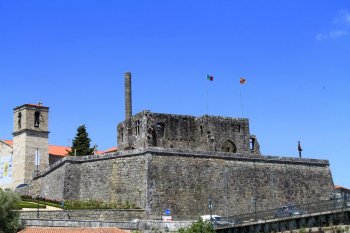
The Archaeological Museum was created in 1920 and exhibits granite artifacts ranging from Prehistory to the end of the Modern Era, including a menhir from Feitos/Palme, medieval sarcophagi, heraldic symbols, and Romanesque architectural elements from dismantled churches or monasteries, most notably the Cruzeiro do Senhor do Galo, the landmark of Barcelos.
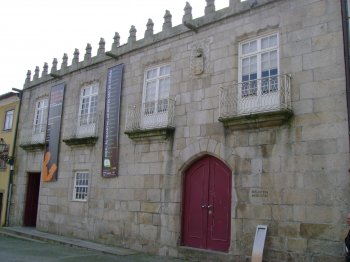
Created in 1963, this museum is the result of a donation of a valuable collection gathered by the ethnographer Joaquim Sellés Paes de Villas Boas. It began as the Regional Ceramics Museum and later became the Museum of Portuguese Popular Ceramics. However, when the pottery pieces formed a collection, it simply became the Pottery Museum. In this space you can appreciate more than 6600 pieces from various regions of the country, from Portuguese-speaking countries and some from abroad, divided into four main groups: black pottery, matte red pottery, glazed pottery and figurative pieces.
A privileged cultural and leisure space, with several diffrent areas, including a reading room for adults, a room for the children and the teens, an audiovisuals room and an auditorium.
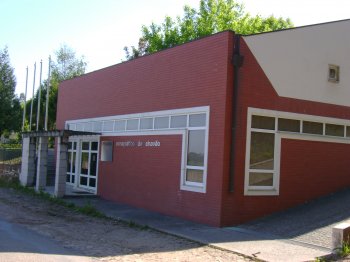
A museum composed of diverse archaeological and ethnographic materials that preserve the local identity. It divulges the millenary history of the parish.