Explore the best places
Heritage in Portugal


Museu da Fundação da Casa de Mateus
- heritage
Casa de Mateus, Vila Real
5000, Vila Real
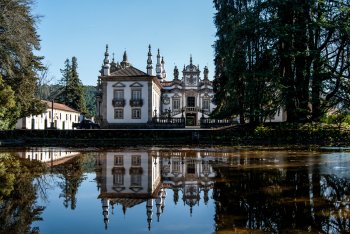
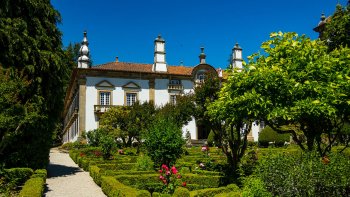
Built in the 18th century, with designs by Nicolau Nasoni, the Casa de Mateus is a landmark of Portuguese Baroque. The chapel, on the other hand, was designed by the master José Álvaro Rego. Established in 1970 by D. Francisco de Sousa Botelho de Albuquerque, its objectives are the preservation of the house, the study of its archives, and the promotion of cultural, scientific, and educational activities. The activities developed by this foundation are mainly linked to literature and music. The gardens found here are extremely well-preserved and of rare beauty. In the museum itself, you can see 2000 parchments …
Pelourinho de Vila Real
- heritage
Avenida Carvalho de Araújo
5000, Vila Real
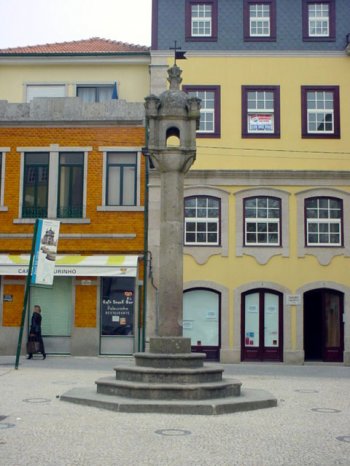
Set on a three-stepped pedestal, it consists of a base and an octagonal shaft. On top of this rests a four-sided base with arched windows. A calolithic dome with an iron cross and pennant.
Fragas de Panóias / Santuário de Panóias
- heritage
Lugar do Assento
5000-751, Assento
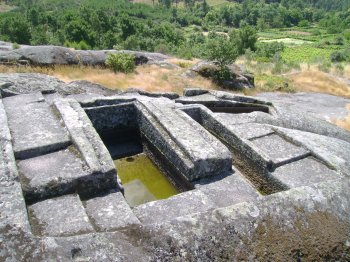
Roman rock sanctuary with four rocks in which tanks or basins are carved, as well as six rock inscriptions, which allude to the worship offered to various indigenous, oriental and Roman deities.
Igreja de São Domingos / Sé Catedral de Vila Real
- heritage
Avenida Carvalho de Araújo, 89
5000-657, Vila Real
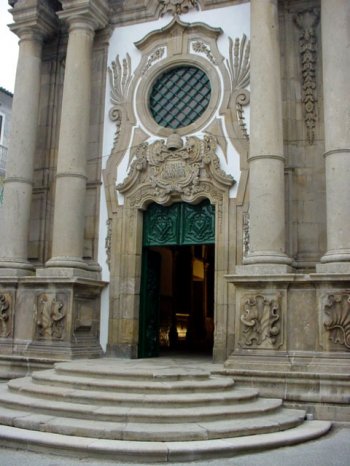
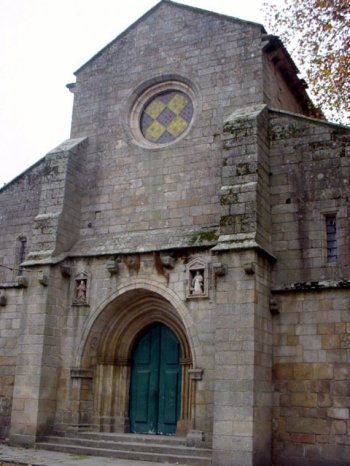
Characterized by Gothic features, this church has three naves divided on the facade by two buttresses. The portico is pointed with multiple archivolts, flanked by two niches with sculptures. The Baroque main altar is a highlight.
Capela de São Brás
- heritage
Largo dos Freitas
5000-651, Vila Real
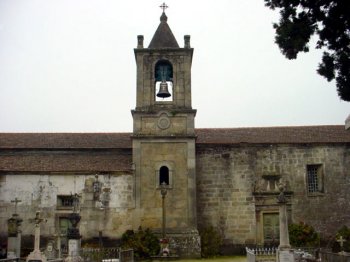
A Gothic-style chapel, whose interior has been transformed. It is believed that the famous warrior known as Espadeiro lies in one of the sarcophagi. The tomb features a sword between two half-moons, symbolizing Espadeiro's legendary bravery and the city's coat of arms. Currently, this chapel is attached to the Church of São Dinis.
Casa de Diogo Cão
- heritage
Rua Irmã Virtudes, 4
5000-651, Vila Real
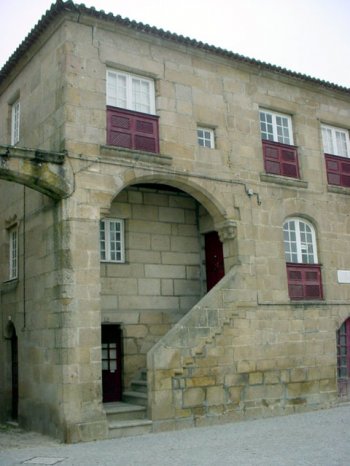
According to tradition, this is the birthplace of Diogo Cão, probably dating from the 15th century. It is a two-story building with an exterior stone staircase set under an arcade.
Museu de Arqueologia e Numismática de Vila Real
- heritage
Avenida 1º de Maio
5000-564, Vila Real
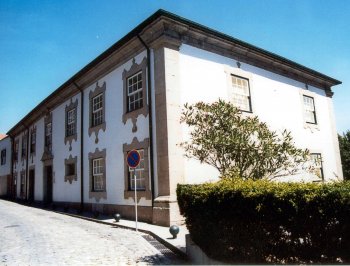
This 18th-century building was restored by the City Hall when it was in danger of collapsing, to house the ancient numismatic and archaeological collections of Father João Parente. Here you will find one of the largest numismatic collections, as well as other types of archaeological artifacts also collected by Father Parente. This space also has an educational service, complemented by an area for temporary exhibitions.
Torre de Quintela
- heritage
Quintela
5000-773, Vila Real
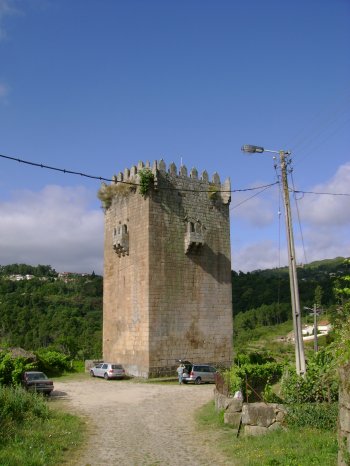
A square-plan manor tower, accessed through a high portal with a semicircular arch and facades pierced by narrow windows. In the 14th century, balcony windows and corner watchtowers set in machicolations were added.
Palácio e Quinta de Mateus
- heritage
Largo Morgados de Mateus
5000-291, Vila Real
Located three kilometers from the city center, this palace is situated within a large estate. Built in the mid-18th century, it is attributed by some authors to the architect Nicolau Nasoni, mainly due to the exuberant Baroque style of its main facade. It is one of the few noble palaces that has remained in the possession of the original family to this day. Part of the house is open to the public through guided tours, presenting itself as an authentic house museum. During the visit, one can explore the main hall, the library (with a copy of the first edition …
Igreja dos Clérigos
- heritage
Rua dos Combatentes da Grande Guerra
5000-635, Vila Real
This is an elegant temple with an imposing facade. It is the true landmark of the city, worth visiting to appreciate the tile panels depicting the lives of Saint Peter and Saint Paul and the Renaissance altarpiece.