Explore the best places
Monuments in Cuba


Ponte sobre o Barranco da Formiga
- heritage
Albergaria dos Fusos
7940-411, Albergaria dos Fusos
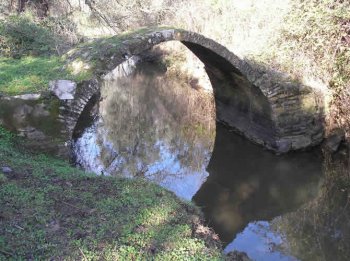
Brick bridge, with a broken arch and medieval features, located north of the Chapel of Nossa Senhora do Outeiro.
Rossio da Bica
- heritage
Largo da Esperança
7940-112, Cuba
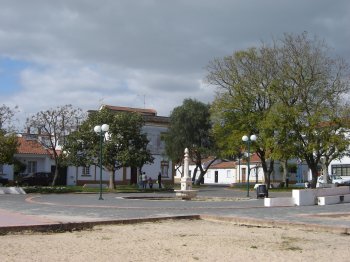
This square was built by the mayor of Cuba, Constantino Taborda Morais, in 1923. In the center is a spout of regional and popular character that ends in an acorn, a very typical symbol of the Alentejo.
Eco Palacete Borralho Relógio
- heritage
Rua Doutor João de Almeida Tojeiro, 6
7940-122, Cuba
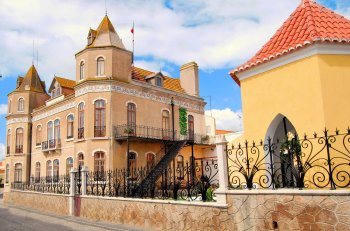
This private home, with nearly 140 years of history, dates back to the 19th century. Renovated in 2015, it offers all the amenities for exclusive and traditional events. Guided tours are also available by appointment, allowing you to see the rich Art Nouveau elements, a reflection of the Belle Époque, such as faux stucco, wrought iron, and tile.
Igreja de Nossa Senhora da Visitação
- heritage
Rua da República
7940-374, Vila Alva
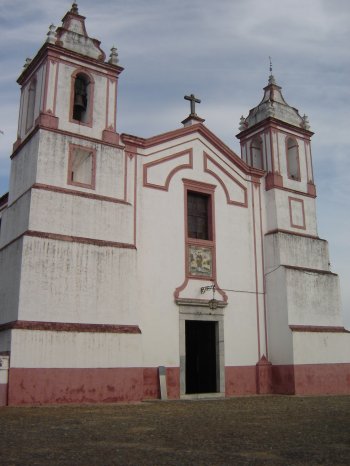
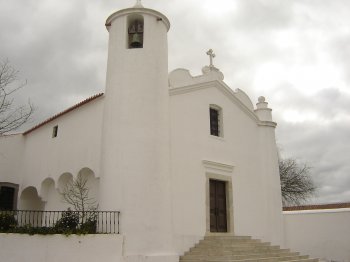
A medium-sized church of popular character, with two asymmetrical cylindrical towers, one a bell tower and the other crowned by a spire. The interior features a barrel vault marked by formwork arches. The classification refers to the carved altarpiece and the "carpet" tiles that line the interior.
Igreja de Nossa Senhora da Encarnação
- heritage
Largo Nossa Senhora da Encarnação
7940-452, Vila Ruiva
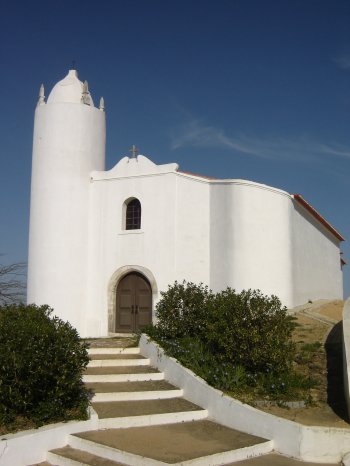
A Manueline temple whose interior is notable for its frescoes, of popular style and from various periods (from the 16th to the 18th centuries). The coats of arms of Dom Rodrigo de Melo, the 1st Count of Tentúgal, and the Marquis of Ferreira are still preserved in the vaults of the nave and the chancel. Also, noteworthy is the painted image of Saint Catherine of Alexandria.
Ponte Romana sobre a Ribeira de Odivelas
- heritage
EN1004-1
7940, Vila Ruiva
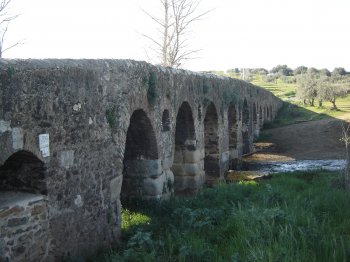
A Roman bridge composed of 26 arches spaced by round eyebolts. Although the bridge dates back to Roman times, it is believed to have undergone reconstructions by the Visigoths and Arabs. The oldest ones trace its origins to the Moorish King Iscar, one of the Arab chieftains defeated by King Afonso Henriques at the Battle of Ourique. It is a Cuban landmark as it is the town's only National Monument.
Igreja Nossa Senhora do Outeiro
- heritage
Albergaria dos Fusos
7940-411, Vila Ruiva
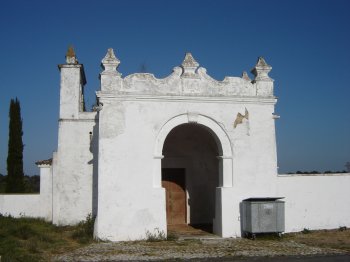
The appearance of the sepulchral stelae discoides in the grounds next to the Church assumes the existence of a medieval cemetery at the site. The legend says that every first Fridays of March the image of Nossa senhora do Outeiro cried and was sweating so much that the oil your lamp instead of decreasing, increased.
Igreja São Sebastião
- heritage
Rua do Norte
7940-148, Cuba
The Church was founded in 1654, and was the eighth to be built in the village and that has replaced another which existed in that same place. Inside, the altar is marbled wood, where you will find the 18th century image of St. Sebastian in wood.
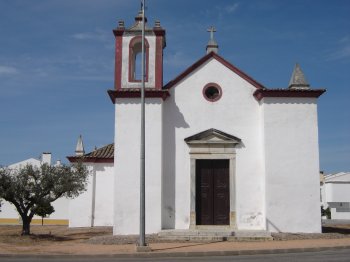
Igreja de São Sebastião
- heritage
Vila Ruiva
7940, Vila Ruiva
Chapel of a single nave and chancel, characteristic of the region. Emphasis on the vault of the chancel which is considered as a dome. To mention, still, the murals and the bas-relief in stone of San Sebastian.
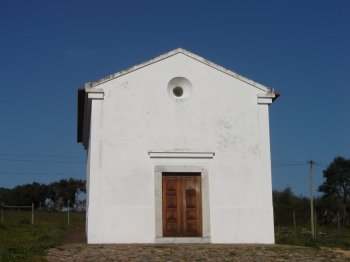
Igreja de São Vicente / Igreja Matriz de Cuba
- heritage
Largo 5 de Outubro
7940-192, Cuba
The church has a façade flanked by bell ringer towers, triangular gables, the nave is in vault shape and the main chapel is covered by a dome. The inside has a rectangular plan and it is covered with glazed tiles panels within the type “carpet”. The baptismal chapel is wrapped with the same glazed tiles used on the church nave body.