Explore the best places


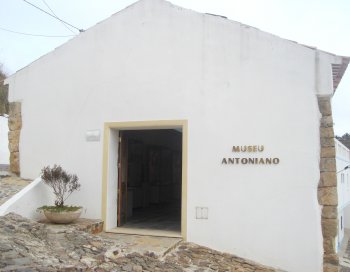
Museu Antoniano
- heritage
Rua de Santo António
8670, Aljezur
Housed in the Santo Antônio chapel in the historic area of the village of Aljezur since 1995, the museum features pieces donated by various government agencies and private individuals. Highlights include paintings, antique prints, books, coins, medals, and prints.
Miradouro de Monte Clérigo
- country
- leisure
Monte Clérigo
8670, Aljezur
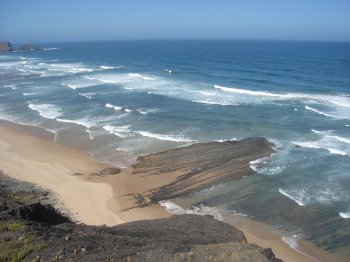
The Monte Clérigo Viewpoint offers panoramic views of the ocean and the stunning local beach, surrounded by an unusual and curious area of dunes.
Miradouro de Arrifana
- country
- leisure
Arrifana
8670, Aljezur
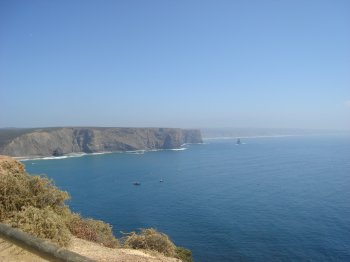
The Arrifana Viewpoint, located in the heart of the Costa Vicentina, high on a cliff, offers a splendid panoramic view of the ocean and Pedra da Agulha.
Ruínas da Fortaleza de Arrifana
- heritage
Arrifana
8670-156, Aljezur
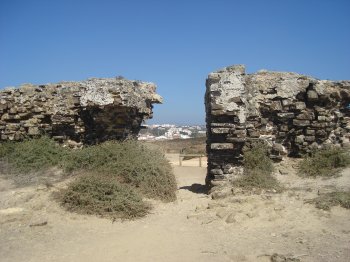
From this natural viewpoint, you'll enjoy one of the most beautiful panoramic views of the Costa Vicentina. It was built in 1635 during the reign of Philip III to protect fishermen. Rebuilt in 1670, it was hit by the great earthquake in 1755, leaving it severely damaged.
Igreja de Nossa Senhora de Alva / Igreja Matriz de Aljezur
- heritage
Rua da Igreja
8670, Aljezur
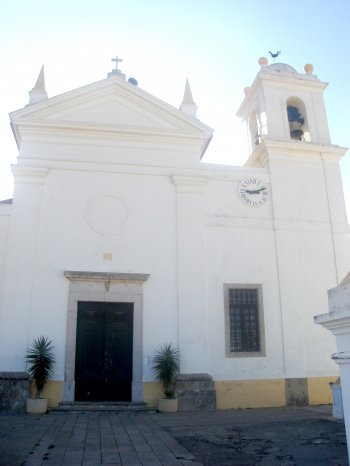
The Church of Our Lady of Dawn, or New Church, as it is also known, was built in the late 18th century. Its façade consists of three panels, and the interior, with three naves, features a ceiling decorated with a large carved wooden star. Also, noteworthy is the altarpiece in the main chapel, in neoclassical carving (1809), which features the image of Our Lady of Dawn, patron saint of Aljezur.
Moinho de Odeceixe
- heritage
Rua dos Moinhos
8670, Odeceixe
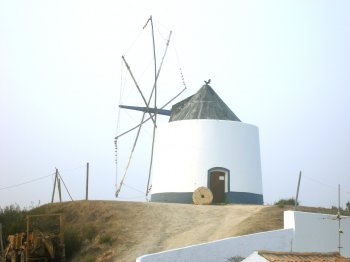
The Odeceixe Mill is a landmark of the local landscape, still in operation, where you can witness the artisanal process of grain milling. From here, you can enjoy a stunning panoramic view.
Igreja da Misericórdia de Aljezur
- heritage
Largo Rainha Dona Leonor
8670-079, Aljezur
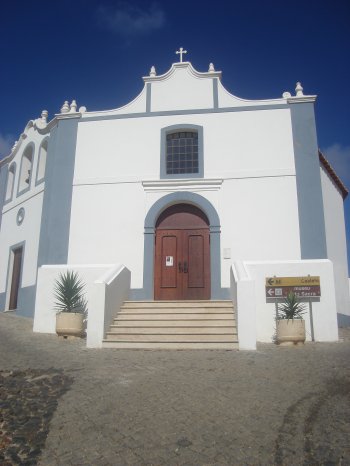
A 16th-century church, rebuilt in the 18th century after the 1755 earthquake. It features a Renaissance portal, and its interior is extremely simple, with a single nave and a triumphal arch. The altarpiece in the main chapel, a polychrome woodwork decorated with gilded Baroque carvings, is noteworthy. One of the church's wings currently houses the Monsenhor Manuel Francisco Pardal Museum of Sacred Art.
Castelo de Aljezur
- heritage
Rua Dom Paio Pires Correia
8670-156, Cerro do Castelo
Built on a hill overlooking the river, human occupation of this area dates back to the Iron Age. It allowed control of the river port that connected it to the sea and protected the population from enemy attacks. A vast walled area, two towers reinforce its defenses. From its walls, one can see the plain and the series of hills leading to Monte Clérigo beach.
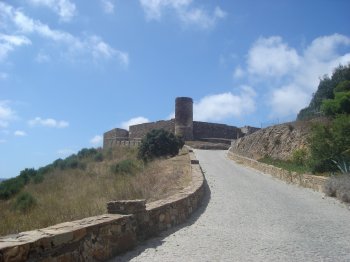
Praia de Monte Clérigo
- beach
Praia de Monte Clérigo
8670, Aljezur
A quiet beach with a curious jagged coastline. It's protected on the north side by a cliff, and on the south by the houses that make up this fishing village, which, in the summer, becomes a popular tourist destination. It has a restaurant serving traditional dishes, mainly fish and seafood. This beach is part of the Accessible Beaches network, offering all the necessary equipment for swimmers with reduced mobility.
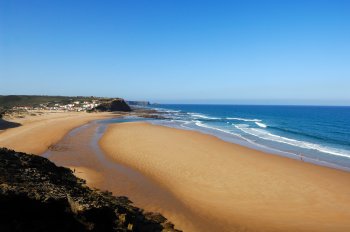
Praia de Odeceixe
- beach
Praia de Odeceixe
8670-320, Odeceixe
A beach located in a fishing village, nestled in a small valley with a paradisiacal landscape. Nestled between cliffs, it is bisected by the Ceixe River, which separates the Alentejo from the Algarve. Barriers were built in the sand to try to secure the dunes. The water is cold and choppy, but offers excellent conditions for surfing and canoeing. There are a few restaurants serving traditional dishes. A stroll through downtown Odeceixe, a trip on the tourist train, or a stop at the Ponte Branca viewpoint are recommended.