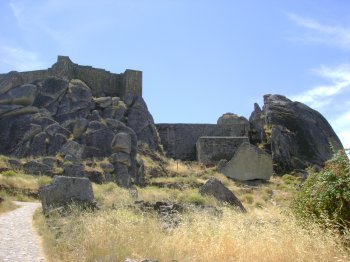
Explore the best places


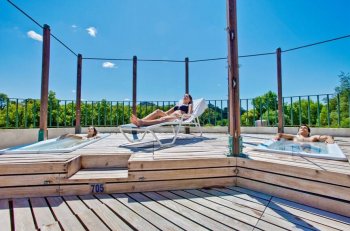
Termas de Monfortinho
- beach
- leisure
Rua Doutor José Gardete Martins, 6
6060-072, Monfortinho
The Monfortinho Thermal Baths have been known since Roman times, thanks to the purity and therapeutic properties of the waters from the Serra de Penha Garcia springs, which are recommended for dermatological conditions and disorders of the digestive, circulatory, respiratory, and psychosomatic systems. Recently renovated, the thermal baths offer a range of personalized treatments, in addition to a gym, solarium, and physiotherapy pool.
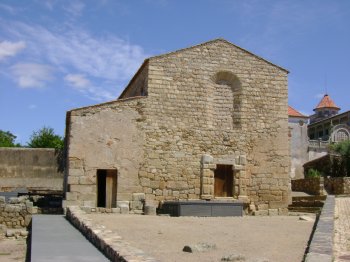
Sé Catedral de Idanha-a-Nova
- heritage
Rua da Sé, 7
6060-041, Idanha-a-Nova
Cathedral with remains from the 6th and 7th centuries, including the baptistery and the Bishop's Palace. It stands on the ruins of the Roman city, headquarters of the Civitas Igaeditanorum. It has three naves, one of which is truncated, and a side chapel with a mural depicting Saint Bartholomew with the devil chained at his feet. Highlights include the Chapel of Our Lady of the Rosary, with a shell roof and a sgraffito on the wall, dated 1593, decorated with geometric, zoomorphic, cruciform, and angel-head motifs.
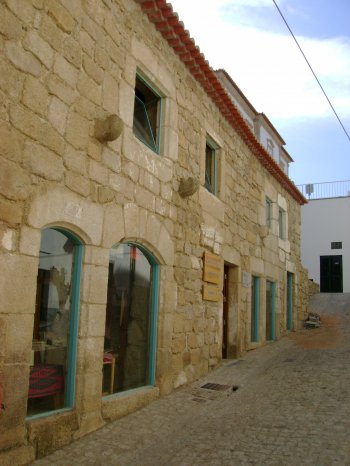
Centro de Artes Tradicionais
- leisure
Rua de São Pedro, 17
6060-111, Idanha-a-Nova
Craftsmen work here daily, demonstrating their skills in person, with particular emphasis on the manufacture of tambourines, pottery, carpentry and weaving.
Parque Icnológico de Penha Garcia
- country
Penha Garcia
6060, Idanha-a-Nova
Here you can see rock formations containing fossils of prehistoric creatures, some over 480 million years old. This site is part of the "Fossil Trail" hiking trail.
Miradouro de Penha Garcia
- country
- leisure
Largo da Igreja
6060, Idanha-a-Nova
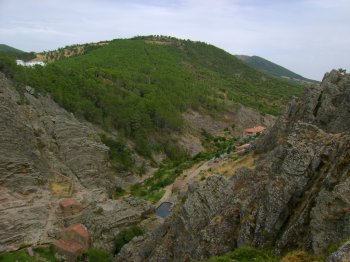
The Penha Garcia Lookout overlooks the towering cliffs that support the dam of the same name, whose reservoir can also be seen, featuring information panels. The views of the lush green hills and the river are magnificent.
Museu Epigráfico Egitaniense
- heritage
Rua do Lagar
6060-041, Idanha-a-Nova
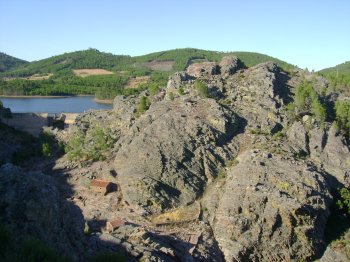
Idanha-a-Velha stands on the site of the glorious city of Egitânia, invaded and sacked countless times. Here we find vestiges of prehistory, the Celts, Roman Classicism, the Suevi, the Visigoths, the Arabs, the Portuguese Middle Ages, and buildings from the Manueline period. The Egitaniense Epigraphic Museum is housed in the town's cathedral, originally built on an early Christian temple and the first Visigothic cathedral built in the Iberian Peninsula. Inside, we can see the largest collection of Roman epigraphy in Europe ever found in a single location. Another part of this collection is part of the collections of the Tavares …
Idanha-a-Velha
- country
- heritage
Idanha-a-Velha
6060, Idanha-a-Nova
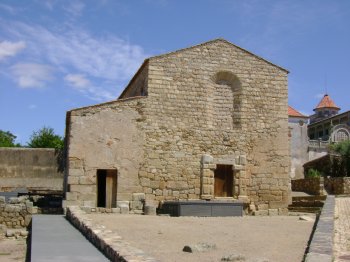
A small village located on the right bank of the Pônsul River, it is believed to have been the imposing city of Egitânia during the Visigothic period. Before the Visigoths, it is believed to have been inhabited by the Lusitanians and Romans. The Islamic invasion destroyed much of the remains of previous civilizations, although some monuments from the Roman era still survive (part of the walls, a semi-cylindrical tower, a large gate, remains of roads, and a bridge over the Pônsul River). From the Manueline period, one can appreciate the doors and windows, and even the Cathedral (which blends a …
Monsanto
- country
- heritage
Monsanto
6060, Idanha-a-Nova
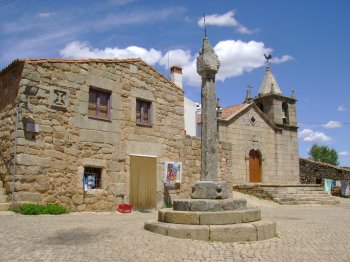
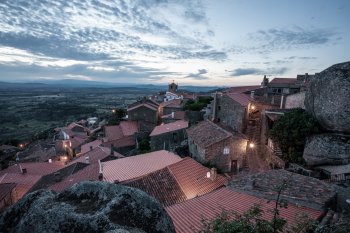
A small village located on the slopes of Cabeço de Monsanto, at an altitude of 758 meters, known as "the most Portuguese village in Portugal." Wild nature and human construction combine in a harmonious combination, resembling, from a distance, a stone fortress. The houses are "invaded" by enormous granite boulders that serve as floors, walls, and ceilings. A settlement of military origins, it was here that, according to legend, Viriato withstood a seven-year siege. Monsanto Castle was recaptured from the Arabs.
Conjunto Arquitetónico e Arqueológico de Idanha-a-Velha
- heritage
Largo da Igreja
6060, Idanha-a-Nova
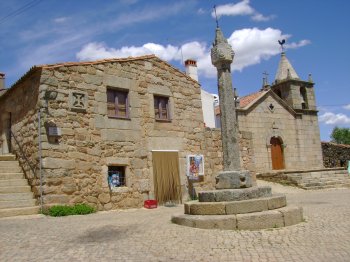
A fortified settlement bounded by oval walls, located on the right bank of the Pônsul River. Inside, the highlights include the old Cathedral/Main Church and the ruins of the Castle. Outside the walls, highlights include the Chapel of Saint Damasus, the Chapel of the Holy Spirit, and the bridge over the Pônsul River. The bridge dates from the 1st century, and the walls from the 3rd or 4th century.
Castelo e Muralhas de Monsanto
- heritage
Rua do Castelo, 32
6060-091, Idanha-a-Nova
According to legend, the foundation of this castle began with a hillfort that allowed Viriato's companions to withstand a seven-year siege. Later, it also withstood Arab, Castilian, and French attacks. It is located amidst a rocky outcrop, at a strategic lookout point. Dom Afonso Henriques granted it a charter in 1174 and donated it to the Templars, who built the castle. Of the imposing medieval fortress, only the quadrangular Torre de Lucena and Torre do Pião remain.