Restaurant inspired by the spirit of "Slow Food", serving only dinners with a menu inspired by traditional Portuguese cuisine and some vegetarian suggestions.
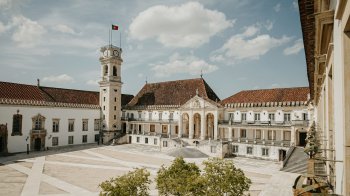
The university, founded in 1290, is one of the oldest in Europe. After alternating between Lisbon and Coimbra, it was definitively transferred to the city on the Mondego River in 1537, during the reign of King João III, establishing itself in the Royal Palace. The building became the property of the University in 1597, during the Philippine rule, and underwent several renovations over time. In 1772, the Marquis of Pombal gave new statutes to the University, and the Faculties of Mathematics and Philosophy were created, in addition to several Institutes. Notable features of the set include: the Iron Gate (the …
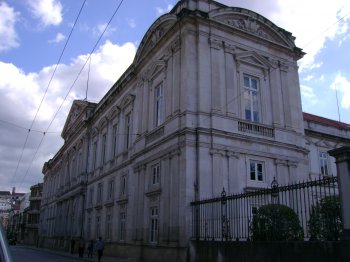
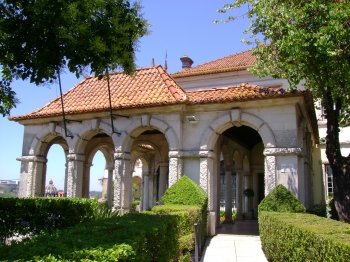
Former College of 16th-century Foundation, where he settled in the late 19th century, the Court of first and Second Instance. The building, with three floors, has as its centerpiece a cloister. Between 1549 and 1892, worked here the old Dominican College of St. Thomas. Between 1892 and 1927, suffered extensive remodeling, working as the residence of the Count of Ameal. From 1927 until the present day, offers legal services.
Há uma história interessante na origem da tradição deste doce regional de Coimbra. Quando as raparigas do povo juntamente com o noivo convidavam os familiares para o casamento, ofereciam uma travessa deste arroz-doce coberta com um pano tradicional bordado nos teares de Almalaguês. O presente de casamento era oferecido quando os noivos recolhiam a respetiva travessa.
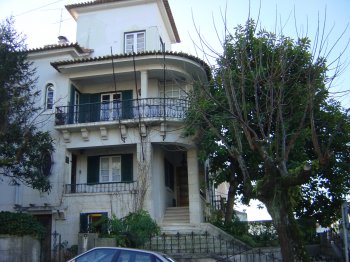
Este edifício é também conhecido, nomeadamente nos arquivos históricos, como Casa Doutor Ângelo da Fonseca. Inicialmente, funcionou como residência unifamiliar, mais tarde como residência do Governador e depois como Governo Civil do Distrito de Coimbra.