Explore the best places
Heritage in Portugal


Dólmen de Lamoso
- heritage
Rua do Dólmen
4590, Paços de Ferreira
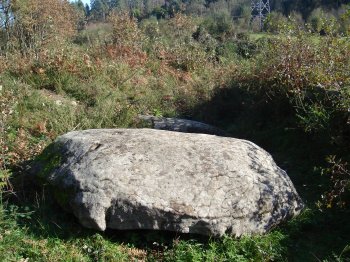
The Lamoso Dolmen is a corridor-type funerary dolmen, whose polygonal chamber is composed of upright stones supporting a fragmented structure. The earthen mound is intact. It is a large polygonal chamber mound composed of nine upright stones and a short corridor. A subtriangular figure is engraved on the upper part of the headstone.
Capela de São Francisco
- heritage
Largo de São Francisco
4590, Freamunde
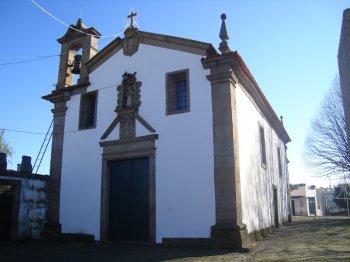
This set includes the chapel, a fence, and the Freamunde Hospice house. It's a 19th-century building, typical of the large confraternities of the time. The chapel is triangular, as is the chancel, which is carved and has two niches flanking a painting. This ensemble is Baroque, but the carving has Neoclassical characteristics. The main façade has a straight-lintel portal. The chapel, the hospice, and the fence form a triangular plot. It was built in 1737.
Mosteiro de Bande - Carmelo do Coração Imaculado de Maria
- heritage
Rua do Mosteiro - Quinta de Bande
4590-072, Paços de Ferreira
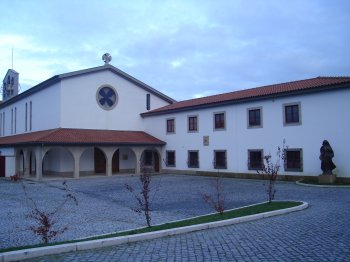
A monastic community consisting of about twenty Discalced Carmelite nuns. The Discalced Carmelite Nuns of the Order of the Virgin Mary of Mount Carmel follow in the footsteps of Eastern monasticism and are inspired by the Ancient Fathers of Mount Carmel, especially the Prophet Elijah and Elisha.
Museu Arqueológico da Citânia de Sanfins
- heritage
Rua da Igreja
4595-375, Sanfins de Ferreira
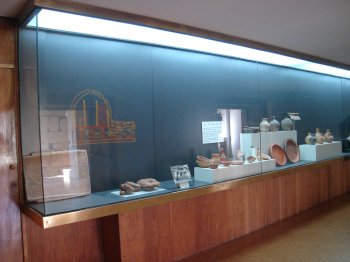
The Archaeological Museum of Citânia is located in the Solar dos Brandões. It is a space dedicated to archaeology and numismatics. The permanent exhibition showcases examples from the excavations of the Citânia de Sanfins and archaeological materials collected in the area of the municipality of Paços de Ferreira. The museum is recognized for its specialized research activities, educational support, scientific dissemination, and cultural outreach.
Museu Municipal do Móvel
- heritage
Praça Doutor Luís
4590-890, Paços de Ferreira
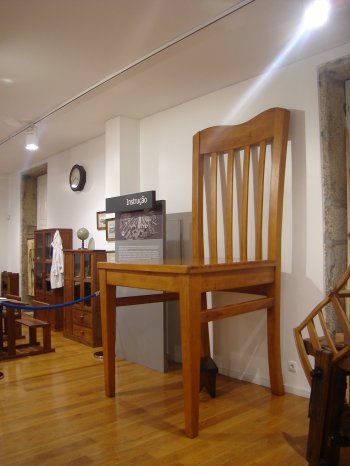
The purpose of the Municipal Museum is to establish itself as an interpretive center for the municipality of Paços de Ferreira, from its origins to the contemporary era. It has a strong component in the furniture sector, essentially school furniture. It also features woodworking tools and a giant chair made of wood to highlight this capital of furniture.
Citânia de Sanfins
- heritage
Rua da Citânia, 144
4595, Sanfins de Ferreira
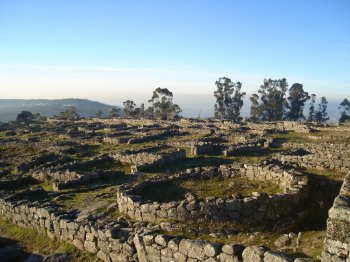
The Citânia de Sanfins emerged around the 1st century BC and extends over approximately 15 acres. A proto-historic fortified settlement, with a regular layout and buildings forming blocks, surrounded by three lines of walls. It shows evidence of occupation during Roman and medieval times. Of particular note is the discovery of a bathing monument and a necropolis composed of more than thirty burials.
Mosteiro de São Pedro de Ferreira
- heritage
Rua do Cruzeiro, 124
4590-827, Ferreira
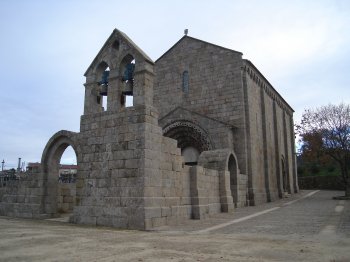
The monastery of Ferreira is a typical example of an ecclesiastical establishment of agrarian roots. It is a remarkable rural Romanesque construction dating from the last quarter of the 12th century. The facade is torn by a portal that is unparalleled in the Cathedral of Zamora. Its architectural ensemble is part the Church of S. Pedro de Ferreira, being your frame a single copy in the country. The interior is just one ship, with more than 15 meters in height. A monument of a unique beauty and a magnificent surrounding landscape.
Templo do Senhor Bom Jesus da Cruz
- heritage
Largo da Porta Nova
4750-329, Barcelos
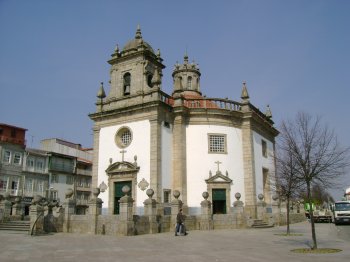
This Baroque church, inspired by Italian architecture, has an octagonal floor plan, with a bell tower crowning the projecting façade, finished with a balustrade and pinnacles. Inside, noteworthy features include Baroque carved altarpieces, 18th-century tiles, and eight canvas panels. This church is one of the most important examples of Baroque architecture in Barcelos.
Igreja e Torre de Manhente
- heritage
Rua Dom Afonso Henriques
4750-556, Manhente
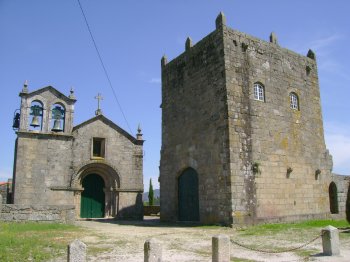
The Romanesque church features a portico with three decorated archivolts resting on six small columns with capitals. The tower is quadrangular and would have served as a defensive tower for the church.
Santuário do Bom Jesus de Cambeses
- heritage
Lugar da Igreja
4775-023, Cambeses
A long staircase leads up to Bom Jesus de Cambeses. From the top, you can enjoy a beautiful panoramic view.