Explore the best places
Heritage in Portugal


Igreja da Lapa
- heritage
Largo da Lapa
4970-434, Arcos de Valdevez
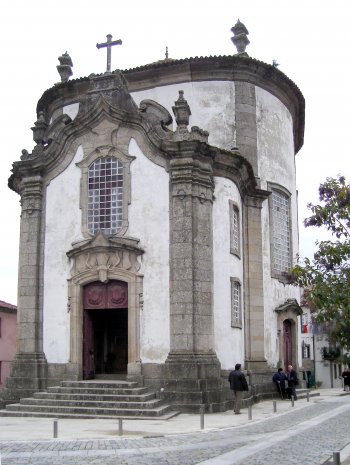
The uniqueness of this temple comes from the monumental height of the nave, with its slightly oval plan and walls, contrasting with the low, rectangular forms of the vestibule and chancel. The portal, topped by windows, is framed and sculpted. The gilded altarpieces and stucco work are particularly noteworthy.
Igreja da Misericórdia de Arcos de Valdevez
- heritage
Largo da Misericórdia
4970-438, Arcos de Valdevez
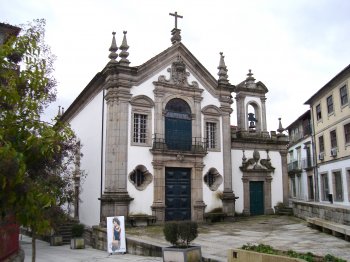
The temple, built in the 16th century, was rebuilt in the 18th century. Inside, a prominent image of Saint Anthony stands out, bearing an inscription alluding to the expulsion of Napoleon's troops.
Conjunto de Espigueiros do Soajo
- heritage
EM530
4970-651, Soajo
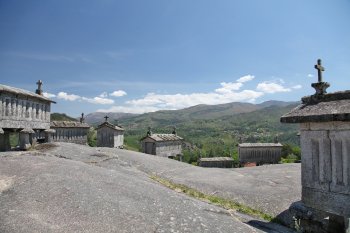
This is one of the largest concentrations of granaries in Portugal, all built of stone. In total, there are 24 granaries of the Galician-Minho type, the oldest dating from 1782. The sacred character given to the site is evident, due to the crosses on top of the granaries, which, according to local people, are for divine protection of what is stored there, often the only means of community survival.
Anta do Mezio
- heritage
EN202
4970-092, Soajo
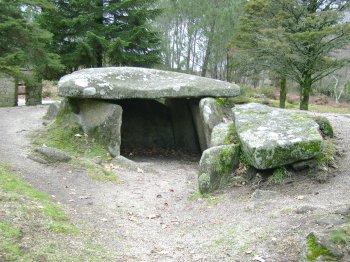
The Dolmen of Mezio is integrated into the set of megalithic monuments known to Antas da Serra do Soajo. This is an exemplary prehistoric funerary built about 5000 years.
Torre, Casa e Quinta de Aguiã
- heritage
Cardida
4970-034, Cardida
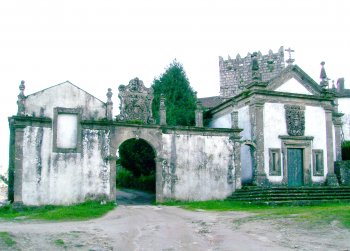
Baroque manor house consisting of a large central body with a double arcade and two symmetrical staircases that run perpendicular to the facade. Integrated into this building is a medieval tower, square in plan and crowned with battlements, placed in the center.
Capela de São João Baptista da Comenda
- heritage
EM523-4
4970-516, Carreira
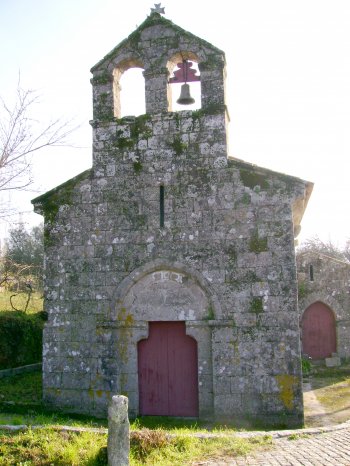
The temple features a facade topped by a bell tower with two windows. Of particular note are the capitals decorated with phytomorphic and zoomorphic elements, and the narrow windows with sculpted columns depicting the patron saints of the Order of Malta, Saint John the Baptist and Saint John the Evangelist.
Paço da Giela
- heritage
Paço de Giela
4970-765, Giela
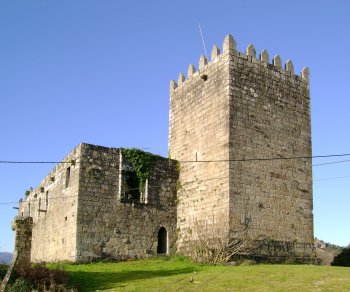
Fortified manor house, an example of medieval Portuguese stately dwellings. The 14th-century tower was attached to palatial buildings during the 16th century. The Manueline window is particularly noteworthy.
Torre de Grade ou Torre de Faro
- heritage
Rua de Mó, 101
4970-190, Grade
A 15th-century manor house whose facade features a tower pierced by a straight-lintel door, a balcony window, and another sash window above it, with a coat of arms below. The tower is crowned by chamfered merlons.
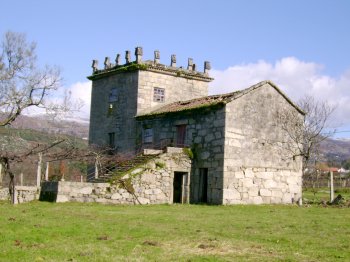
Mosteiro de Ermelo
- heritage
Ermelo
4970-140, Arcos de Valdevez
Despite its integration into the Cistercian Order, the life of this monastery was turbulent and short. During his visit in 1553, the Abbot of Clairvaux found it in a state of complete neglect and poverty, which is why it was secularized in 1560, becoming a parish church. What we see today in Ermelo is a beautiful Romanesque church adapted to the life of a small parish, first in the 16th century and again in the 18th century. Of the nave that stood to the south, only the beautiful triumphal arch remains, now open to the sky outside. The monastery's dependencies …
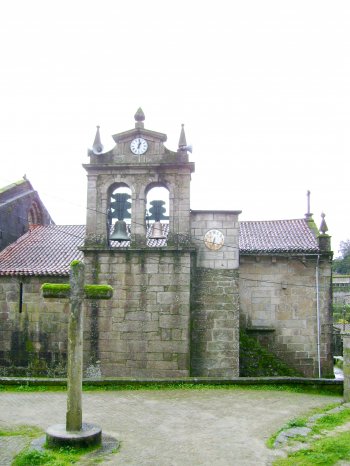
Centro Histórico de Arcos de Valdevez
- heritage
Arcos de Valdevez
4970, Arcos de Valdevez
As the name suggests, Arcos de Valdevez is located in the Vez river valley. Beyond the riverside area, bordered by Campo do Trasladário, one can wander through its typical narrow streets of the Minho region and appreciate the monumental architecture and beauty of the town.