Explore the best places
Heritage in Portugal


Pelourinho de Monsanto
- heritage
Largo da Misericórdia
6060-091, Idanha-a-Nova
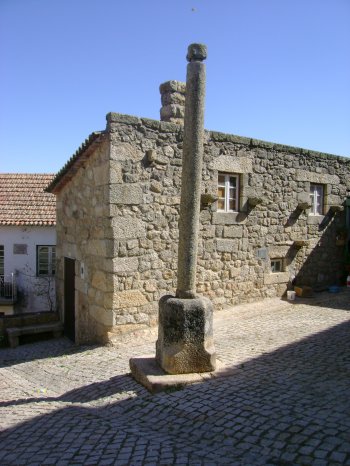
This pillory dates from the fifteen hundreds and it is composed by an octagonal base, with a column settled in a high base and on its top, there is a cylindrical piece round and decorated with spheres.
Ponte Romana sobre o Rio Erges
- heritage
ER355
6060-521, Idanha-a-Nova
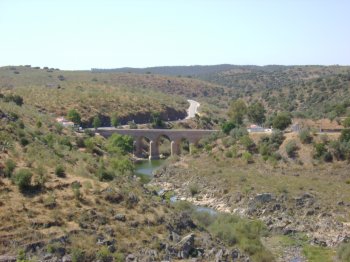
Bridge probably built during the Roman era, integrating the axis that connected Mérida to Viseu. After being damaged by floods from 1565, was reconstructed in 1573. In 1817 was again rebuilt, lasting construction to this day. Features five perfect round arches and a trestle on the tops.
Porta Falsa
- heritage
Rua do Castelo
6060-091, Idanha-a-Nova
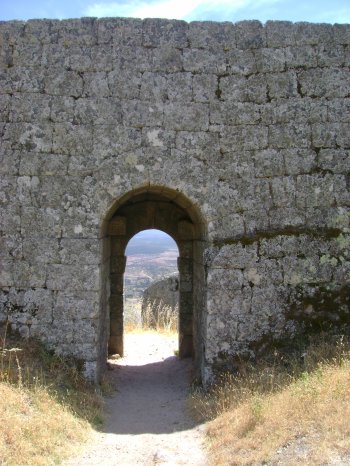
Door belonging to the Castle of Monsanto, to present a full arc. It is also known as Door of Treason.
Fonte do Ferreiro
- heritage
Rua da Fonte do Ferreiro
6060-091, Idanha-a-Nova
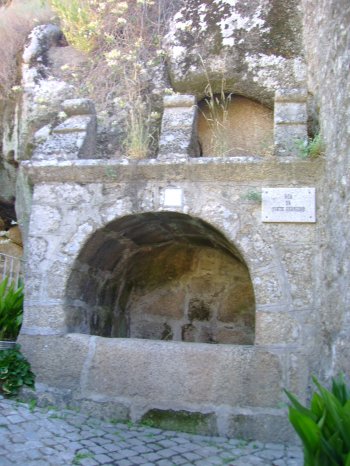
Diving fountain that is believed to have been built during the Roman era, consisting of a rectangular tank with round arch access and coverage in barrel vault down. It was renovated in the 13th century.
Ponte Romana de Oledo
- heritage
Oledo
6060-621, Idanha-a-Nova
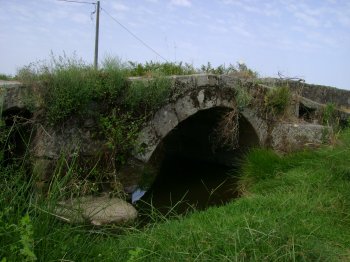
Bridge of Roman origin located on the Alpreade River.
Ponte Romana de Idanha-a-Velha
- heritage
Rua do Espírito Santo
6060-041, Idanha-a-Nova
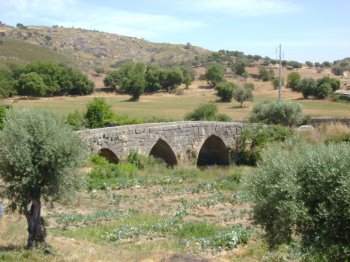
This bridge has Roman origins is located above Pônsul river and it is believed that it used to have integrated the road linking Mérida and Braga. It is settled above ogival arches and it has already suffered improvements throughout of the centuries.
Fonte do Rossio
- heritage
Rua do Rossio
6060-511, Idanha-a-Nova
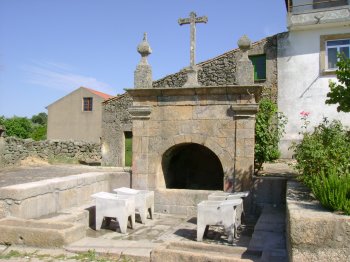
Diving fountain with two pilasters on the sides and on top, a large Latin cross.
Ponte de Proença-a-Velha
- heritage
EN239
6060-069, Idanha-a-Nova
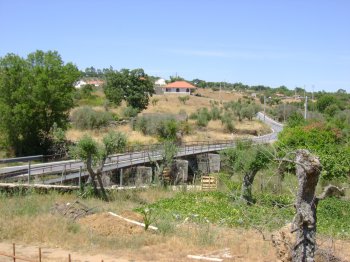
Bridge built in the 17th century, probably on a pre-existing bridge. It consists of a chessboard plan based on four perfect round arches, with pavement in asphalt and iron guards.
Fonte das Pias
- heritage
Ladoeiro
6060-249, Idanha-a-Nova
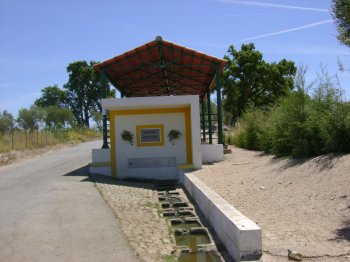
Source with one spout and without tank, with the sides and banks with suspended central wall vases.