Explore the best places
Heritage in Portugal


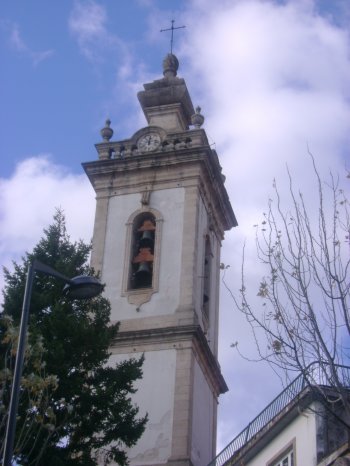
Igreja da Misericórdia da Covilhã
- heritage
Praça do Município
6200-151, Covilhã
Baroque church of longitudinal plant consisting of two juxtaposed rectangles, a tower of square plan and four Bell located near and a sacristy of rectangular plant located near. In the interior, especially the national style altarpiece in the chancel.
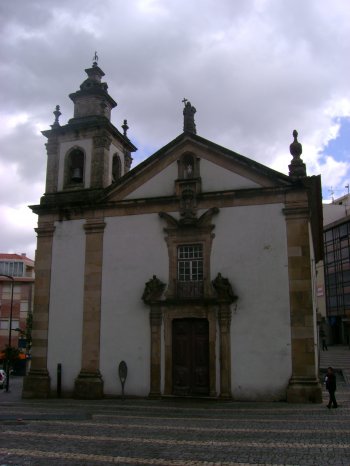
Igreja Matriz de Ferro / Igreja de São Sebastião
- heritage
Rua Doutor Carlos Coelho
6200-571, Covilhã
Church dating from the 17TH century, consisting of a nave and a chancel lower and narrow. In the interior, especially the altarpieces of gilt national style.
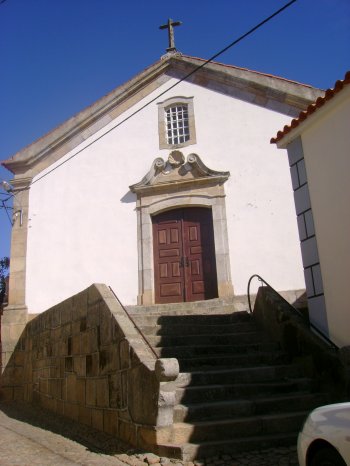
Igreja Matriz de Ourondo / Igreja de Nossa Senhora da Assunção
- heritage
Rua do Adro, 1
6230-900, Fundão
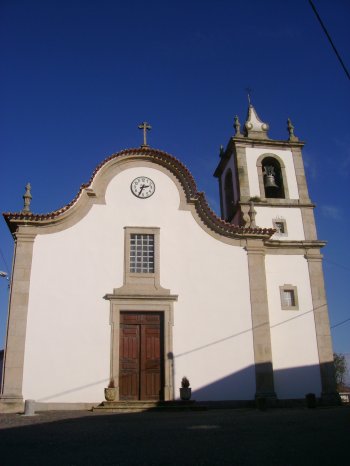
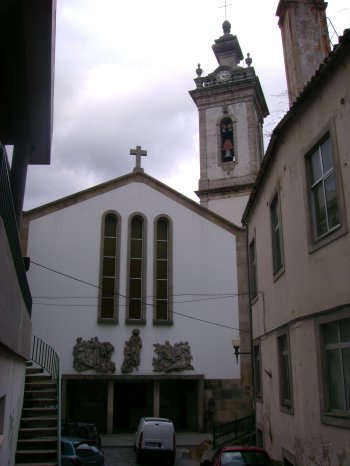
Igreja de São Tiago / Igreja do Sagrado Coração de Jesus
- heritage
Rua de São Tiago, 11
6200-142, Covilhã
Modernist Church of longitudinal plant, consisting of a nave, a chancel closer and low and a Bell Tower and an attachment adossados. It was built between 1875 and 1877 and, after being destroyed in a fire in 1942, was rebuilt and opened in 1952.
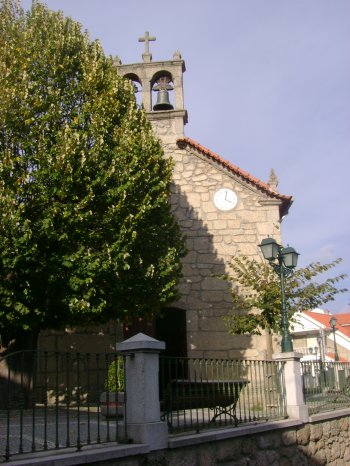
Igreja Matriz de Aldeia do Carvalho / Igreja de Nossa Senhora da Conceição
- heritage
Rua Direita
6200-405, Covilhã
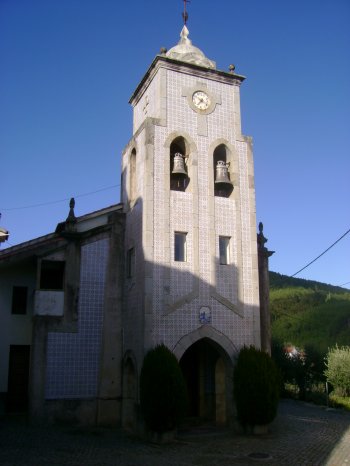
Igreja Matriz da Aldeia de São Francisco de Assis
- heritage
Rua Sargento António Alves Torgal
6225-016, Minas da Panasqueira
The early Church dated 1942, being the current church built in 1986.
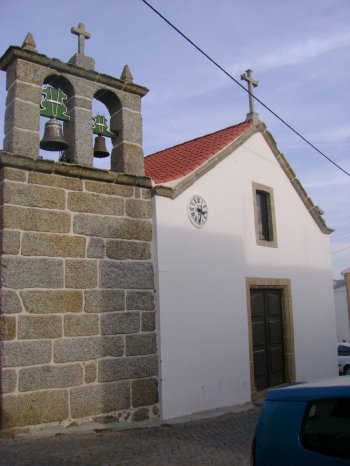
Igreja Matriz de Boidobra / Capela de São Sebastião
- heritage
Rua de Santo André
6200-259, Covilhã
Mannerist and Baroque church of longitudinal plant consisting of a nave, a chancel narrower and a sacristy and a Bell Tower adossados. In the interior, highlighted by an altarpiece of Mannerist structure, much changed from the old chapel of the Holy Spirit.
Santuário de Nossa Senhora das Dores
- heritage
Estrada do Santuário - EN343
6215-460, Unhais da Serra
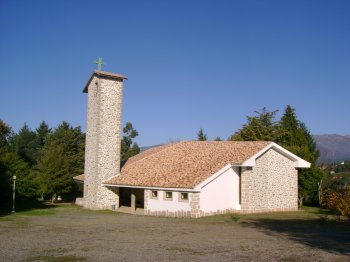
Santuário de Nossa Senhora do Carmo
- heritage
Rua Nossa Senhora do Carmo (EM 512)
6230-901, Ourondo
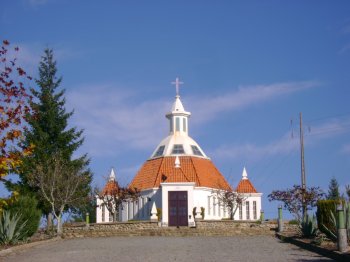
Torre de Santiago
- heritage
Rua de São Tiago, 11
6200-214, Covilhã
Clock tower built in 1613 by Gonzalo Sanches, along with the jail, the audience and the camera.