Explore the best places
Heritage in Portugal


Museu de Arte Popular Portuguesa
- heritage
Praça Marquês de Pombal
3100-440, Pombal
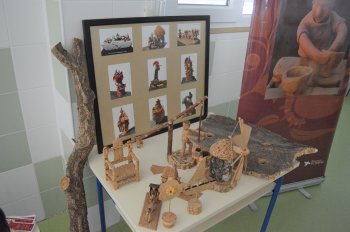
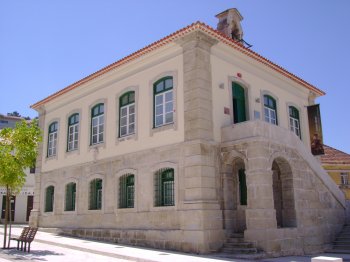
A museum located in the Pombal Cultural Center, featuring 2,000 handcrafted pieces from all over the country, showcasing Portuguese folk art.
Capela da Misericórdia do Louriçal
- heritage
Rua da Misericórdia
3105-165, Louriçal
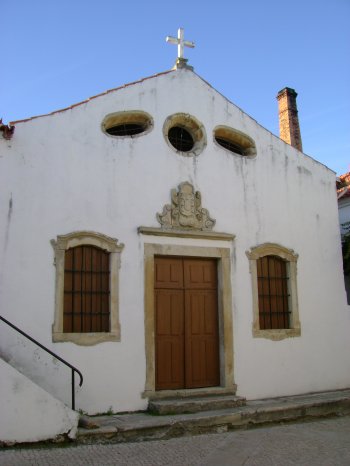
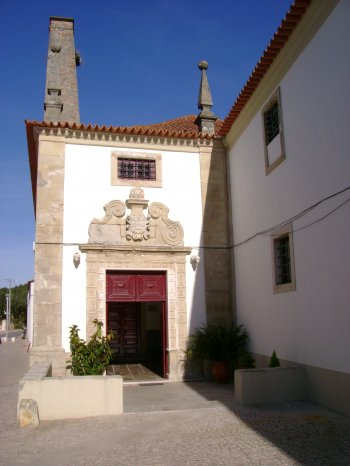
Chapel with a nave and an elevated chancel under the same roof. Of note is the fact that the tribune for the churchwardens connects the dispatch room to the nave, with the pulpit on the opposite side. The dispatch room features a covered balcony and an access staircase. The current building, with Manueline vestiges, dates from 1608.
Ermida de Nossa Senhora da Guia
- heritage
Avenida Nossa Senhora da Guia, 119
3105-089, Guia
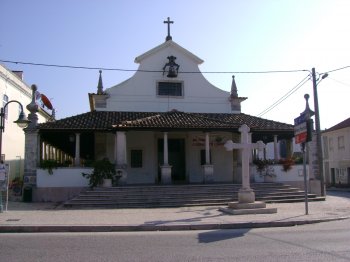
A church of Mannerist and Baroque architecture consisting of a nave, a chancel, and an attached sacristy. Inside, the highlight is the throne with an 18th-century image of Our Lady of Guia.
Palanque dos Duques de Aveiro
- heritage
Largo da Praça Velha
3100, Abiul
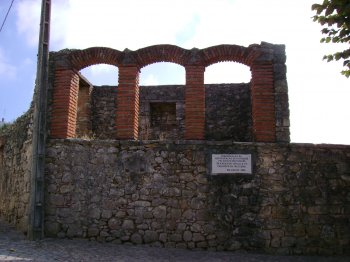
An open-air grandstand built of masonry and brick, where the Dukes of Aveiro sat when attending public performances. It is located in a cobbled square, near the Abiul oven.
Igreja Matriz de Nossa Senhora das Neves
- heritage
Largo Nossa Senhora das Neves
3100-012, Abiul
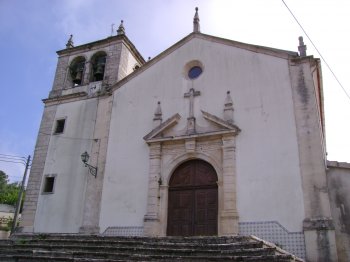
A church of Baroque religious architecture, with a single nave, main altar, sacristy, baptistery, and bell tower. The date of construction is unknown. However, it was rebuilt in 1515 and then again in the 18th century.
Casa Arte Nova
- heritage
Rua Almirante Reis, 44
3100-443, Pombal
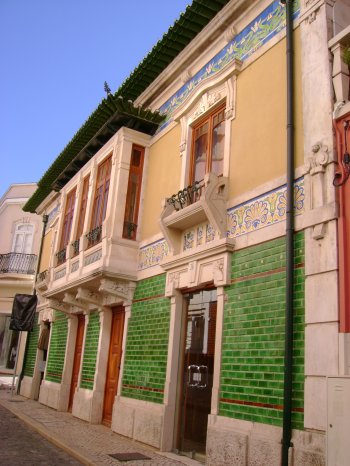
A building with shops on the ground floor, constructed in the 20th century. Its name comes from some decorative details characteristic of Art Nouveau. The architect responsible for this building was Ernesto Korrodi.
Ponte sobre o Rio Arunca
- heritage
Rua de Leiria
3100, Pombal
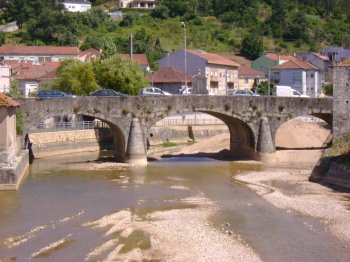
A bridge with three basket-handle arches, built between 1793 and 1795 for the passage of the Royal Road. It consists of three identical arches supported by pillars with semi-iconic cutwaters.
Museu Municipal Marquês de Pombal
- heritage
Praça Marquês de Pombal
3100-440, Pombal
The museum opened in 1982 after a donation from the antique dealer Manuel Gameiro, with the City Council providing the building. It is divided into five themed rooms, allowing for an understanding of national and local history from the 18th century.
Igreja do Convento do Louriçal
- heritage
Rua do Convento
3105-165, Louriçal
Church belonging to the Poor Clare convent, built in the 18th century. The simple and unadorned exterior contrasts with the interior space, with curved lines of walls and elevations, and completely covered in figurative Baroque tiles.
Torre do Relógio Velho
- heritage
Rua do Relógio Velho
3100-459, Pombal
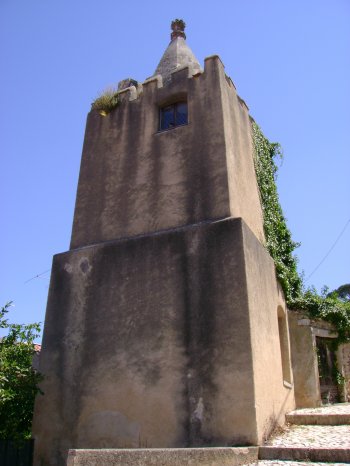
A quadrangular stone building, crowned with chamfered battlements and topped by a conical spire with 16th-century ornamentation. The walls are crowned with chamfered merlons interspersed with a bell chapel.