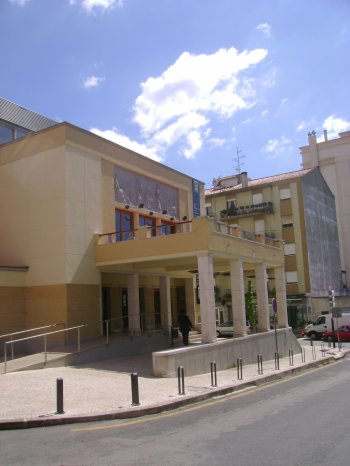
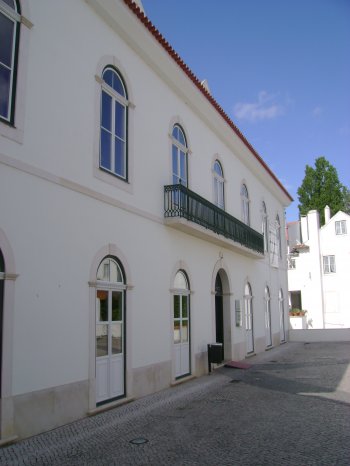
Conceived by entrepreneur João D’Oliva Monteiro and built by Korrodi architects, the Alcobaça Cinema-Theatre was inaugurated in 1944, and has since been a landmark not only in the cultural field but also in architecture. Currently, it has a main hall with a capacity of 315 people and an auditorium with 64 seats. It is frequently the venue for shows from different cultural areas.
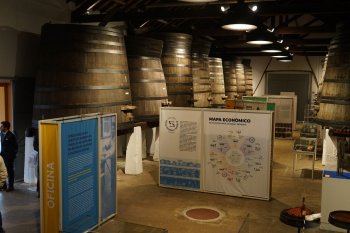
The former wine cellar (Adega do Olival Fechado, existing since the late 19th century), which in 1966 gave way to the museum. Here you can learn about the history of wine and appreciate the exhibition of agricultural implements, machines and objects related to winemaking. It has a collection of more than 10,000 movable pieces, of diverse typologies such as oenology, ethnology, traditional technology, industrial archaeology, graphic, plastic and decorative arts.
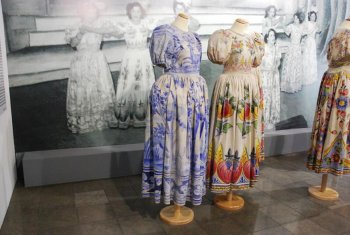
After more than a century of activity, the Raul da Bernarda company decided to open the museum's doors to the public in 2000, on its own initiative, making it possible, since then, to learn about the history of the oldest earthenware factory in Alcobaça. In addition to the "Raul da Bernarda Ceramics Collection," there is also the exhibition "The Costumes of the Rancho do Alcoa, alluding to Alcobaça pottery," which portrays the historical, ethnographic, and artistic memory of the city.
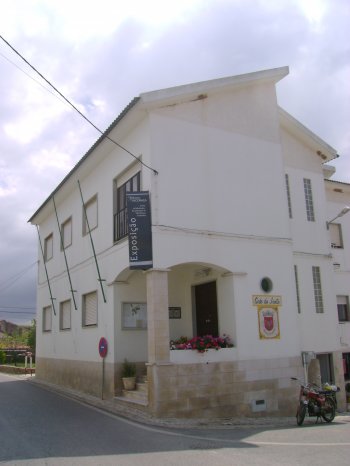
The Roman villa of Parreitas is a perfect testimony of the Roman occupation of Bárrio which took place between the centuries I and IV, already humanized from the Chalcolithic site, with an architecture adapted to the Mediterranean climate of the region and prepared around a central courtyard. Based on what was found there, the permanent exhibition "the Romans in Alcobaça" Monographic Museum of Bárrio aims to disclose the origins of its people, showing a set of materials that reflect the daily life of the population at the time, in terms of agriculture and animal husbandry, domestic activities, fishing, pottery, weaving …