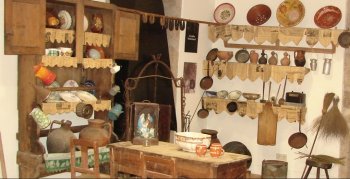
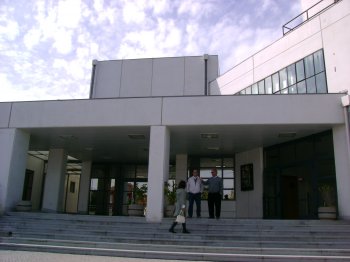
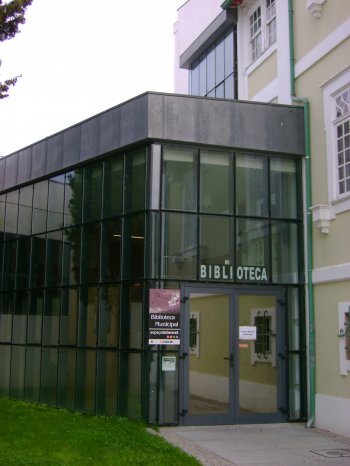
The Casa Grande museum displays collections of archaeology (from the Paleolithic to the Modern Age, with special emphasis on the Roman period), regional ethnography (agricultural tools and implements directly related to farming and objects related to breadmaking, shepherding, wine production, olive oil and almonds) and local history, through the collection of materials and documentation related to the history of the former municipal seat. It also has a section of the Casa do Moutinho.
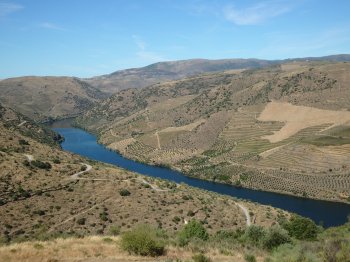
The Ervamoira Site Museum, inaugurated in 1997, is located on the Ervamoira Estate, in the heart of the Côa Valley Archaeological Park. A visit to the Ervamoira Museum will introduce you to the various areas linked to the history of the site and the Douro wine industry: Natural Heritage, Roman and Medieval Archaeological Heritage, Ethnographic Heritage, the history of Casa Ramos Pinto, the Estates and the Viticulture of the Upper Douro. Visits to the Farm and the Ervamoira Museum are organized by appointment and conducted by a guide.
This is the largest open-air Paleolithic museum, where you can see a variety of rock engravings. The most important rock art sites are Canada do Inferno, Ribeira de Piscos, Penascosa, Quinta da Barca, Fariseu and Faia. It is listed as a National Monument and a World Heritage Site.
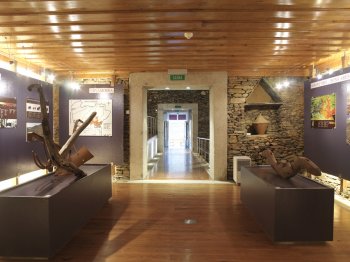
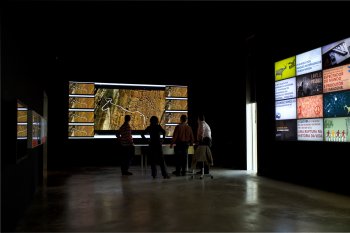
The Côa Museum is a cultural space designed to promote the historical and cultural heritage of the Côa Valley Archaeological Park. The building interacts strongly with the landscape, developing across four floors that include an auditorium, educational services, administrative area, shop, and exhibition rooms.