Explore the best places
Monuments in Elvas


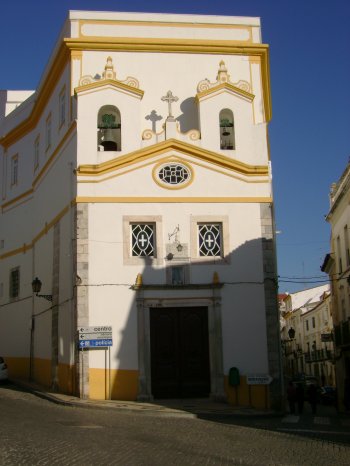
Castelo de Barbacena
- heritage
Largo do Castelo
7350-431, Barbacena
Built in the 16th century and rebuilt in the 17th century, this quadrangular castle retains only the original walls and low turrets. It features a carved stone portal, forming a pediment with two spires and a crown. The courtyard has a central cistern without water, two abandoned cannons, and buildings all around.
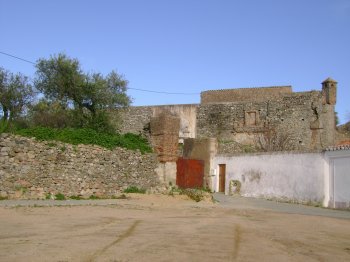
Castelo de Fontalva
- heritage
EN243-1
7350-431, Santa Eulália
The castle, as we know it today, is a modern renovation of fortifications that, according to archaeological studies, date back to the Castro culture. Of the original design, only the quadrangular wall remains, protected at the corners by turrets. During the reign of King João III, it was converted into a sunny, castellated residence.
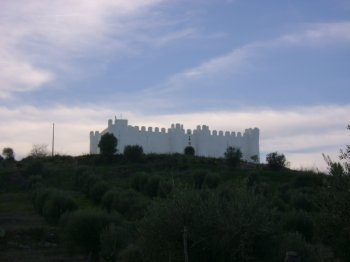
Igreja de São Pedro
- heritage
Rua de São Pedro
7350-027, Elvas
From the original 12th-century construction, only the Romanesque-Gothic granite portico, flanked by small columns, remains. It underwent profound alterations in the 17th, 18th, and 19th centuries. The 18th-century façade is wide and low. The bell tower features four eyelets, two crevices, and a conical dome. The interior, with its three naves, is notable for the dome, which represents the chancel, with its lantern.
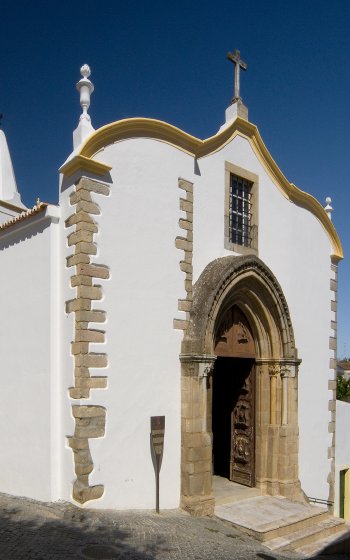
Capela de Nossa Senhora da Nazaré
- heritage
Rua do Caminho de Elvas
7350-431, Barbacena
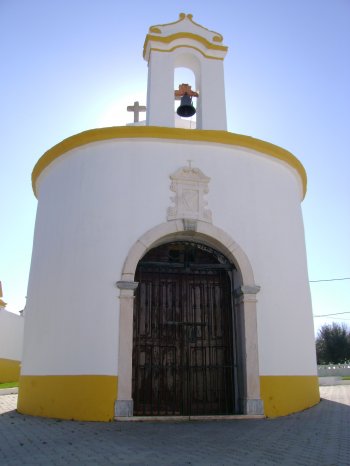
Peculiar Chapel, small circular-shaped. On the facade, you can see the shots in yellow under a white background and the white marble door, surmounted by the Bell Tower and respective Bell. Inside, the highlight goes to the semicircular form of chancel, paved in terrazzo. Are these formats that confer uniqueness.
Igreja Paroquial de Barbacena
- heritage
Largo da Igreja
7350-431, Barbacena
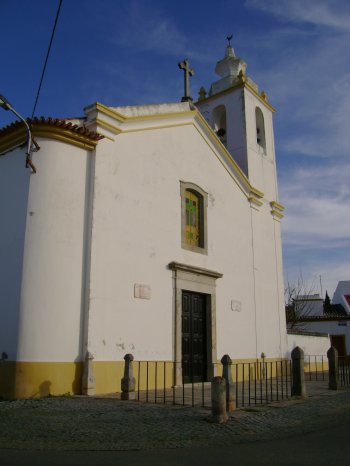
Religious monument that has unique ship, chancel, vestry, choir, meeting room and reception room. The Renaissance chain, left only, the porch and the cornice, while the altarpiece-mor already demonstrates the traits of Baroque and this is one of the distinctive elements of this church.
Igreja Paroquial de São Vicente
- heritage
Rua da Igreja
7350-481, São Vicente
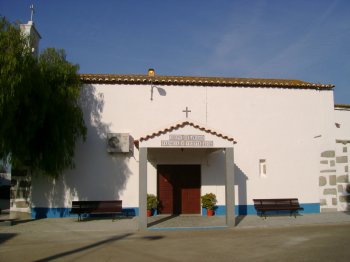
Religious type architecture built in 1586. Its simplicity is notorious and in its Constitution are: a nave, chancel, vestry, adjoining room and an internal courtyard. The ceilings of the main Chapel are in caissons and the main altarpiece included 3 niches.
Igreja de Nossa Senhora da Nazaré
- heritage
Elvas
7350, Elvas
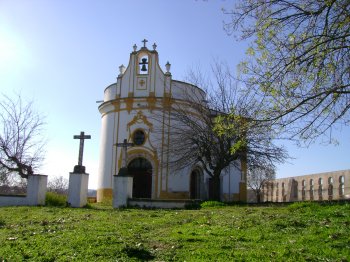
This is another one of churches of Elvas peculiar for its circular-shaped building, consisting of nave, chancel and vestry. Inside the highlight goes to the marbles, the carpet in the ashlars and the marbled altarpiece. The surrounding landscape makes it even more special.
Igreja Paroquial de Vila Fernando
- heritage
Largo João Dias de Deus, 6
7350-511, Vila Fernando
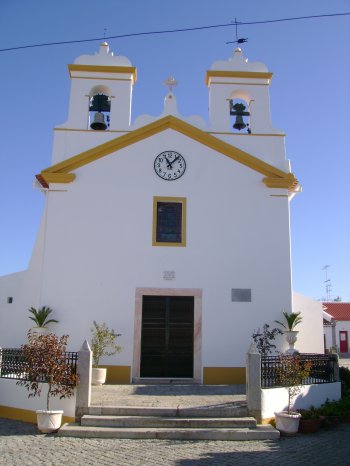
Church with origins in the 13th century, having been one of the most affected by the earthquake of 1755. It consists of nave, choir, chancel, vestry, meeting room and storage room. The facade is composed of a simple courtyard and well taken care of, the door surmounted by window and this for a watch. At the top is the cross of Christ, flanked by two bell towers. The distinctive feature of this church is the chancel, due to the use of the cover of the dome with Lantern Tower.
Capela Funerária da Misericórdia
- heritage
Largo de Nossa Senhora das Dores
7350-121, Elvas
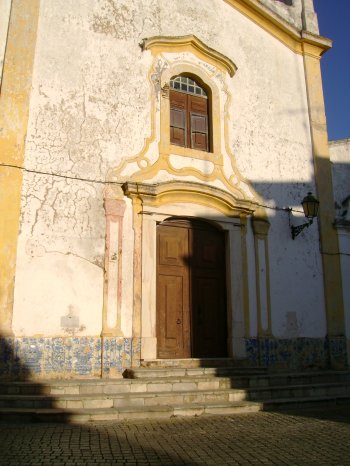
Religious monument, small but of great simplicity. In the exterior facade can still see the tiled shot, despite its state of conservation. It consists of nave and chancel. The interior is equally simple, but you can see a representation of the souls in the chancel, dating from the 18TH century, the holy water sinks and altar table marble Chapel.
Igreja e Antigo Hospital da Misericórdia
- heritage
Largo da Misericórdia
7350-117, Elvas
Building of great architectural value, whose Church dates back to the beginning of the second half of the 16th century. It consists of three naves and four sections. The chancel, pombalina, decorating is covered by a false dome and another highlight, the holy water and sinks both late-Baroque side altarpieces. The niche also late-Baroque, the sink and the tile Ashlar are worthy of appreciation. The party functioned as hospital is perpendicular to the Church, has two floors and date from the first half of the 18th century and today operates as a Museum of contemporary art.