Explore the best places
Monuments in Seixal


Quinta da Fidalga
- heritage
Avenida da República, 2571
2840-741, Seixal
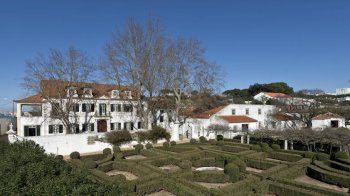
Quinta da Fidalga is distinguished by its tidal lake, a unique monument in Portuguese hydraulic architecture. Its origins date back to the 15th century, always associated with agricultural and leisure functions. It is said that Paulo da Gama, brother of Vasco da Gama, settled in the Seixal region to oversee the construction of caravels destined for the discovery of the sea route to India. Also noteworthy is the beautiful garden outside the house. The space is also part of the Manuel Cargaleiro Arts Workshop, an architectural project by Álvaro Siza Vieira.
Olaria Romana da Quinta do Rouxinol
- heritage
Rua Rouxinol
2855-205, Corroios
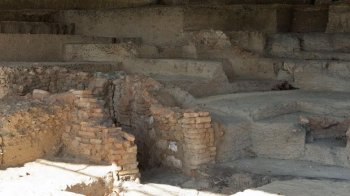
Only the lower part of the furnace of two pear-shaped kilns can be observed, with a small access corridor and three arches supporting the grate (which has since been demolished). Waste materials from the manufacturing process were found in two pits located south of the kilns.
Quinta da Trindade
- heritage
Avenida do MUD Juvenil
2840, Seixal
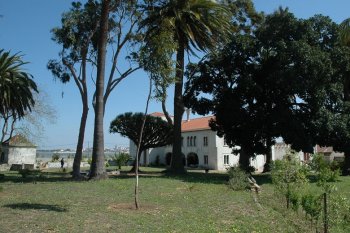
This 17th-century building has undergone later alterations. The tilework covering the staircases and rooms is particularly noteworthy. Throughout the building, one can also find 18th-century ceiling paintings and architectural elements from various periods, including remnants of statuettes from convents, monasteries, and churches that were abandoned after the suppression of religious orders in 1834. In the garden, there is a centuries-old dragon tree, a remarkable specimen of Dracaena graco. To visit Quinta da Trindade, it is necessary to make an appointment with the Educational Service of the Seixal Municipal Ecomuseum.
Igreja de Nossa Senhora da Consolação
- heritage
Praça Miguel Bombarda
2840-156, Seixal
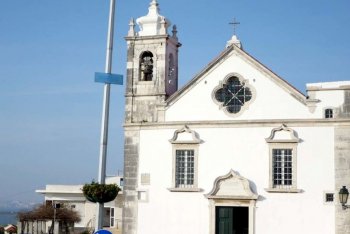
Também conhecida como Igreja Matriz da Arrentela, foi construída no século XV, mas a sua reconstrução, após o terramoto de 1755, conferiu-lhe um estilo predominantemente barroco. O seu interior, de uma só nave, é revestido por uma série de painéis de azulejos do séc. XVIII, representando cenas da vida da Virgem. No exterior, o miradouro proporciona uma vista fascinante sobre a baía do Seixal.