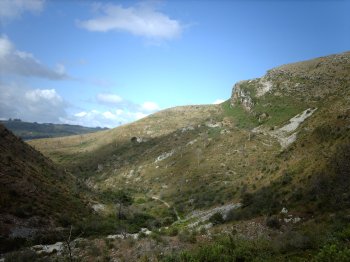
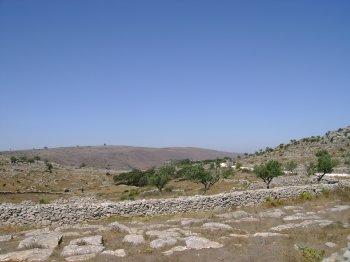
Many hiking trails lead to this location, where it is possible to observe a geological phenomenon that resulted in a natural amphitheater. Inside Fórnea is Cova da Velha, a cavity from which a spring flows down to the Ribeiro da Fórnea stream.
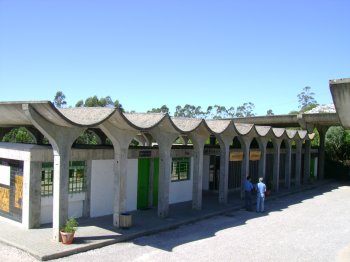
Discovered in 1955, they are part of a group of caves in the Serra de Minde mountain range. Their configuration is gallery/chamber type, with the unique feature of ventilation through a natural chimney. Replete with stalactites and stalagmites, the largest chamber is approximately 6000 m2 and can be visited.
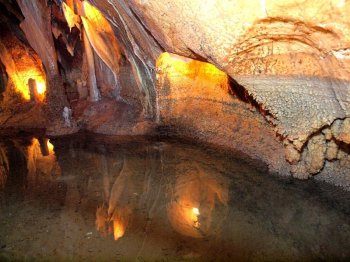
Discovered in 1964, they are found in the Serra de Minde, in an area where these formations are abundant. They have a gallery/chamber/well configuration. Notable features include stalactites, stalagmites, and illuminated lakes in the successive interconnected chambers.
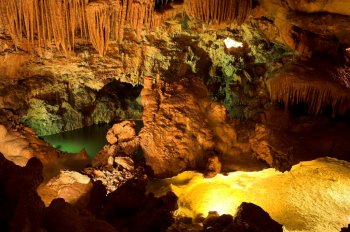
Discovered in 1947, these are the largest caves in Portugal. They have a gallery/room/shaft configuration and their formation is due to erosion and tectonic changes. They feature underground lakes and rooms with beautiful limestone formations. They have two elevators and are 110 meters deep. Here lies the Great Lagoon, formed by the Rio Negro, an underground watercourse that, in winter, forms the Mira de Aire Lagoon. In 2010 it was classified as one of the Seven Natural Wonders of Portugal.
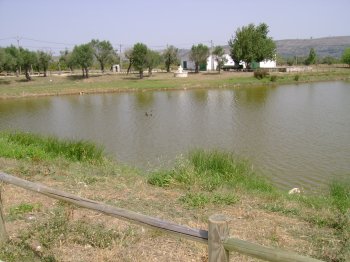
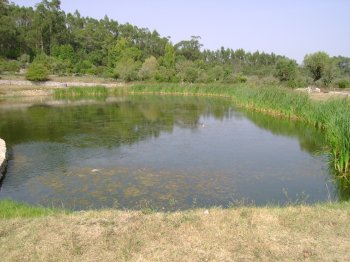
The Arrimal lagoons are surrounded by limestone pools. Lagoa Grande draws water from the Espinho Valley, making it a valuable resource during droughts. Both lagoons are enriched by the presence of the black oak, a rare plant species in this region.
The Arrimal lagoons are surrounded by calcareous wells. The Lagoa Pequena (Small Lagoon), located by Arrimal, gets the water from its own basin. Both lagoons are surrounded by pyrenean oaks, a species that is rare in this region.