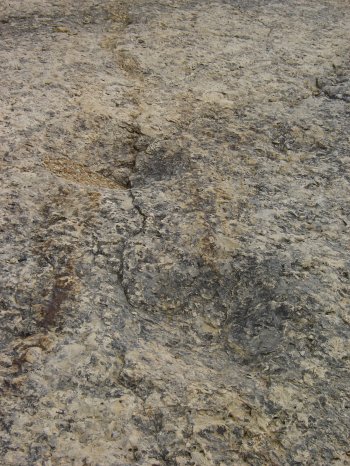
Classified as a Natural Monument since 1997, integrated into the Arrábida Natural Park, beneath the cliffs of Cape Espichel. The site consists of trails of bipedal dinosaur footprints, approximately 130 million years old, arranged in different orientations, created at a time when the region's terrain was flat, marshy, and swampy, which later transformed into limestone, preserving the footprint trails.
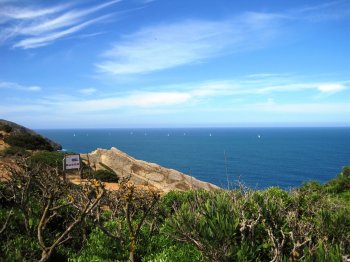
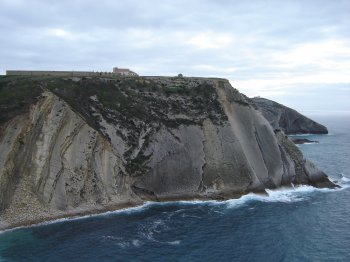
One of Portugal's most famous capes. From its cliffs, one can see the Setúbal peninsula (to the south) and the vastness of the Atlantic Ocean (to the west). The human mark on this inhospitable site is given by the presence of the Ermida da Memória (Chapel of Memory), the Church of Nossa Senhora do Cabo (18th century), and the lighthouse. A magnificent landscape that invites ti photography.
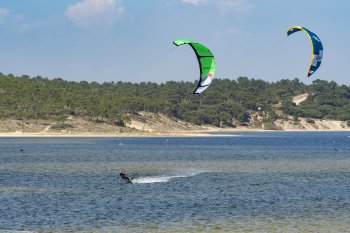
A lagoon of approximately 1.3 km² with an elongated shape, formed by two main lagoon bodies connected by a narrow channel. Surrounded by vast sandy cliffs, this location has calm waters and serves as a refuge for migratory, aquatic, and wading birds. It is believed that this lagoon may have been the Tagus River's route to the sea, located 150 meters away. This fish spawning ground has protected dunes.
Natural monument encompassed within the limits of the Arrábida Natural Park, it is a surface in the cliffs of Cape Espichel, beneath the Chapel of remembrance, composed of limestone slabs that include tracks of footprints of sauropods. One of the tracks is associated with the legend of our Lady of Pedra Mua, which refers to the tracks of a giant mule that would have transported the Holy hillside above.
Classified as a Natural Monument in May 1997, this is a field with several tracks of footprints belonging to different species of dinosaurs, mostly quadrupeds, dated from the late Jurassic (between 140-130 million years BC). Access is conditioned, being the visits by technical support.