Explore the best places
Monuments in Óbidos


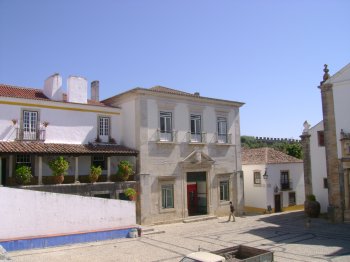
Edifício da Pousada de Óbidos
- heritage
Calçada da Misericórdia
2510-122, Vila de Óbidos
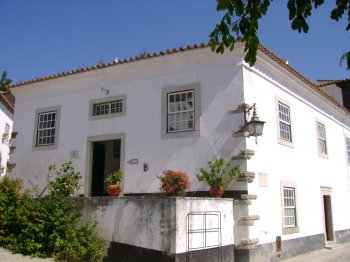
An 18th-century building with a longitudinal plan, composed of two volumes of two and three stories. In the mid-20th century, a new building was added to serve as a hospital and home for charitable institutions, where they remained until 2000. Currently, it houses the Pousada Castelo de Óbidos.
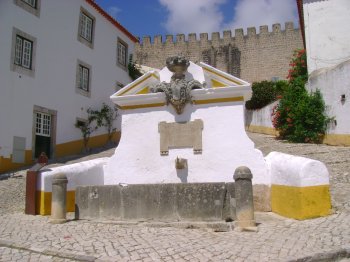
Chafariz do Poço / Chafariz do Arrabalde / Chafariz de Dona Maria I
- heritage
Rua Dom João de Ornelas
2510, Vila de Óbidos
A fountain with a back wall dating from the 18th century, composed of a single curved panel topped by royal arms on the pediment. It was commissioned by Queen Maria I, on the site where the Arabs had a public well.
Centro Histórico de Óbidos
- heritage
Óbidos
2510, Óbidos
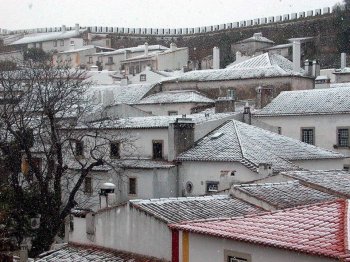
Along its narrow, almost exclusively pedestrian streets, the marks of time are visible, showcasing monuments with Gothic, Baroque, and Renaissance characteristics. The typical streets feature whitewashed houses with flowers on their balconies and windows. Passing the Camões Monument, you'll find the pillory, the Church of Santa Maria, the Church of Mercy, and Óbidos Castle.
Santuário do Senhor Jesus da Pedra
- heritage
Largo do Santuário
2510-071, Óbidos
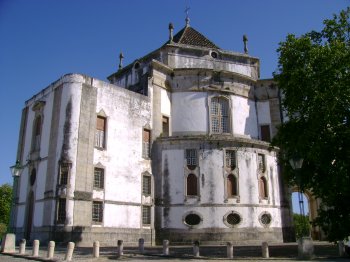
A Baroque church with a hexagonal floor plan inscribed within a circle, dating from the 18th century. It has undergone several renovations over the years and, in 1997, during the celebration of the Sanctuary's 250th anniversary, a museum section was inaugurated here.
Porta da Vila de Óbidos
- heritage
Rua Porta da Vila
2510, Vila de Óbidos
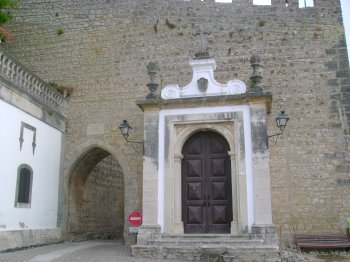
The main entrance gate to the village, commissioned by King João IV in gratitude for the protection of the patron saint, Our Lady of Piety. Inside is the chapel-oratory dedicated to this saint, with a baroque balcony and blue and white tiles.
Castelo e Conjunto Urbano da Vila de Óbidos
- heritage
Largo Coronel Freitas Garcia
2510, Vila de Óbidos
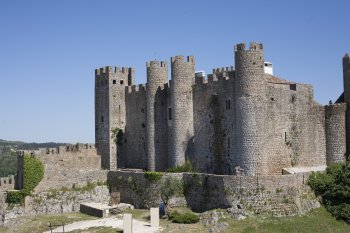
This urban ensemble denotes the medieval character of this village. It is entirely surrounded by walls and has an urban structure that extends from the citadel, entrances, and parade grounds. Of the six gates and posterns cut into the walls, the Porta da Vila stands out, with its chapel oratory, balcony, and attached staircase, all covered in tiles. Built in the 16th century, the palace is a Manueline building located in the north wing of the castle. By the 17th century, the castle was already damaged, a situation exacerbated by the 1755 earthquake, and it was subsequently rebuilt.
Aqueduto de Óbidos e da Usseira
- heritage
EN114
2510, Vila de Óbidos
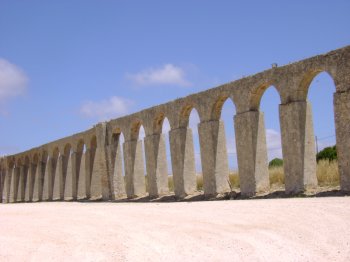
A Mannerist aqueduct with an arcade divided into three sections, extending for six kilometers. It transports water from the Usseira water source to the Arcos valley and then to the fountain in the square.
Igreja Paroquial de Santa Maria Madalena
- heritage
Bairro da Igreja
2510, A-dos-Negros
The Church nave and vaulted chancel, whose original building was erected in the 15th century. The current building dates back to the 17th century, having undergone renovations in the 18th, 19th, and 20th centuries. Inside, highlighting a font with Manueline influences indianizadas.
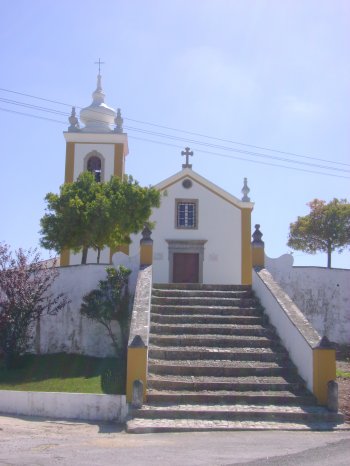
Igreja Paroquial de Nossa Senhora de Aboboriz
- heritage
Rua Doutor Formosinho Sanches
2510, Amoreira
17TH century Mannerist Church, consisting of nave, chancel and side chapels. Inside, featured for choir-top of balustrade based on two columns of smooth magazine.
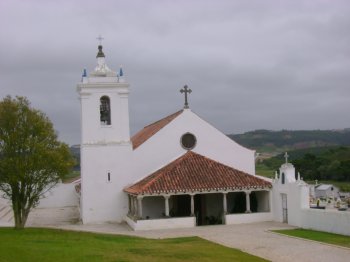
Fachada do Solar dos Aboins / Solar do Morgado Correia Manoel
- heritage
Praça de Santa Maria
2510-057, Vila de Óbidos
Mannerist building built in 1748 by Dom João V to the fidalgo Aboim. Since 1956 that here does the post office in the village. Is classified as a national monument.