Explore the best places
Discover new places in Elvas


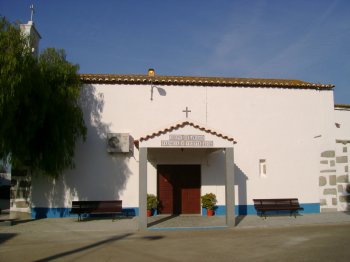
Igrejas das Domínicas
- heritage
Largo de Santa Clara, 3-C
7350, Elvas
Built in the 16th century, the temple underwent modifications in the 17th century. The main Renaissance portico has a round arch and is framed by two pilasters. Of note is the complete polychrome tile covering from 1659.
Forte de Nossa Senhora da Graça ou de Lippe
- heritage
Monte Senhora da Graça
7350-410, Alcáçova
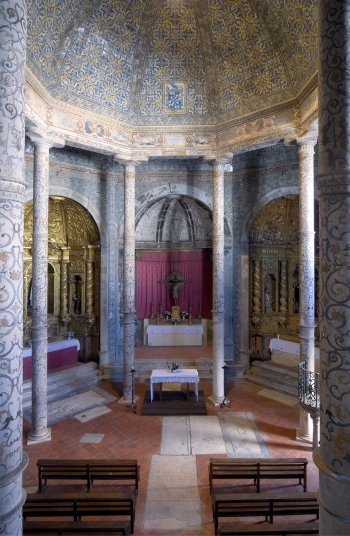
An example of 18th-century European military architecture, built by King José I on the site of a former fort. This bastioned fort sits on an impressive rocky hill. Its wide spaces, interplay of lines and volumes lend it power and military effectiveness. Its distinctive feature is the Governor's residence, an unusual building within the fort's architectural context. It is also known as Lippe Fortress, named after the architect who proposed its construction. Inside, there is a chapel honoring Our Lady of Grace.
Castelo de Barbacena
- heritage
Largo do Castelo
7350-431, Barbacena
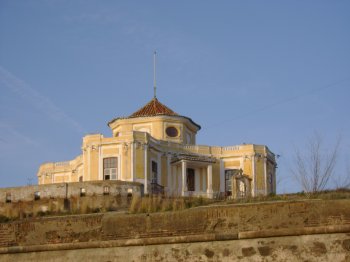
Built in the 16th century and rebuilt in the 17th century, this quadrangular castle retains only the original walls and low turrets. It features a carved stone portal, forming a pediment with two spires and a crown. The courtyard has a central cistern without water, two abandoned cannons, and buildings all around.
Castelo de Fontalva
- heritage
EN243-1
7350-431, Santa Eulália
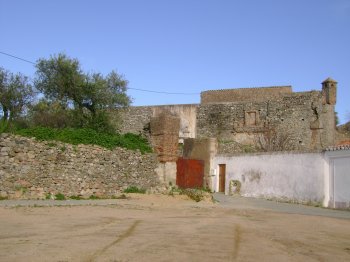
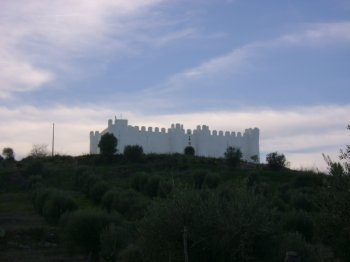
The castle, as we know it today, is a modern renovation of fortifications that, according to archaeological studies, date back to the Castro culture. Of the original design, only the quadrangular wall remains, protected at the corners by turrets. During the reign of King João III, it was converted into a sunny, castellated residence.
Igreja de São Pedro
- heritage
Rua de São Pedro
7350-027, Elvas
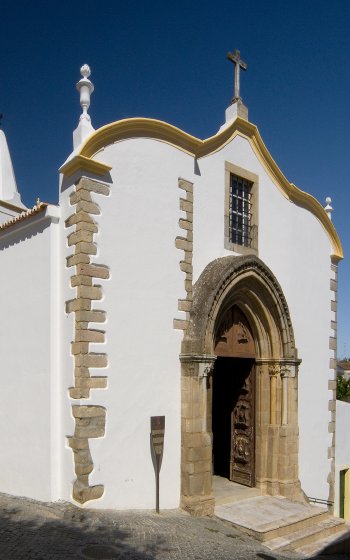
From the original 12th-century construction, only the Romanesque-Gothic granite portico, flanked by small columns, remains. It underwent profound alterations in the 17th, 18th, and 19th centuries. The 18th-century façade is wide and low. The bell tower features four eyelets, two crevices, and a conical dome. The interior, with its three naves, is notable for the dome, which represents the chancel, with its lantern.
1942
- food & drink
Avenida de Badajoz - SL Hotel Santa Luzia
7350-097, Elvas
Inserido no SL Hotel Santa Luzia, o restaurante 1942 serve pratos da cozinha nacional, com destaque para os pratos regionais.
A Bolota
- food & drink
Rua Madre Teresa - Quinta das Janelas Verdes
7350-491, Terrugem
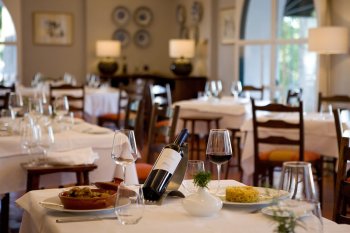
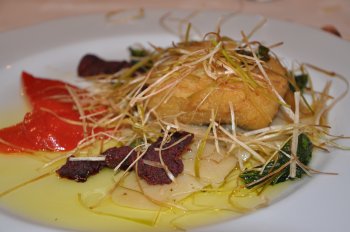
A sua fama, que transpõe fronteiras, muito deve à carismática Júlia Vinagre. Apesar de já não integrar o projeto há vários anos, é impossível dissociar a casa deste grande nome da cozinha portuguesa. Decorado de forma requintada, onde os tons brancos fazem contraste com as toalhas verdes das mesas, criando um ambiente clássico e requintado. São várias as especialidades residentes na carta. Salada de perdiz de escabeche ou migas gatas à alentejana, para entrada, filetes de cherne em crosta de ervas aromáticas ou rosbife com molho de paté, para principais, e pão de rala para finalizar.
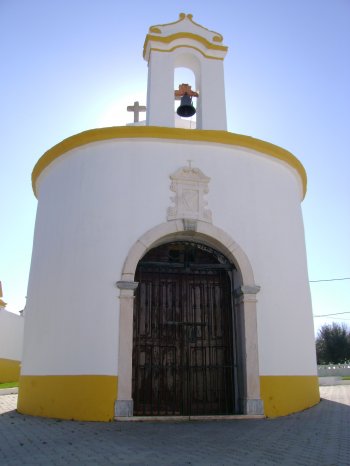
Capela de Nossa Senhora da Nazaré
- heritage
Rua do Caminho de Elvas
7350-431, Barbacena
Peculiar Chapel, small circular-shaped. On the facade, you can see the shots in yellow under a white background and the white marble door, surmounted by the Bell Tower and respective Bell. Inside, the highlight goes to the semicircular form of chancel, paved in terrazzo. Are these formats that confer uniqueness.
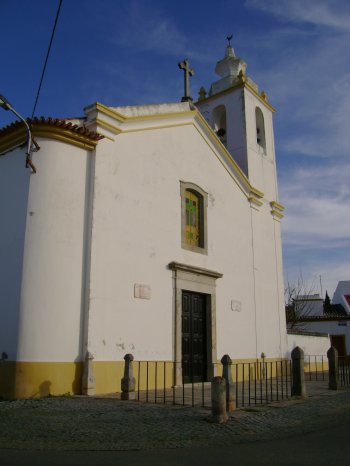
Igreja Paroquial de Barbacena
- heritage
Largo da Igreja
7350-431, Barbacena
Religious monument that has unique ship, chancel, vestry, choir, meeting room and reception room. The Renaissance chain, left only, the porch and the cornice, while the altarpiece-mor already demonstrates the traits of Baroque and this is one of the distinctive elements of this church.
Igreja Paroquial de São Vicente
- heritage
Rua da Igreja
7350-481, São Vicente
Religious type architecture built in 1586. Its simplicity is notorious and in its Constitution are: a nave, chancel, vestry, adjoining room and an internal courtyard. The ceilings of the main Chapel are in caissons and the main altarpiece included 3 niches.