Explore the best places
Discover new places in Lamego


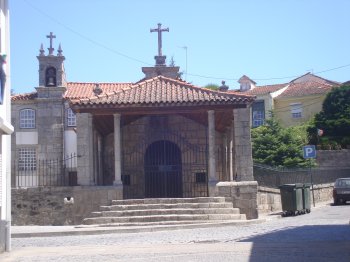
Praça da Avenida Doutor Alfredo de Sousa
- heritage
Avenida Doutor Alfredo de Sousa
5100-066, Lamego
Pleasant place with lots of trees, ideal for a walk.
Convento de Santo António de Ferreirim
- heritage
Avenida Mestres Pintores de Ferrerim
5100-482, Ferreirim
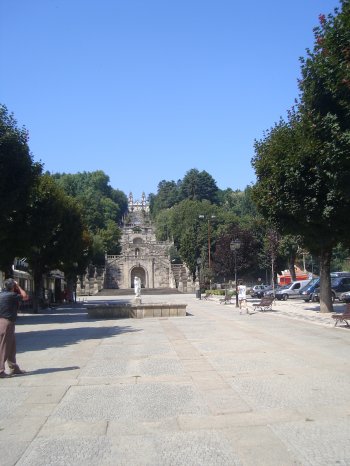
This space has undergone several renovations, but still retains traces of Gothic military architecture, such as the twin windows with pointed arches. This space was formerly the site from which the Sousas of Riba de Vizela's lands were defended, as evidenced by the tower at the back of the church.
Barragem de Varosa
- beach
- country
Barragem de Varosa
5100, Balsemão
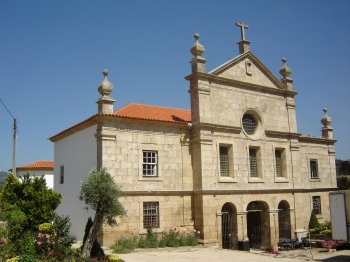
A dam located on the Varosa River, in the heart of the Douro Basin. The most common fish species are barbel, boga, scallo, and trout. The site often serves as the finishing point for canoeing events on the Varosa and Balsemão rivers.
Parque Biológico da Serra das Meadas
- leisure
Rua Padre Alfredo Pinto Teixeira
5100-150, Lamego
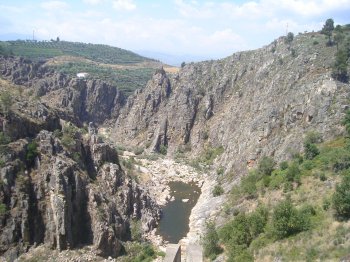
Located in the Serra das Meadas, about 7 km from the city center of Lamego, the Biological Park is an area of great biodiversity. Its goals are to raise awareness of environmental issues and preserve species such as the common buzzard, raven, eagle owl, fox, deer, fallow deer, donkey, horse, mallard, goose, heron, peacock, tawny owl, and barn owl, among others, which live in perfect harmony with the surrounding nature. It features an auditorium for training and environmental education sessions, as well as guided tours.

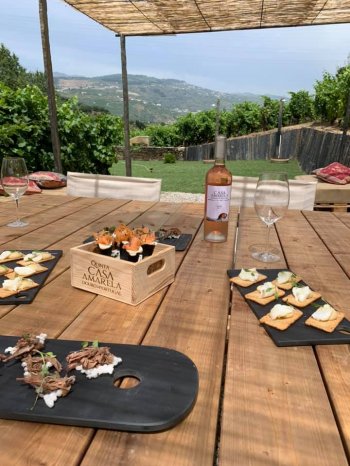
Quinta da Casa Amarela
- leisure
Cambres
5100-421, Cambres
Quinta da Casa Amarela is located on the left bank of the Douro River, between the cities of Régua and Lamego, in the heart of the oldest demarcated wine region in the world, the Douro, a UNESCO World Heritage Site. It has been in the same family since 1885 and produces Port and Douro Designation of Origin wines.
Santuário de Nossa Senhora dos Remédios
- heritage
Monte de Santo Estevão
5100-081, Lamego
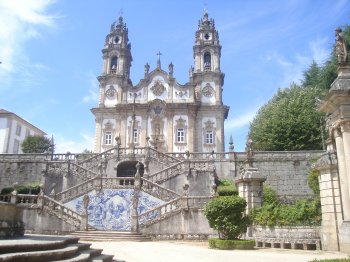
Dating back to 1738, this is a Monte Santo of Italian influence, affiliated with the Sanctuary of Bom Jesus de Braga. It consists of a monumental staircase, offering a striking panoramic effect, with converging and diverging flights, adorned with decorative vases, statues, and symbolic fountains.
Teatro Ribeiro Conceição
- art
Largo de Camões
5100-211, Lamego
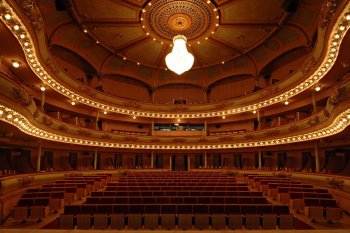
This 18th-century building once served as a hospital and an infantry regiment. It wasn't until 1929 that it opened as a theater, remaining in use until 1987. After renovations, it reopened in 2007. The circular concert hall is covered with a dome, and seating is divided into stalls, a box section, and two levels of boxes with ornate balconies. The building is classified as a Property of Public Interest.
Capela de São Pedro de Balsemão
- heritage
Largo do Desterro
5100-125, Balsemão
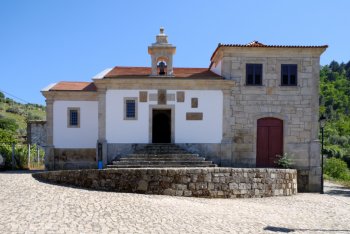
This chapel, probably dating from the 7th century, belongs to the limited group of monuments in Portugal featuring Visigothic architecture. It features three naves and a chancel, notable for its arches and capitals with phytomorphic decoration. Also noteworthy are the carved high altar, the polychrome wooden coffered ceilings, and the tomb with a recumbent statue.
Casa das Brolhas
- heritage
Rua Macário de Castro
5100-149, Lamego
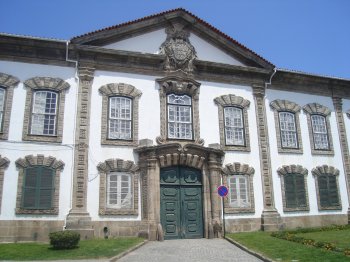
Also known as Solar dos Castros, this house was built in 1777 using reused earlier structures, such as kitchen vaults and grain bins. It features a vast façade divided by pilasters into five sections highlighted by decorative motifs. The central section features a granite gate topped with a coat of arms. The garden, with an eighteenth-century design, consists of geometric flowerbeds bordered by boxwood hedges, a pond, and a small fountain. The vegetation is topiary-like, with a curious maze of tall hedges and houses carved from shrubbery standing out.
Capela de Nossa Senhora da Esperança
- heritage
Rua do Cerdeiral
5100-129, Lamego
A Renaissance chapel from the late 16th century with a porch supported by columns. Founded in 1586, it underwent successive alterations and additions that transformed its original appearance. Inside, highlights include 17th-century tiles, a 16th-century image of Our Lady of Hope, painted ceilings, and gilded carvings on the altars.