Explore the best places
Discover new places in Alcácer do Sal


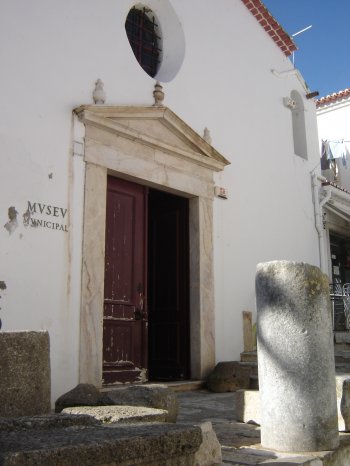
Museu Municipal Pedro Nunes
- heritage
Rua do Município - Praça Pedro Nunes
7580, Alcácer do Sal
Founded at the end of the last century, it displays archaeological collections from the municipality of Alcácer do Sal, from prehistory to the present day. The exhibited objects from the Iron Age and the Roman period are particularly noteworthy.
Miradouro do Castelo
- country
- leisure
Castelo de Alcácer do Sal
7580, Alcácer do Sal
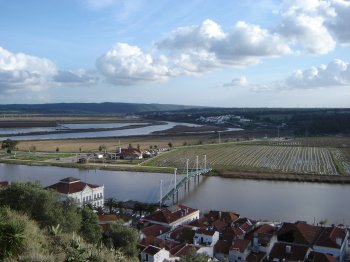
From Alcácer do Sal Castle, you can enjoy a beautiful view of the Sado River and the Alentejo plains. Take advantage of the location to take photographs.
Igreja Matriz de Santa Susana
- heritage
Rua 1º de Maio, 25
7580, Santa Susana
The church has a longitudinal floor plan composed of the unequal rectangles of the nave and chancel. Of particular note are the 16th-century mural paintings in the chancel and the panel paintings of the main altarpiece, attributed to the Master of Lourinhã.
Ermida de Nossa Senhora do Bom Sucesso
- heritage
Torrão
7580, Torrão
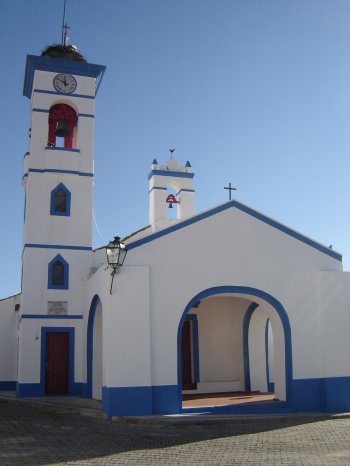
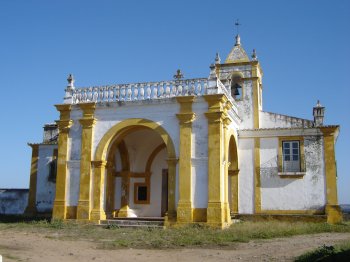
This is a typical Alentejo chapel, with a Baroque style, which took two centuries to build. Its origins date back to the reign of King John V.
Stupa Tashi Gomang
- heritage
EN253 - Centro de Retiros Herdade Corte Pereiro
7580-706, Alcácer do Sal
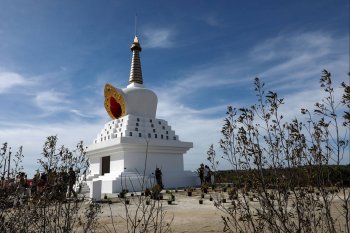
The Stupa Tashi Gomang, a temple belonging to the Guhya Mantrika Buddhist community, is located in the Santa Susana Retreat Center in Alcácer do Sal. It is one of the largest Buddhist temples in the Western world, standing 16 meters tall with an internal temple measuring 36 square meters, prepared for rituals, ceremonies, and lectures. Among the materials used in its construction, Alentejo marble stands out. The decoration, particularly the statues, originates from Tibet and Nepal.
Igreja do Senhor dos Martíres
- heritage
Alcácer do Sal
7580, Alcácer do Sal
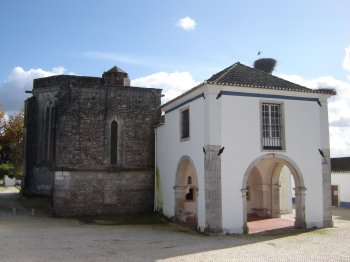
This is one of the oldest Christian temples in the country and stands out for the mysterious shapes and insignia carved into its walls and the succession of artistic periods, evident in the distinct chapels that open from the central body of the temple.
Museu do Arroz
- heritage
Herdade da Comporta
7580-610, Alcácer do Sal
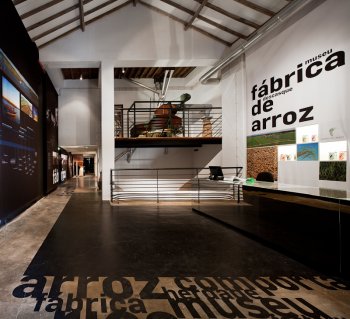
The museum space operates in the building of the former rice husking factory, located between the floodplain and the mangrove swamp. On the ground floor, in the boiler room, a film produced with former workers linked to rice production is shown, and tools are on display. On the other floors are the machinery, such as silos, bagging wheels, rice storage facilities, and rice gauges. On the top floor, there is a room where photographs are exhibited and which is also a space for artistic events, such as exhibitions or shows.
Cripta Arqueológica do Castelo de Alcácer do Sal
- heritage
Rua do Convento de Aracoelli, 12
7580-131, Alcácer do Sal
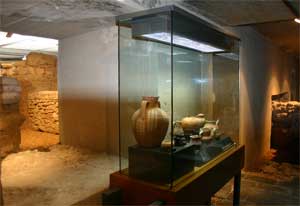
Considered the largest archaeological crypt in the country, it is located beneath the Castle of Alcácer do Sal, now transformed into the Pousada D. Afonso II. It presents traces of the Iron Age dating from the 6th century BC, as well as structures from the Roman period and the Islamic occupation, covering a considerable area. Medieval walls from the post-Reconquista Christian era were also found, based partially on Roman walls which, in turn, overlap older pre-existing structures dating from the Iron Age.
Museu Etnográfico do Torrão
- heritage
Rua das Torres
7595-124, Torrão
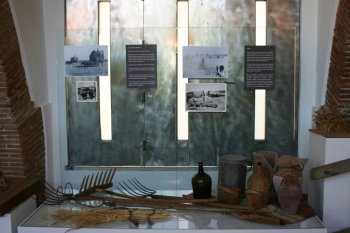
An old olive oil press, restored using traditional techniques and materials, has now been adapted into a museum. It is dedicated to the bread-making cycle, from sowing to baking. In addition to the permanent exhibition, the MET hosts temporary exhibitions.
Reserva Natural do Estuário do Sado
- country
Reserva Natural do Estuário do Sado
7580-709, Santa Susana
Encompassing most of the estuary and its surrounding area (municipalities of Alcácer do Sal, Grândola, Palmela and Setúbal), the Sado Estuary Nature Reserve is a mix of river and sea water, where sandbanks and mudflats, beaches and dunes, and salt marshes and reed beds hide from less curious eyes, in a rich ecosystem with varied fauna and flora. The Reserve is particularly important as a nesting site for waders and ducks, possessing the most significant dolphin population in the country. The marginal areas and areas such as the Tróia dunes and the Herdade do Pinheiro lagoons are an integral part …