Explore the best places


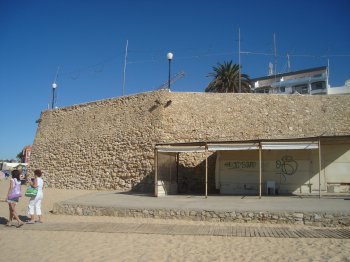
Pedrógão Pequeno
- country
- heritage
Pedrógão Pequeno
6100, Sertã
Situated on a hillside overlooking the Zêzere River, eighteen kilometers from the municipal seat, Pedrógão Pequeno is an ancient settlement, with some evidence of Roman civilization still remaining. It was once the county seat (granted in 1513 by King Manuel I) under the name of Pedrógão do Crato. In 1834, the municipality was dissolved and integrated into Sertã. Fragments of the pillory (classified as a National Monument) still remain. The Manueline-style church, composed of two large naves, dates from the 17th century. Also, noteworthy are the Chapel of Our Lady of Confidence, the Church of Mercy, the cross at the …
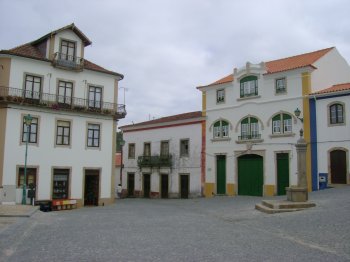
Passeio pela Margem da Ribeira de Isna
- heritage
Alameda da Carvalha
6100, Sertã
The Isna stream is located in the Tagus river basin and is a tributary of the Zêzere River. The Zêzere River rises in the Serra do Cabeço da Rainha and the Castelo do Bode Dam reservoir, near Vila de Rei. This trip offers a pleasant moment of leisure, allowing you to connect with nature through a landscape of lush greenery and great beauty.
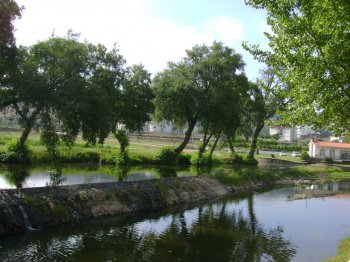
Teatro Mascarenhas Gregório
- art
Rua Cândido dos Reis, 60
8300-126, Silves
Theater founded in 1909 by Gregório Mascarenhas. After decades of abandonment, it currently retains its historical value and has installations that focus on public relations/scenario. Italian style theater.
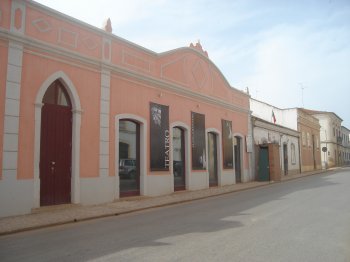
Ponte de Silves
- heritage
Ponte Romana
8300, Silves
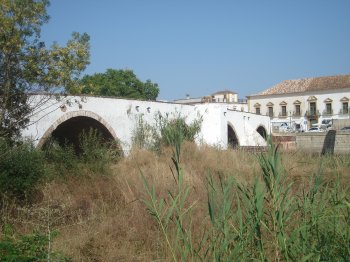
Roman bridge that crosses the Arade River at its widest point. It is pedestrian-only and has five round arches. This medieval bridge took several years to build, with several reconstructions.
Museu João de Deus
- heritage
Rua Doutor Francisco Neto Cabrita, 1
8375-124, São Bartolomeu de Messines
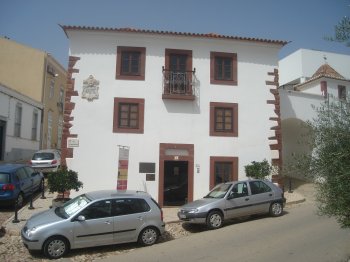
The museum comprises a museum space, a library and newspaper library, a multimedia space, a toy library, and a multipurpose room. The museum space represents the era in which João de Deus lived. Reproductions of the poet and educator's life and work are on display. The multipurpose room is used for theater, dance, concerts, recitals, exhibitions, colloquia, workshops, and literary gatherings.
Museu Municipal de Arqueologia de Silves
- heritage
Rua da Porta de Loulé, 14
8300-139, Silves
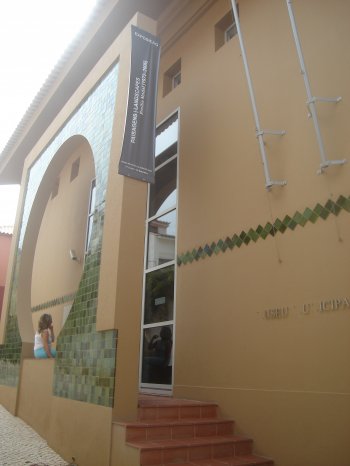
Created in 1990 by the Silves City Council and built around the remarkable Almóada Well-Cistern, the museum's collections showcase archaeological finds from the region and the city. Chronologically organized, the museum's collections are divided into prehistory, Roman, Muslim, and Portuguese periods (up to the 17th century). Highlights include Iron Age funerary stelae with inscriptions of the Southwest Iberian Peninsula script, considered the region's first written language.
Praia de Armação de Pêra
- beach
Praia de Armação de Pêra
8365, Armação de Pêra
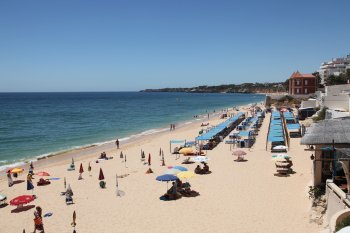
A beach with long, inviting sand, frequented mainly by domestic tourists. The water is of good quality, and the sea is usually calm. The length of the beach allows for long walks along the shore and a variety of activities. In addition to beach bars serving meals, the coastal avenue is lined with bustling restaurants and terraces.
Praia Grande
- beach
Praia Grande
8365, Armação de Pêra
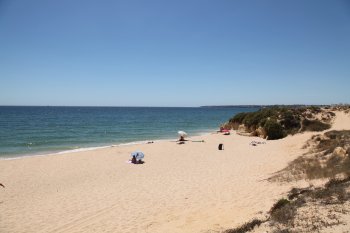
In 1998, it was designated a "Golden Beach" because its location encompasses one of the few coastal stretches in the western Algarve, where a sandy beach is followed by a vast field of sand dunes. This sandy coastal strip is a classified and protected habitat. There are two trails (to the west and east), each two kilometers long. The walk takes two hours. It is a beach popular with naturists and the gay community.
Igreja Matriz de São Bartolomeu de Messines
- heritage
Rua do Arco, 3
8375-145, São Bartolomeu de Messines
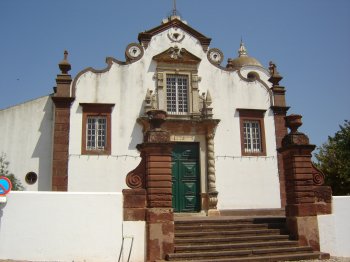
Built in the 16th century, during the transition from the Manueline to the Renaissance style, the church features an interesting Baroque façade, added later, with white walls and red sandstone stonework. The slender pulpit and corresponding access staircase, built with local marble, are small Baroque masterpieces. The church also houses a valuable collection of statues from the 16th to 18th centuries, particularly those dedicated to the Virgin Mary.
Fortaleza de Armação de Pêra
- heritage
Largo da Fortaleza
8365-108, Armação de Pêra
The fort was built primarily to defend the area, as well as its inhabitants, who traveled from the parish headquarters (Alcantarilha) to this location to dedicate themselves to their "art of work." Around 1720, a chapel dedicated to the fort's patron saint was built within the fortress. Today, it is known as the Chapel of Our Lady of the Afflicted.