Explore the best places


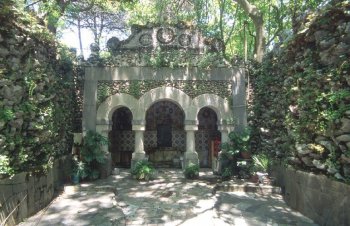
Castelo e Conjunto Urbano da Vila de Óbidos
- heritage
Largo Coronel Freitas Garcia
2510, Vila de Óbidos
This urban ensemble denotes the medieval character of this village. It is entirely surrounded by walls and has an urban structure that extends from the citadel, entrances, and parade grounds. Of the six gates and posterns cut into the walls, the Porta da Vila stands out, with its chapel oratory, balcony, and attached staircase, all covered in tiles. Built in the 16th century, the palace is a Manueline building located in the north wing of the castle. By the 17th century, the castle was already damaged, a situation exacerbated by the 1755 earthquake, and it was subsequently rebuilt.
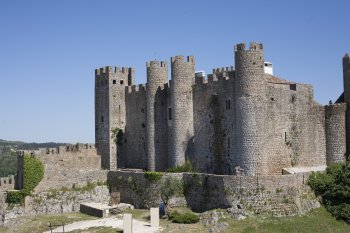
Aqueduto de Óbidos e da Usseira
- heritage
EN114
2510, Vila de Óbidos
A Mannerist aqueduct with an arcade divided into three sections, extending for six kilometers. It transports water from the Usseira water source to the Arcos valley and then to the fountain in the square.
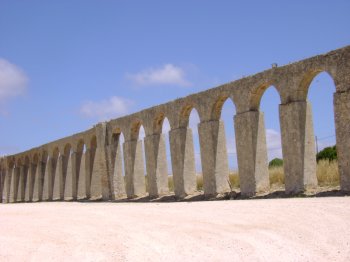
Ecopista Escola Agrícola da Paiã
- country
Estrada da Paiã
1675, Pontinha
Located at the Dom Dinis Agricultural Professional School in Paiã, the Ecopista (Eco-trail) is designed for walking and cycling, allowing users to follow paths that, in an almost magical effect, make visitors feel an integral part of the landscape. It's an opportune moment to observe sheep, cattle, and horses, contemplate the flight of birds, and discover herbs and shrubs that perfume the paths.
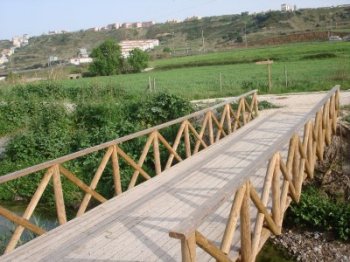
Fonte das Fontaínhas
- heritage
Rua das Fontaínhas
1685-134, Famões
This spring originated in the Ribeira das Águas Livres stream and, after the construction of the aqueduct of the same name, was reduced to a spring and a small stream, which once served as a public laundry. It was built in 1888, and the exploitation of its waters began in 1910.

Memorial de Odivelas
- heritage
Largo da Memória
2675-407, Odivelas
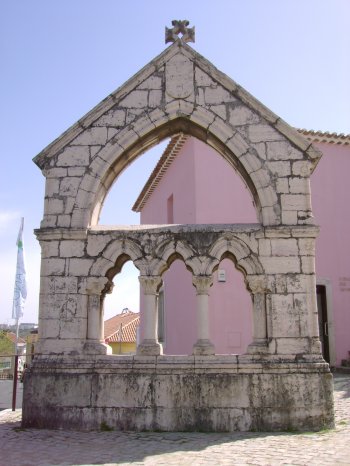
The monument consists of a large pointed arch surmounted by a colonnade supporting three-lobed arches, crowned by a shield. Its initial function was to demarcate the territorial boundaries within the jurisdiction of the Odivelas Monastery. The exact date of its construction is unknown, but it is believed to date from the 14th century.
Mosteiro de Odivelas / Antigo Mosteiro de São Dinis e São Bernardo / Instituto de Odivelas
- heritage
Largo Dom Dinis
2675-336, Odivelas
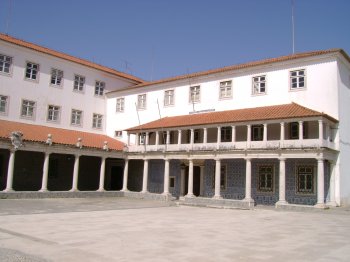
Built between 1295 and 1305, this monastery, founded by King Dinis, belonged to the Cistercian Order. Heavily damaged by the 1755 earthquake, only the door and the apsidal chapels of the church remain, as well as some sections of the cloisters. The Gothic apse, composed of the main chapel and two apsidal chapels covered by chamfered ribs, is particularly noteworthy. This monastery houses the tombs of King Dinis and his daughter, Dona Maria Afonso.
Coreto do Largo Dom Dinis
- art
Largo Dom Dinis
2675-336, Odivelas
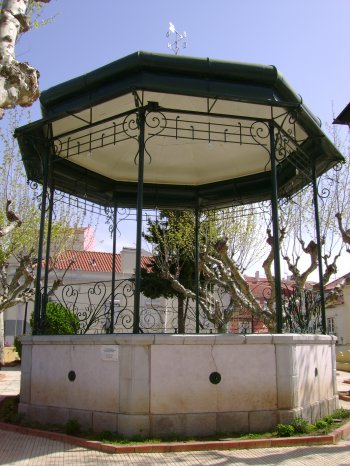
A small bandstand where marching bands perform on festive days.
Padrão do Senhor Roubado
- heritage
Rua Pedro Álvares Cabral
1675, Pontinha
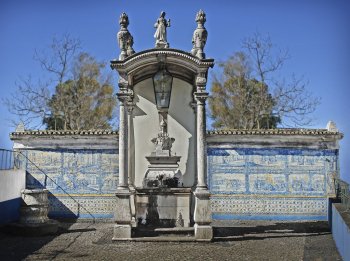
The Monument to the Stolen Lord, dating from 1744, consists of an enclosure in the shape of an isosceles trapezoid, featuring a pulpit that gives it the dimension of a place of divine worship, and a wall entirely covered with monochromatic tiles, serving as a kind of altar. Its construction was due to a robbery carried out in the church of Odivelas in 1671 by a young man who was later condemned in this place, which then became a space where the faithful asked forgiveness for their sins.
Núcleo Museológico da Anta das Pedras Grandes
- art
Bairro Casal Novo
1685-045, Caneças
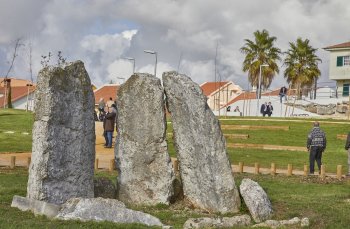
Dolmen with a chamber formed by seven upright stones and a small corridor facing southwest. This structure of large limestone blocks was used as a burial space during the Late Neolithic and Chalcolithic periods. It has been classified as a National Monument since 1944.
Fonte dos Castanheiros
- heritage
Rua dos Castanheiros
1685-585, Famões
Composed of three perfect semicircular arches, topped by a pediment with spandrels that frames three inlaid medallions, the Chestnut Tree Fountain evokes a bucolic and neo-romantic revival. Located on a picturesque farm, it was the first to be explored by private individuals in 1931.