Explore the best places


Jardim da Música
- country
- leisure
Rua Guilherme Gomes Fernandes
2675, Odivelas
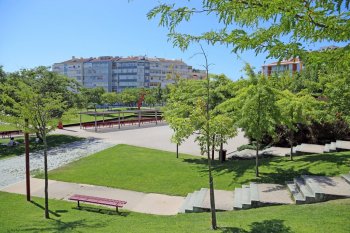
The Garden of Music is part of one of the redevelopment projects of the Odivelas City Hall. It features native tree species, grassy areas, and aromatic herb gardens. With an area of 17,000 square meters, it also has an amphitheater that hosts small concerts. During the day, it's possible to listen to music through the various speakers in the space.
Casa do Arcebispo/ Quinta da Memória
- heritage
Rua Guilherme Gomes Fernandes
2675-372, Odivelas
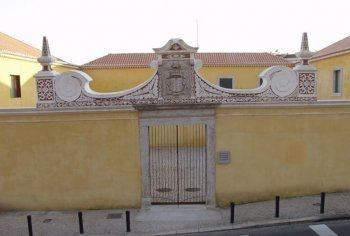
A rectangular, two-story Baroque house, of the ecclesiastical palace type used for recreation. The farm and palace were founded by D. Rodrigo de Moura Teles, a notable figure in the Catholic Church, in the 18th century. Currently, it houses the President's Office, the City Council, the main hall, and the municipal auditorium.
Aqueduto das Águas Livres
- heritage
Rua Dom Diniz
1685, Famões
Belonging to the set attached to the Águas Livres Aqueduct, an aqueduct, in stone, created to get water to the Terreiro do Paço de Queluz for consumption of the Royal Mews. The work was created in the place of two sources: the source of Gargantada and do Pocinho and served several fountains and fountains in Queluz. Built by d. João V, in 1731, was only to be done in the mid-19th century. The main section is 14 kilometres in length, of which eight in the municipality of Amadora.
Parque Municipal da Pontinha
- country
- leisure
Avenida Professor Francisco Sá Carneiro
1675-151, Pontinha
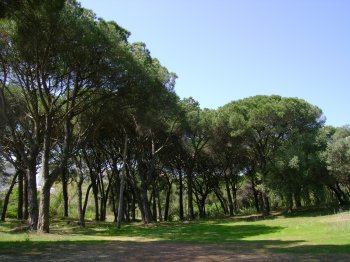
A large, densely wooded green space of approximately 25 hectares, with tables and benches for picnics. Also known as Pinhal da Paiã, it's a great place for a stroll, as it offers plenty of shade and secluded spots to rest and relax.
Parque Urbano do Silvado
- country
- leisure
Rua Humberto Ataíde, 46
2675-272, Odivelas
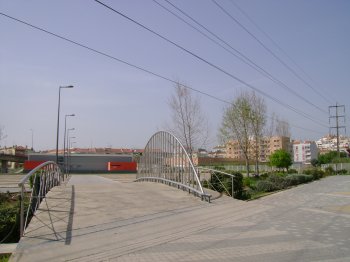
A spacious and modern park, covering approximately two hectares, located in the riverside area. It includes a playground, a sports area, and a green space. An ideal spot for a calm and relaxing stroll.
Centro Cultural da Malaposta
- art
Rua de Angola
2620-492, Olival Basto
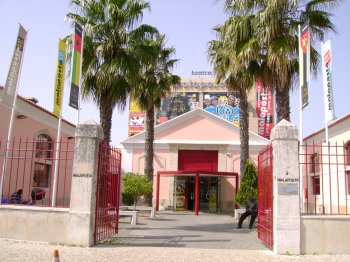
A 19th-century building that housed the last horse-changing station for the postal service, Malaposta. Reconstructed by the City Hall, it was inaugurated in 1989 as a cultural space, comprising several rooms – including an auditorium, an experimental room, and a cinema – and a gallery for temporary exhibitions. It frequently hosts concerts, theater performances, and dance shows.
Praia Fluvial de Unhais da Serra
- beach
Rua das Moutas, 21
6215-521, Unhais da Serra
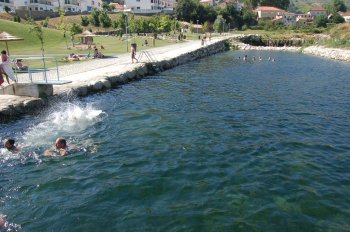
Located in the tranquil village of Unhais da Serra, it features a pleasant grassy area and two water reservoirs with a well-defined bathing area. It has supporting infrastructure such as a bar, restaurant, and restrooms.
Judiaria da Covilhã
- heritage
Rua das Flores
6200-096, Covilhã
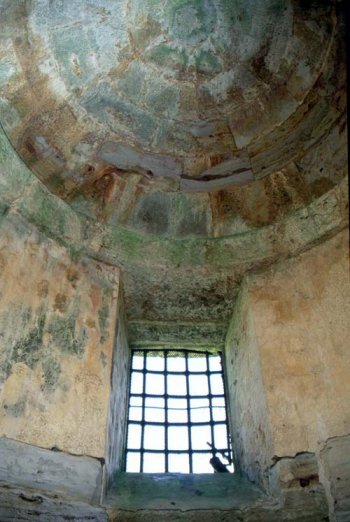
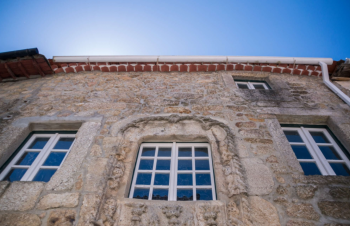
The Jewish community of Covilhã was, between the 12th and the beginning of the 20th century, one of the strongest in Portugal. Many vestiges remain from that period, particularly architectural ones in the area of the old Jewish quarter, in the historical center. There were once two Hebrew settlements, characterized by narrow, unplanned streets and small public spaces. There is a Manueline window from that period located at the back of the town hall.
Museu de Arte Sacra
- heritage
Avenida Frei Heitor Pinto, 9
6200-176, Covilhã
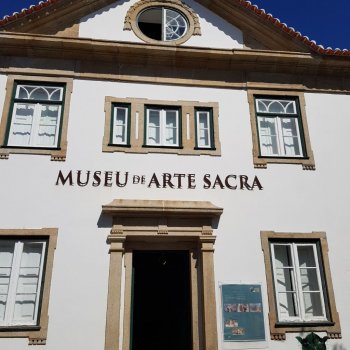
Located next to the Public Garden in a building designed by the architect Raul Lino, it displays over a thousand pieces that are no longer in use in religious settings. It includes works of painting, goldsmithing, sculpture, vestments, and metalwork. Among its vast collection are outstanding pieces such as the Reliquary of the Holy Wood, the image of the Deposed Christ, and the Infant Jesus with the Top Hat. In addition to the permanent exhibition rooms, it has a temporary exhibition room and an internal garden.
Elevador de Santo André
- heritage
Escadas de Santo André, 50
6200-055, Covilhã
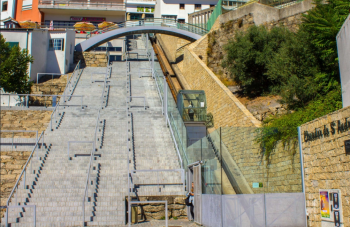
Equipped with a panoramic cabin and free to use, it is an excellent means of transport that facilitates pedestrian connection between Rua Marquês d'Ávila e Bolama and Rua António Augusto de Aguiar. Next to the elevator there is a long staircase that seems to accentuate the difference in level even more. The Pedestrian Mobility Plan for this city, rich in steep slopes, includes two other elevators, one of them very close to this one, and a funicular.