Explore the best places
Heritage in Portugal


Núcleo do Azeite - Lagares de Proença-a-Velha
- heritage
Rua da Igreja, 4
6060-069, Idanha-a-Nova
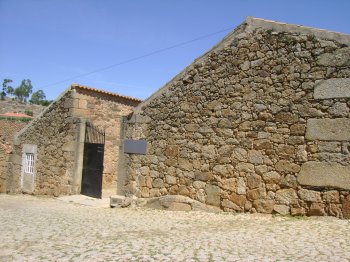
An old village in Beira that has been restored to create a space dedicated to the history of olive oil. Here you can see a water-powered mill, an animal-powered mill, and a mechanical mill.
Sé Catedral de Idanha-a-Nova
- heritage
Rua da Sé, 7
6060-041, Idanha-a-Nova
Cathedral with remains from the 6th and 7th centuries, including the baptistery and the Bishop's Palace. It stands on the ruins of the Roman city, headquarters of the Civitas Igaeditanorum. It has three naves, one of which is truncated, and a side chapel with a mural depicting Saint Bartholomew with the devil chained at his feet. Highlights include the Chapel of Our Lady of the Rosary, with a shell roof and a sgraffito on the wall, dated 1593, decorated with geometric, zoomorphic, cruciform, and angel-head motifs.
Museu Epigráfico Egitaniense
- heritage
Rua do Lagar
6060-041, Idanha-a-Nova
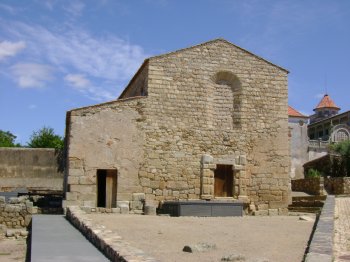
Idanha-a-Velha stands on the site of the glorious city of Egitânia, invaded and sacked countless times. Here we find vestiges of prehistory, the Celts, Roman Classicism, the Suevi, the Visigoths, the Arabs, the Portuguese Middle Ages, and buildings from the Manueline period. The Egitaniense Epigraphic Museum is housed in the town's cathedral, originally built on an early Christian temple and the first Visigothic cathedral built in the Iberian Peninsula. Inside, we can see the largest collection of Roman epigraphy in Europe ever found in a single location. Another part of this collection is part of the collections of the Tavares …
Conjunto Arquitetónico e Arqueológico de Idanha-a-Velha
- heritage
Largo da Igreja
6060, Idanha-a-Nova
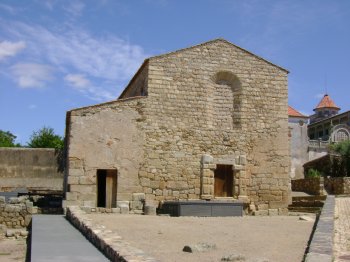
A fortified settlement bounded by oval walls, located on the right bank of the Pônsul River. Inside, the highlights include the old Cathedral/Main Church and the ruins of the Castle. Outside the walls, highlights include the Chapel of Saint Damasus, the Chapel of the Holy Spirit, and the bridge over the Pônsul River. The bridge dates from the 1st century, and the walls from the 3rd or 4th century.
Castelo e Muralhas de Monsanto
- heritage
Rua do Castelo, 32
6060-091, Idanha-a-Nova
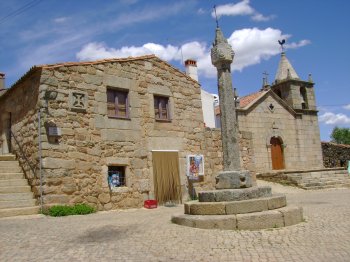
According to legend, the foundation of this castle began with a hillfort that allowed Viriato's companions to withstand a seven-year siege. Later, it also withstood Arab, Castilian, and French attacks. It is located amidst a rocky outcrop, at a strategic lookout point. Dom Afonso Henriques granted it a charter in 1174 and donated it to the Templars, who built the castle. Of the imposing medieval fortress, only the quadrangular Torre de Lucena and Torre do Pião remain.
Moinhos de Água de Cujó
- heritage
Rua do Senhor da Livrração
3600-300, Cujó
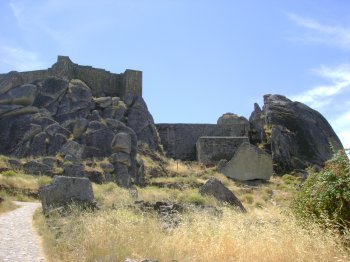
Restored watermills that are still in operation are located along the riverbed.
Santuário da Nossa Senhora da Ouvida
- heritage
EN2
3600-472, Senhora da Ouvida
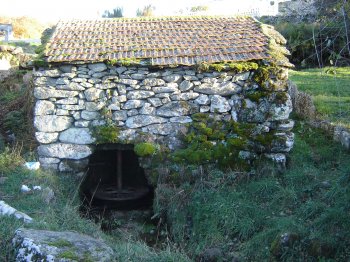
In this place, the polychrome images of Our Lady of Ouvida and Saint Barbara, dating from the 15th century, stand out.
Ruínas da Muralha das Portas de Montemuro
- heritage
EN321
3600, Ester
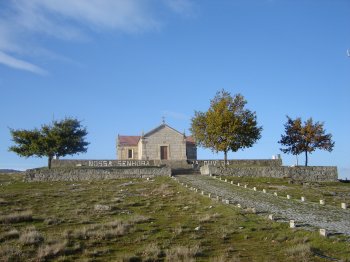
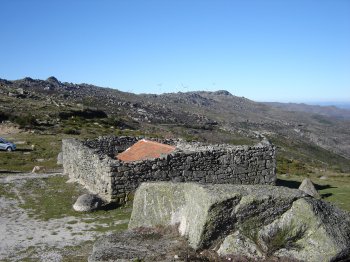
This remains of the fortress are located at the site known as Portas de Montemuro, with an uncertain construction and occupation date. A fortified settlement attributed to the Iron Age, scattered remains of a wall with a very irregular polygonal layout have been detected.
Capela das Carrancas
- heritage
Rua Padre Américo, 7
3600-298, Castro Daire
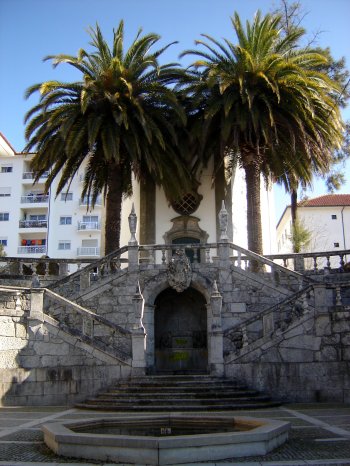
Octagonal chapel with a monumental two-flight staircase, with a fountain with gargoyles in the center.
Igreja Matriz de Castro Daire
- heritage
Largo São Pedro, 1
3600-139, Castro Daire
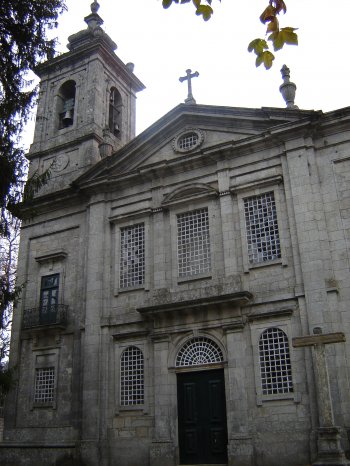
This church dates back to the 18th and 19th centuries. Featuring Baroque and Neoclassical architecture, it has an aisle parallel to the nave. The exterior features a Neoclassical façade, built in the 19th century, and a bell tower with four windows. The interior features a polychrome triumphal arch with a central arch.