Explore the best places
Heritage in Portugal


Ponte dos Sete Arcos
- heritage
Rua Jorge M. Reis Machado, 20
9630, Nordeste
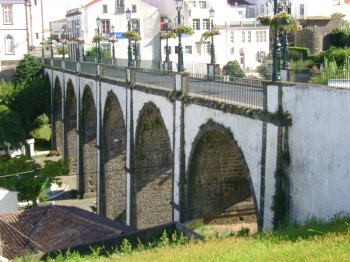
This bridge serves as an entrance to the center of the village of Nordeste for those coming from Ribeira Grande and Ponta Delgada and was built in 1882. Not even its narrow width hides its beauty, one of the most beautiful in the entire archipelago. At night, with the lamps lit, it seems to take us back to the end of the 19th century.
Dólmen do Turgal
- heritage
Britelo
3630, Penela da Beira
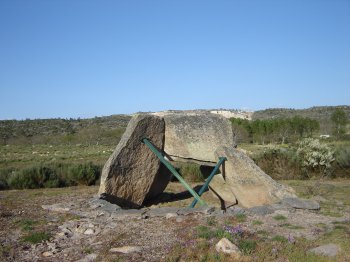
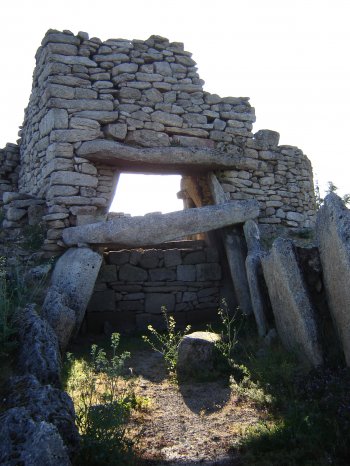
Monument belonging to the Necropolis of Senhora do Monte (consisting of eight dolmens). This dolmen is formed by two stones holding a larger stone, which covers the tomb.
Dólmen do Carvalhal
- heritage
Britelo
3630, Penela da Beira
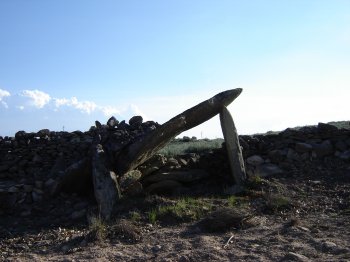
One of the eight dolmens belonging to the Senhora do Monte Necropolis.
Necrópole Megalítica de Lameira de Cima
- heritage
Quinta da Lameira de Cima
3630-145, Ourozinho
Set of two prehistoric funerary monuments, probably dating from the end of the 4th/3rd millennium BC.
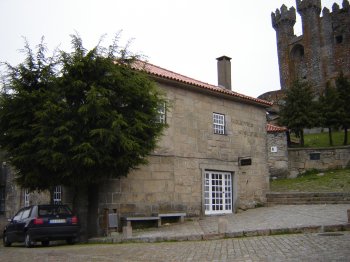
Biblioteca Municipal de Penedono
- heritage
Praça 25 de Abril
3630, Penedono
Building that has a vast archive of publications.
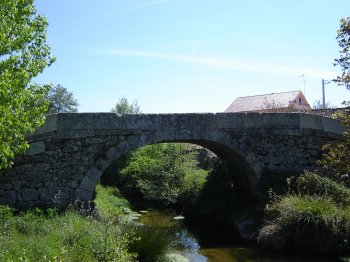
Ponte Românica de Beselga
- heritage
Rua da Devesa
3630-046, Beselga
Roman bridge consisting of a single arch. It is surrounded by vegetation and constitutes a valuable example of the history and architecture of that Beira region.
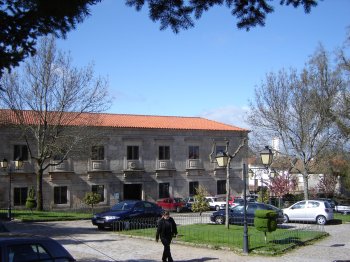
Solar do Freixo / Câmara Municipal de Penedono
- heritage
Largo da Devesa
3630-231, Penedono
Old building where the Penedono City Council currently operates. Recently restored, this manor house with sober but majestic features was the former residence of the Counts of Marialva. Highlights include the carved stone windows and balconies. In the Solar do Freixo Chapel there is a sculpture of S. João Baptista, dating from the 17th century.
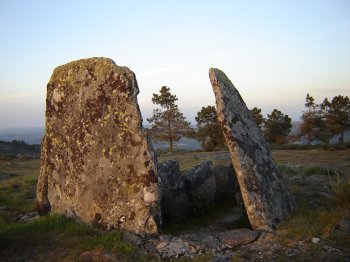
Dólmen da Capela de Nossa Senhora do Monte
- heritage
Britelo
3630, Penela da Beira
Monument consisting of a polygonal chamber used to serve as a chancel, rectangular in plan, in ruins. Two slabs still remain, one belonging to the chamber roof and the other to the corridor roof. Traces of the tumulus can also be seen.
Menir do Vale Maria Pais
- heritage
EN229-1
3630, Antas
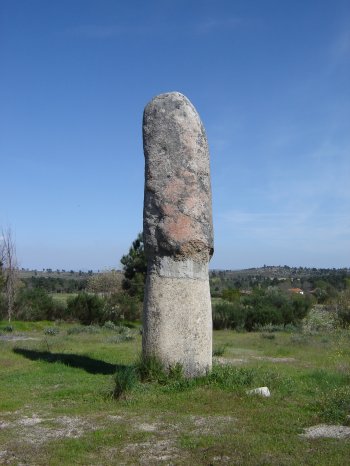
Monolithic granite monument about three meters high. It features a set of dimples and a motif reminiscent of the solar representation.
Pelourinho de Penedono
- heritage
Praça 25 de Abril
3630-246, Penedono
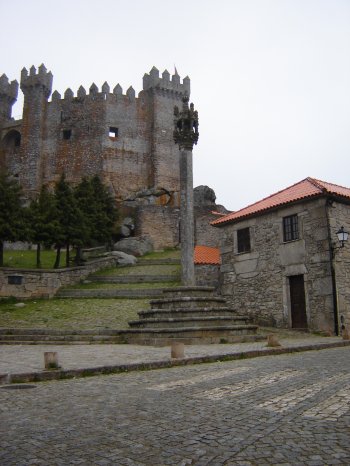
This pillory, based on a platform with five octagonal steps, has an octagonal shaft topped by an inverted pyramidal trunk capital with decoration between the frames. Dating back to the 16th century, it was rebuilt and placed in its original location, at the bottom of the stairs leading to the castle.