Explore the best places
Heritage in Portugal


Castelo da Vila de Monforte
- heritage
Monforte
7450-142, Monforte
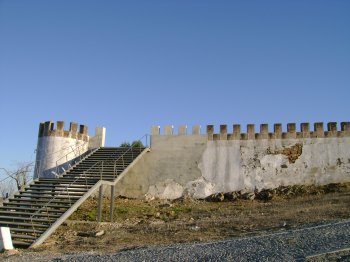
Castle located on top of a very strong hill, which gave rise to the name of the village. Currently, only a few remains remain, one of the medieval towers and some sections of the wall. Conquered by King Afonso Henriques in 1139, this town was populated by King Afonso III in 1257. In 1512 King Manuel granted it a new charter. Built by King Dinis in 1309, this castle was built on Roman foundations and had a wall surrounding the entire town.
Porto da Casa
- heritage
Corvo
9980, Corvo
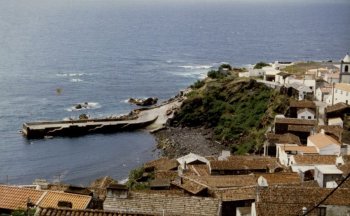
It is the only port on the island used for commercial traffic and the only entrance to the island via sea.
Farol da Ponta Negra
- heritage
Ponta Negra
9980, Vila do Corvo
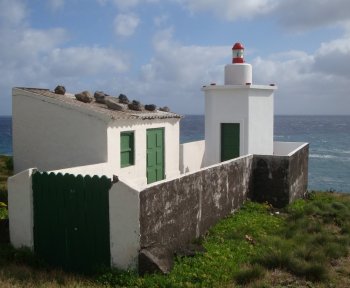
Located at the southern end of the island of Corvo, it dates back to 1910 and is six meters high.
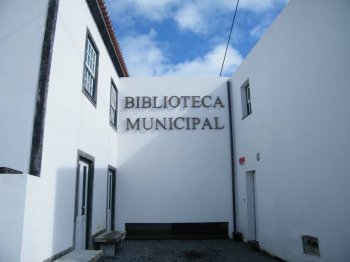
Biblioteca Municipal de Vila Nova do Corvo
- heritage
Rua da Matriz
9980-010, Vila do Corvo
Library with a vast documentary collection.
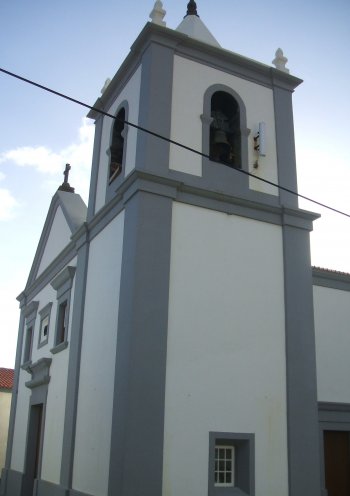
Igreja Matriz de Nossa Senhora dos Milagres
- heritage
Rua da Matriz
9980-020, Corvo
It is the first temple built on the island, having already undergone several reconstructions over the years.
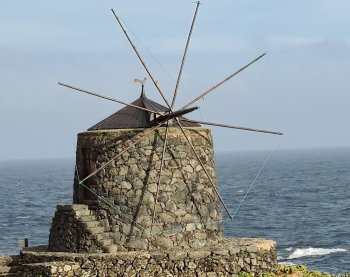
Moinhos do Corvo
- heritage
Caminho dos Moinhos - Aerogare da Ilha do Corvo
9980-032, Vila do Corvo
Set of traditional mills, which give the island such a characteristic look.
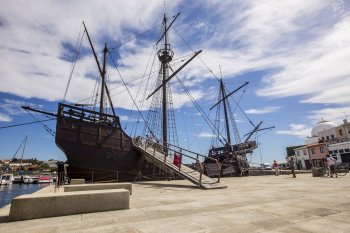
Nau Quinhentista e Alfândega Régia - Museu de Construção Naval
- heritage
Rua Cais da Alfândega
4480-702, Vila do Conde
A section of the Vila do Conde museum, devoted to the history of ship building.
Casa de José Régio - Museu de Vila do Conde
- heritage
Avenida José Régio
4480-671, Vila do Conde
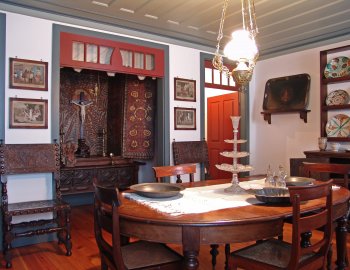
Created in 1975, it features a set of furnitures, religious art works, tableware and paintings that José Régio, the writer, collected during his life time.
Centro de Memória de Vila do Conde - Museu de Vila do Conde
- heritage
Largo de São Sebastião
4480-706, Vila do Conde
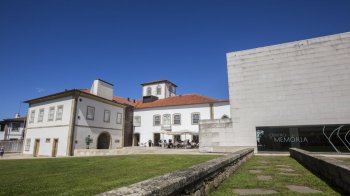
Junta as valências do Arquivo Municipal, Gabinete de Arqueologia e o Núcleo Central do Museu de Vila do Conde. O Centro de Memória resulta de um projeto de regeneração do Solar de S. Sebastião. Recebe exposições temporárias dedicadas à arte contemporânea, para além da exposição permanente da unidade central, “Vila do Conde: Tempo e Território”, e é aqui que se encontra também o espólio arqueológico à guarda da Câmara Municipal, provenientes dos projetos de escavação da Cividade de Bagunte e de divulgação do Castro de S. Paio.
Museu das Rendas de Bilros - Museu de Vila do Conde
- heritage
Rua de São Bento, 70
4480-781, Vila do Conde
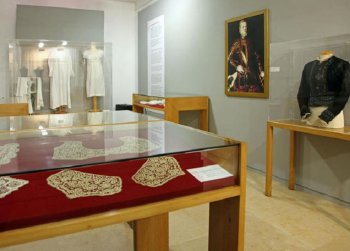
Located in a typical city manor of the 18th century, it aims to promote the study of this time honoured art for the new millenium. It includes lovely Bilros Embroideries. In the museum one may view the women who make the embroideries at work.