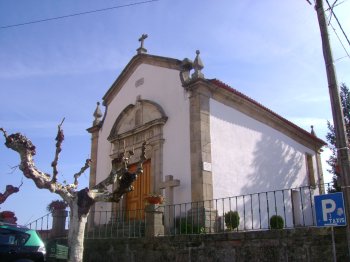
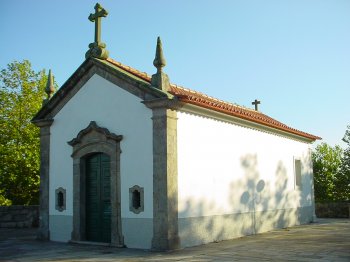
Romanesque-style chapel which is distinguished by the ornamental richness of its interior, typical of the Baroque period. The façade is flanked by two stone corners, topped by pinnacles. Highlighting the great portico, with the lintel decorated with rosettes, on which rests a curved pediment. The ceiling of the Chapel is of mixer with caissons dated to the late 17th century.
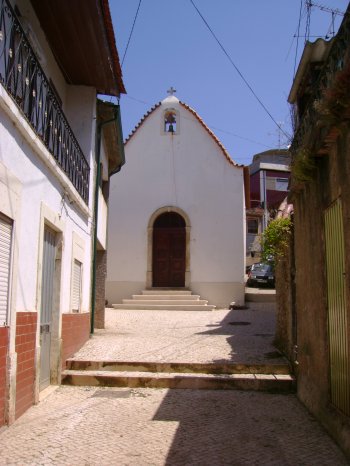
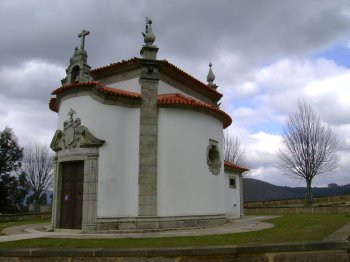
Probably built in the 17th century chapel, with a quadrangular plant with domed cover. The interior features two Tuscan columns, identical to those of straight Dick portal located in the main façade.
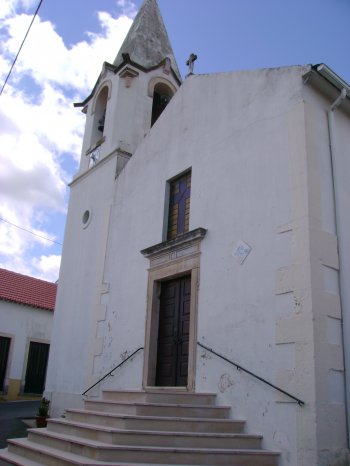
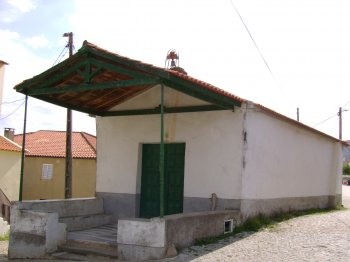
Probably built in the 16th century chapel with a Bell Tower located near. In the 17th century was placed the portal and restored the Chapel, in 1951 the Bell Tower was built in 1977 and has been remodeled.
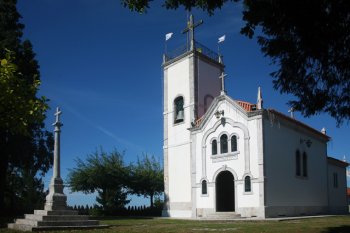
Small chapel from the 17th century, located at the top of Monte Crasto, a kind of natural fortress, with 194 meters of altitude and a beautiful panoramic view over Gondomar, Gaia and Porto. In front of the chapel, we can see side crosses dating from 1757 and a central one from 1759. Throughout the park, there are caves, picnic areas and romantic flowerbeds that invite you to visit.
Chapel built in 1739 by José Alves de Azevedo, Chief of the mines of the Rio das Mortes, in Brazil. Is covered by a dome and retains a Johannine altarpiece. Has a picnic Park.
This chapel, dated from the 18th century, was raised on a granite monticule with a spiral ramp and traditional Portuguese pavement. Here died, in 1038, Dom Gonçalo Trastamires. A procession in honour of Saint Ovídio takes place every ear on the last Sunday of August, at the belvedere over the small town of Castelo da Maia.