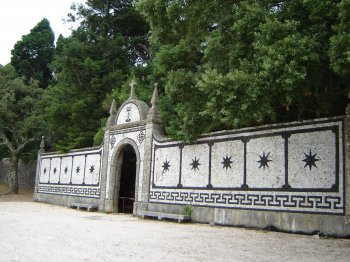
Explore the best places
Heritage in Portugal


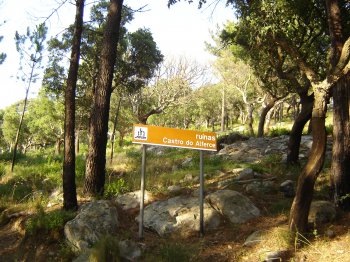
Castro do Alferce
- heritage
EM1073
8550, Alferce
It is thought that this castle was built in the 10th or 11th century by Muslims, having served as a military refuge to support Silves Castle. Today only a few walls and a cistern remain, hidden in the middle of vegetation and between cork oaks.
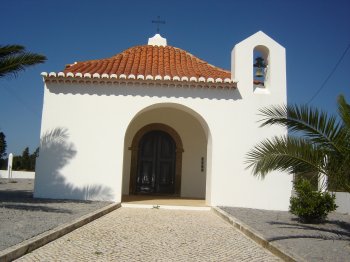
Capela de Santo António
- heritage
Monte de Santo António
8550, Monchique
Building that dates back to the end of the 18th century and, according to tradition, was built in the place where this miracle worker saint appeared to a shepherd.
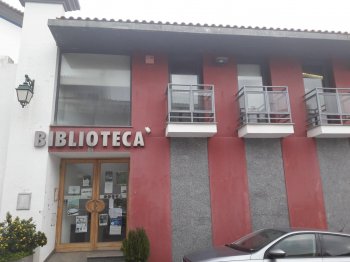
Biblioteca Municipal de Monchique
- heritage
Calçada de Santo António, 15
8550-422, Monchique
Modern space, dedicated to reading, information and research. It has a reading room, a space dedicated to younger children and an exhibition room. It is equipped with computer and audiovisual material.
Capela de Santa Teresa
- heritage
Rua de Caldas de Monchique
8550, Monchique
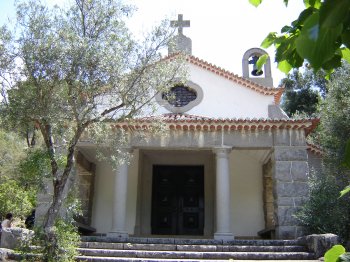
Chapel built in 1940. It is worth highlighting the beauty of its tile panels, dating from the 18th century, which describe the life of Saint Teresa. The main facade features a portal with a stonework frame preceded by a porch resting on pillars and two columns, with an oculus opening at the top of the facade.
Igreja Matriz de Monchique
- heritage
Rua da Igreja, 29
8550-464, Monchique
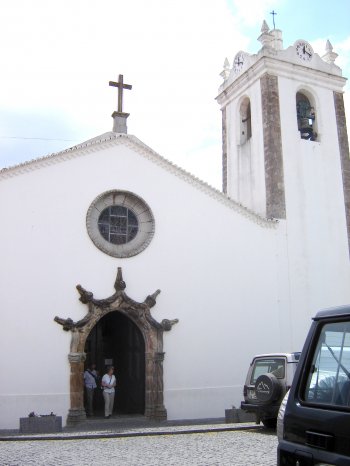
Church with a longitudinal plan, with a beautiful Manueline portico and gilded altarpiece in the main chapel. In the Church there is a sacred treasure composed of cult objects that belonged to the former convent of Nossa Senhora do Desterro (17th century) and valuable vestments.
Pelourinho de Mortágua
- heritage
Rua Doutor João Lopes de Morais
3450-153, Mortágua
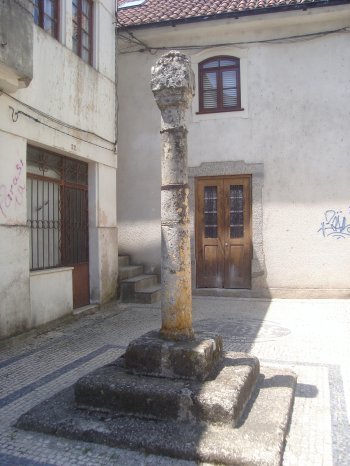
This pillory, based on three steps, has a cylindrical shaft with two shaped rings framing an iron arch. It is topped with a prismatic block.
Moinho de Moura
- heritage
Rua do Moinho
3450-385, Trezói
Dating back to the 17th/18th century, this windmill was the command post of French Marshal Massena during the French invasions. It is relatively close to the Sula Mill.
Penedo de Crauford
- heritage
Rua do Moinho
3450-385, Trezói
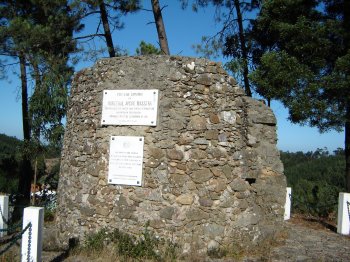
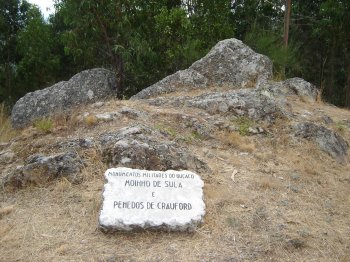
Buçaco military monument. It is located close to the Sula Mill.
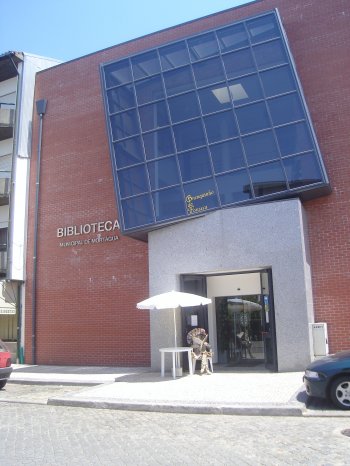
Biblioteca Municipal de Mortágua
- heritage
Rua Tomás da Fonseca, 8
3450-162, Mortágua
Space where you can read (books, magazines, newspapers), work, listen to music, watch films or do research. Develops cultural activities.
Portas da Rainha
- heritage
EN234
3450-386, Trezói
One of the three doors to the Buçaco forest. The Carmelite friars always kept this door closed, and it was only reopened in the 19th century. It underwent renovation work in 1872.