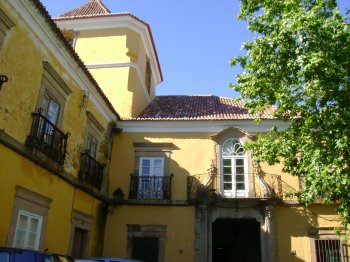
Explore the best places
Heritage in Portugal


Museu Etnográfico da Pampilhosa
- heritage
Casa Rural Quinhentista - Rua do Casal
3050-436, Pampilhosa
Housed in a 16th-century farmhouse, this space is dedicated to ethnology, with objects representing agricultural life, the ceramics industry, railways, costumes, crafts, everyday utensils, sacred art, archaeology, and the pig.
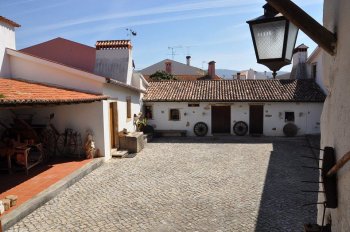
Convento de Santa Cruz do Bussaco
- heritage
Luso
3050-261, Luso
All that remains of the former Discalced Carmelite convent are the façade, the church, and the cloister. Of particular note are the breccia work on the façade, and the colorful mosaic murals, which vaguely recall the art of the Far East.
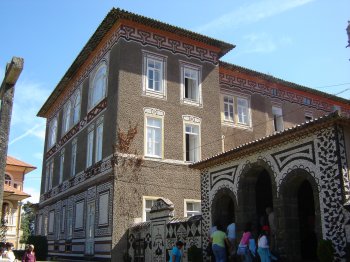
Passeio no Buçaco - Obelisco e Palace Hotel
- heritage
Buçaco
3050, Buçaco
This is a fairly easy walking route. The route covers sites associated with the Battle of Buçaco, which pitted the army commanded by Marshal Massena against the Portuguese-British forces commanded by Wellington. You'll find the Military Museum, the Queen's Gate, the Chapel of the Cedron Bridge, a chapel commemorating the biblical story, and other places of great historical interest.
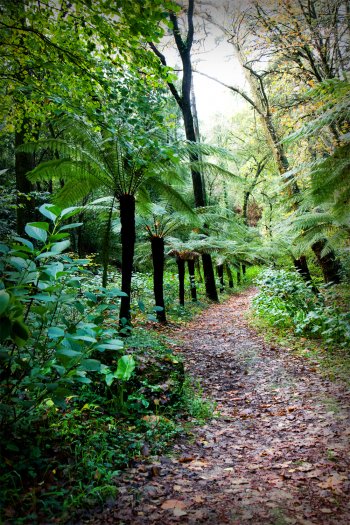
Antiga Sede das Águas do Luso / Sociedade da Água de Luso
- heritage
Rua Álvaro Castelões, 63
3050, Mealhada
Space, formerly the headquarters of the Luso waters, which today presents several exhibitions on the theme of mineral waters.
Museu Militar do Bussaco
- heritage
Almas do Encarnadouro
3050, Bussaco
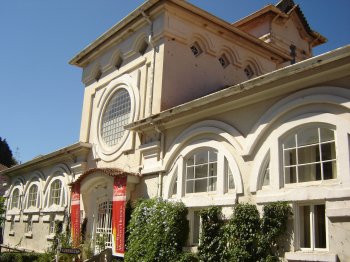
The Buçaco Military Museum was opened in 1910. Expanded and remodeled in 1962, it has valuable collections of weapons, uniforms and equipment used in the Battle, including an artillery piece with its respective garrison.
Muralhas do Castelo de Portalegre / Fortificações de Portalegre
- heritage
Rua 1º de Maio
7300-205, Portalegre
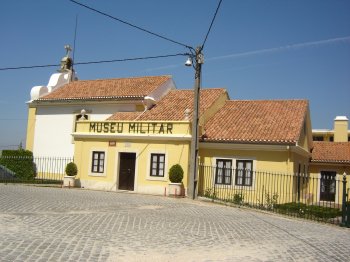
These walls, with two gates, were originally built in the 13th century. Later, in the 17th century, the bastioned fortification of the Portalegre enclosure was built.
Convento das Trinas de Mocambo
- heritage
Avenida de Santo António
7300-074, Portalegre
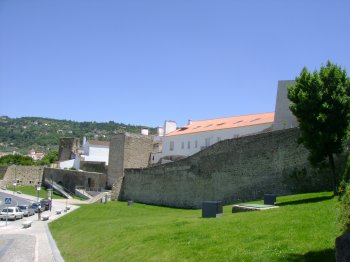
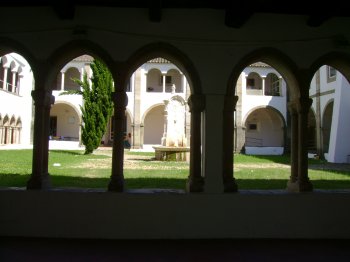
The first cloister consists of a vast landscaped quadrangle. At its center is a granite fountain dating from the 17th century. The two-story cloister has four double arches on each side, separated externally by dressed stone buttresses. The second cloister has an identical configuration, though smaller. The cloister vaults have molded ribs resting on carved cylindrical corbels.
Convento de Santa Clara / Biblioteca Municipal
- heritage
Rua de Elvas, 54
7300-126, Portalegre
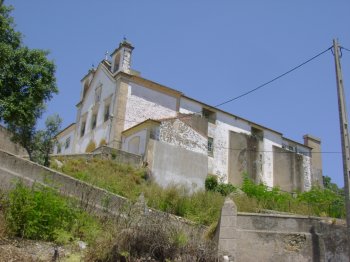
Convent built in 1376 by Queen Leonor Teles. It features primarily Gothic features, but also some Baroque and Renaissance details. It underwent renovations in the 16th, 18th, and 20th centuries. It currently houses the Municipal Library.
Museu Municipal de Portalegre
- heritage
Rua José Maria da Rosa
7300-110, Portalegre
The museum opened in 1918 and is located in a 16th-century mansion next to the Cathedral. After renovations, it reopened in 2012. The museum's museum program highlights the collection of Sacred Art and Faience. The Temporary Exhibition Room features an exhibition of paintings on Portalegre, featuring works by contemporary Portuguese painters such as Manuel d'Assumpção, João Tavares, Arsénio da Ressurreição, Benvindo Ceia, Abel Santos, and Miguel Barrias, among others.
Palácio Amarelo
- heritage
Largo Cristóvão Falcão, 13-15
7300-089, Portalegre
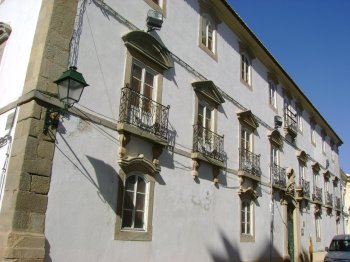
Built in the mid-17th century, the house underwent several alterations throughout the 18th and 19th centuries. Eleven windows with wrought-iron grilles remain from the original construction. The main door and the window above it date from the 18th century. Coats of arms of the residents can be seen on the corners of the building. Also noteworthy is the square, cornered turret with a mat roof and four windows, dating from the 19th century.