Explore the best places
Heritage in Portugal


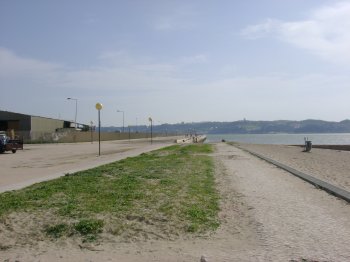
Passeio Marítimo de Algés
- heritage
Passeio Marítimo de Algés
1495, Algés
A spacious, calm, and pleasant space where you can stroll while admiring the ocean. Occasionally, concerts and festivals take place here. This is one of the best places to get some exercise.
Forte do Búgio
- heritage
Barra do Tejo
2780, Oeiras
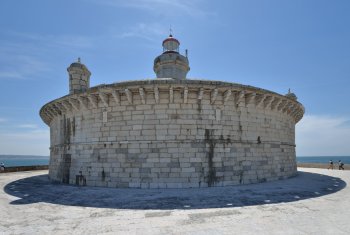
A Philippine-era fort located on the Tagus River, construction began in the 16th century. The first lighthouse was built there in the 18th century. This original circular fortress is an example of Renaissance fortresses.
Forte de São Bruno
- heritage
Avenida Marginal
2760, Oeiras
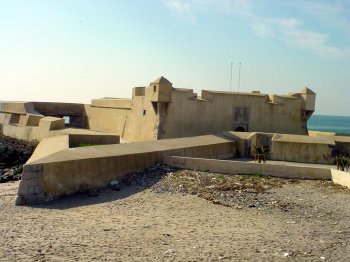
Built by King João IV in 1647, this fort was part of the defensive system of the Tagus River mouth. Over the centuries, it has been used and adapted in various ways, including as a customs post, a youth sailing center, and a youth hostel.
Forte de São Julião da Barra
- heritage
Passeio Marítimo de Oeiras
2780-267, Oeiras
This fort, built at a strategic point that allowed it to dominate the entrance to the bar, was one of the most important Portuguese military bases. It is one of the best-preserved forts and the most perfect example of its 16th-century type, originating from Italy. Its esplanades, vaulted casemates, and cistern are notable.
Palácio do Marquês de Pombal / Palácio dos Condes
- heritage
Largo Marquês de Pombal, 21
2780-289, Oeiras
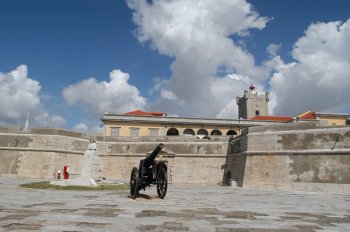
A Pombaline-style palace built in the second half of the 18th century, it served as a leisure estate for the Marquises of Pombal. Highlights include the chapel with 18th-century paintings, the tiles inside and out, two 18th-century statues by Machado de Castro, and the waterfalls in the gardens.
Museu da Pólvora Negra
- heritage
Estrada das Fontaínhas
2745-613, Barcarena
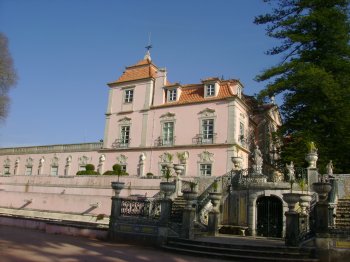
Museum located within the Barcarena Gunpowder Factory. It documents the methods used to manufacture black powder and the energy sources used throughout the factory's approximately 500-year history. Its collection is divided into Science/Technology, History, Military, and Industry categories.
Museu Municipal de Aljustrel - Núcleo Rural de Ervidel
- heritage
Rua do Poço
7600, Ervidel
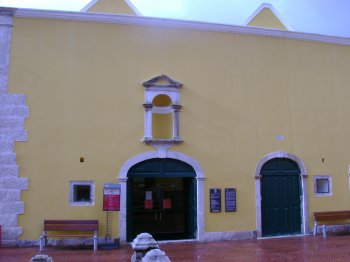
This museum is located in the premises of a former olive mill. The exhibits come from donations and collections made in the municipality of Aljustrel, as well as the acquisition of an ethnographic collection amassed by a farmer from Ervidel.
Museu Etnográfico da Messejana
- heritage
Rua do Espírito Santo
7600-338, Messejana
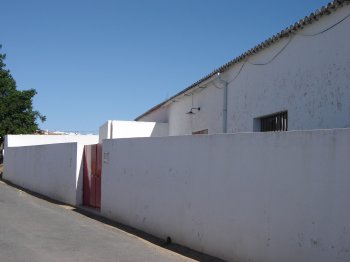
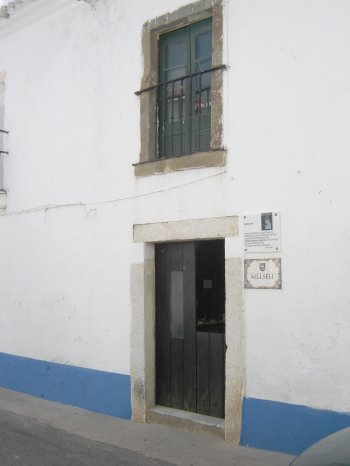
The museum features a room that recreates the office of Soares Victor, an illustrious native of the region, and the pitchers used by Francisco Manuel Bartolomeu, the last water carrier of Messejana. It also features reconstructions of parts of typical Alentejo homes, such as the kitchen, pantry, bedroom, and sewing room.
Igreja de Nossa Senhora da Assunção
- heritage
EN1082
7600-075, Messejana
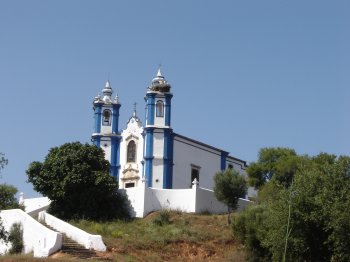
The Church of Our Lady of the Assumption, with its Baroque architecture and longitudinal layout, features two bell towers and continues to be one of the main attractions of the village of Messejana.
Igreja da Misericórdia de Aljustrel
- heritage
Rua da Misericórdia, 2
7600-067, Aljustrel
Chapel with Mannerist and Rococo architecture. The style is typical of Misericórdia churches in the Mannerist period. The altarpiece and chancel decoration feature mortar elements.