Explore the best places
Heritage in Portugal


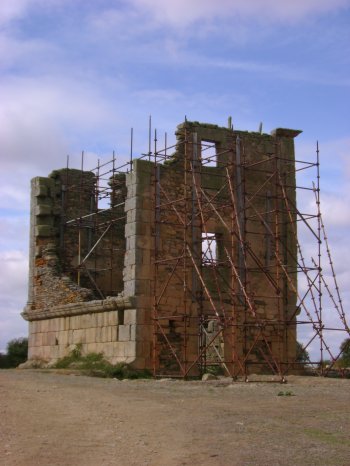
Ruínas de Almofala / Casarão da Torre / Torre das Águias / Torre dos Frades
- heritage
EM604
6440, Figueira de Castelo Rodrigo
An ancient Roman temple, probably built in the 2nd century, believed to have been inspired by the Temple of Julius Caesar in the Roman Forum. Later, it underwent modifications to adapt it as a military watchtower.
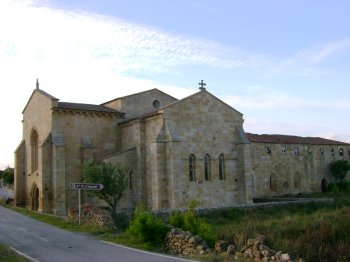
Convento e Igreja de Santa Maria de Aguiar
- heritage
EM607
6440-032, Figueira de Castelo Rodrigo
It constitutes a beautiful example of early Gothic architecture, in the simplicity of the plastic lines that characterized the sobriety of the buildings occupied by the Cistercian Order, evident here in the clean and austere façade. It was commissioned in 1174 by King Afonso Henriques, who donated it to the Order. In addition to the beautiful church of sober architecture, interrupted by a Baroque high altar from 1636, which displays images of St. Benedict and St. Bernard, the monks' wing is preserved, with the sacristy and the Chapter room, a wall of the refectory and the guesthouse building where a …
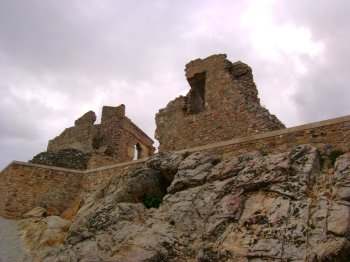
Muralhas do Castelo e Palácio de Cristóvão de Moura
- heritage
Largo do Pelourinho, 1
6440-031, Figueira de Castelo Rodrigo
King Dinis ordered the construction of these walls and the castle, composed of crenellated walls, turrets, a large keep, moats, and a barbican. In 1580, during the Philippine occupations, the castle suffered considerable damage. Thirteen turrets and three gates are preserved, one of which is the Gate of Treason. Of particular note are the turrets, the ruins of the Palace of Cristóvão de Moura, and the urban layout within the walls.
Torre Solar dos Metelos
- heritage
Rua do Fundo do Lugar, 4-6
6440-201, Figueira de Castelo Rodrigo
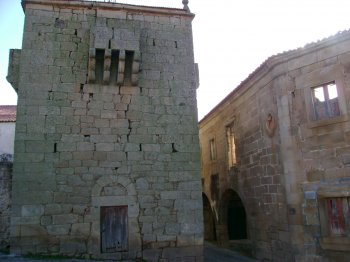
A 15th-century granite residential tower, consisting of a square plan with balconies resting on corbels. Subsequent works established a connection to the adjacent manor house.
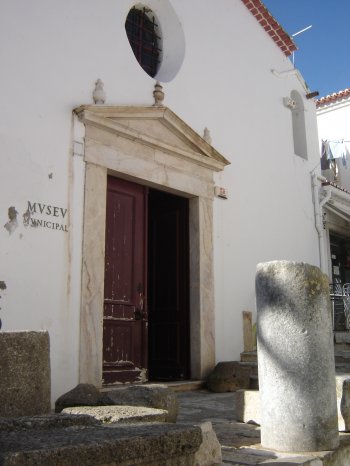
Museu Municipal Pedro Nunes
- heritage
Rua do Município - Praça Pedro Nunes
7580, Alcácer do Sal
Founded at the end of the last century, it displays archaeological collections from the municipality of Alcácer do Sal, from prehistory to the present day. The exhibited objects from the Iron Age and the Roman period are particularly noteworthy.
Igreja Matriz de Santa Susana
- heritage
Rua 1º de Maio, 25
7580, Santa Susana
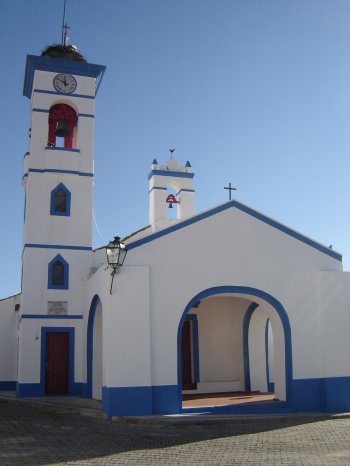
The church has a longitudinal floor plan composed of the unequal rectangles of the nave and chancel. Of particular note are the 16th-century mural paintings in the chancel and the panel paintings of the main altarpiece, attributed to the Master of Lourinhã.
Ermida de Nossa Senhora do Bom Sucesso
- heritage
Torrão
7580, Torrão
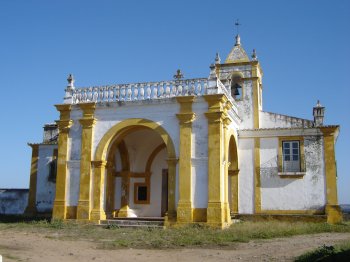
This is a typical Alentejo chapel, with a Baroque style, which took two centuries to build. Its origins date back to the reign of King John V.
Stupa Tashi Gomang
- heritage
EN253 - Centro de Retiros Herdade Corte Pereiro
7580-706, Alcácer do Sal
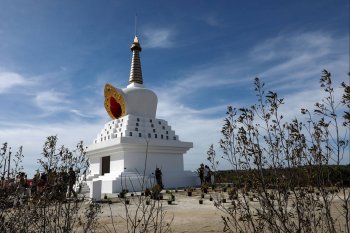
The Stupa Tashi Gomang, a temple belonging to the Guhya Mantrika Buddhist community, is located in the Santa Susana Retreat Center in Alcácer do Sal. It is one of the largest Buddhist temples in the Western world, standing 16 meters tall with an internal temple measuring 36 square meters, prepared for rituals, ceremonies, and lectures. Among the materials used in its construction, Alentejo marble stands out. The decoration, particularly the statues, originates from Tibet and Nepal.
Igreja do Senhor dos Martíres
- heritage
Alcácer do Sal
7580, Alcácer do Sal
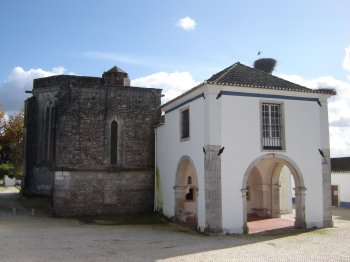
This is one of the oldest Christian temples in the country and stands out for the mysterious shapes and insignia carved into its walls and the succession of artistic periods, evident in the distinct chapels that open from the central body of the temple.
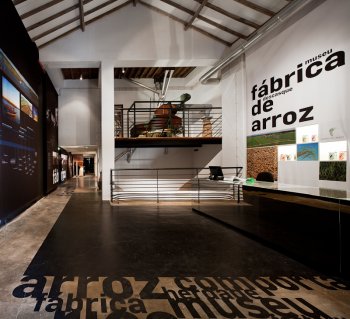
Museu do Arroz
- heritage
Herdade da Comporta
7580-610, Alcácer do Sal
The museum space operates in the building of the former rice husking factory, located between the floodplain and the mangrove swamp. On the ground floor, in the boiler room, a film produced with former workers linked to rice production is shown, and tools are on display. On the other floors are the machinery, such as silos, bagging wheels, rice storage facilities, and rice gauges. On the top floor, there is a room where photographs are exhibited and which is also a space for artistic events, such as exhibitions or shows.