Explore the best places
Heritage in Portugal


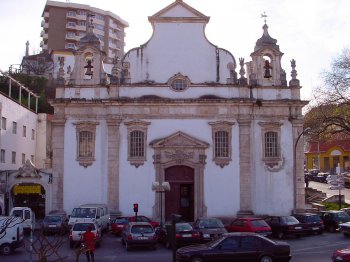
Igreja do Espírito Santo
- heritage
Largo Alexandre Herculano, 18
2410-083, Leiria
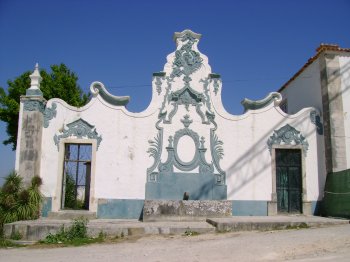
White church with stone door-posts at the doors and windows. It has two lateral bells. It has a beautiful baroque front.
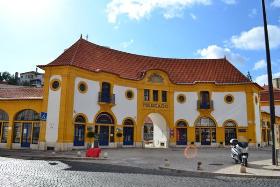
Edifício do Antigo Mercado de Leiria/ Mercado de Sant'Ana
- heritage
Largo de Santana
2400-137, Leiria
Edifício projectado por Ernesto Korrodi, construído em 1929. Depois de sofrer obras de recuperação, funciona como centro cultural.
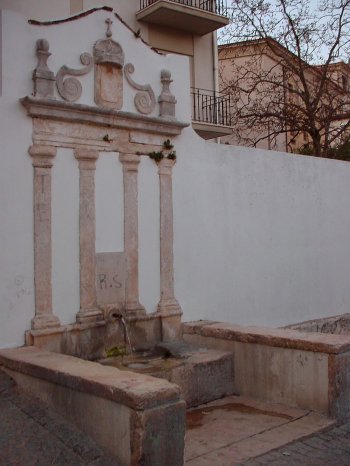
Fonte Freire
- heritage
Rua José Estevão
2400, Leiria
A baroque fountain, picturing the civil architecture of the XVIII century.
Padrão de São Francisco
- heritage
Rua dos Mártires
2400, Leiria
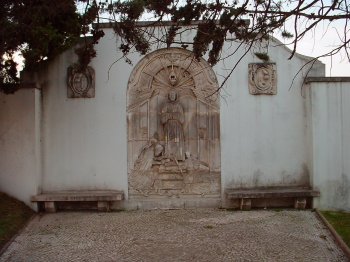
Stone image of Saint Francisco, wearing a habit. It has a figure of two acolytes holding candles. The stone monument is sided by two coat of arms with a pine and a crow.
Convento de Nossa Senhora da Assunção
- heritage
Rua Tenente Valadim
2410-190, Leiria
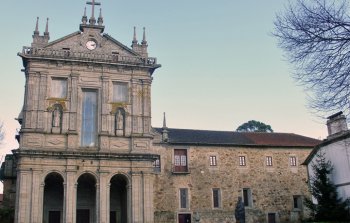
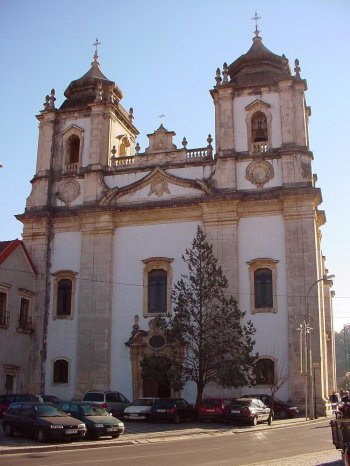
Its construction began in the XVI century and finished only in the XVIII century. Worthy of notice are the Convent cloister and the baroque front sided by two towers.
Igreja Paroquial de Santiago
- heritage
Rua Padre Manuel da Silva
2415, Marrazes
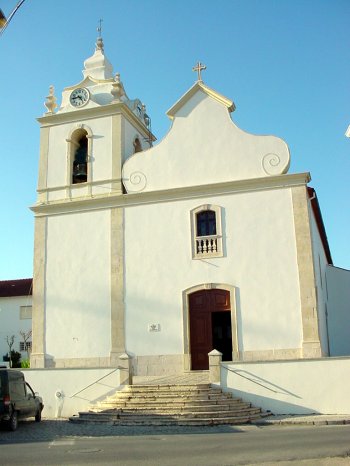
Church dated from 1828, with a single nave, chapel and frontispiece with a bell tower. Inside are worthy of notice the choir, the lateral chapels and the baptistery.
Fonte Nova / Fonte dos Namorados
- heritage
Rua Comissão de Iniciativa
2400, Leiria
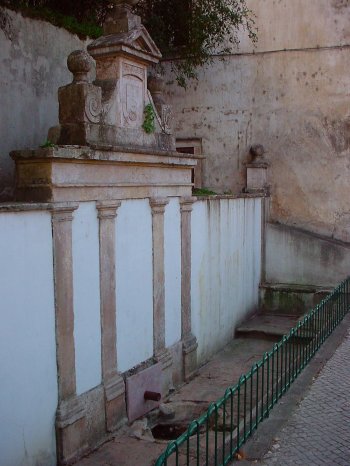
A XVI century fountain that characterizes the neoclassical civil architecture. Worthy of notice are the triangular fronton and the coat of arms.
Chafariz de Dom João V
- heritage
Largo do Santuário
2510, Óbidos
Fountain of backrest with a rectangular tank, to denote a Rococo architecture. It was built in 1742\/49 thanks the alms of the faithful and the donations of Dom João V.
Capela do Senhor da Pedra
- heritage
Alameda do Senhor da Pedra
4405, Gulpilhares
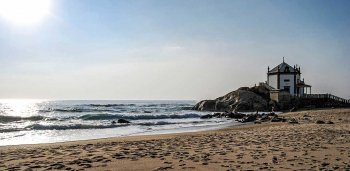
This 18th century chapel with a hexagonal plan stands out for being located right on the sandy beach of Miramar. It was built in 1686 on a rock and is considered a place of worship and pilgrimage, namely through the Pilgrimage of Domingo da Santíssima Trindade, one of the largest and most charismatic in the county.
Mosteiro de Grijó
- heritage
Alameda do Mosteiro Grijó
4415-998, Vila Nova de Gaia
The primitive monastery, called Monastery of São Salvador de Grijó, was founded in 922 in the place of Muraceses. It was only in the year 1112 that it was moved to its current location. In 1770 the convent was extinguished, passing its assets to the Convent of Mafra. Of note are the gilded carvings and the 18th century tiles in the chancel, as well as the pipe organ, from the end of the 18th century and beginning of the 19th century. Also noteworthy is the tomb of D. Rodrigo Sanches, classified as a National Monument.