Explore the best places
Monuments in Setúbal


Convento de Jesus / Museu de Setúbal
- heritage
Largo Miguel Bombarda
2900-261, Setúbal
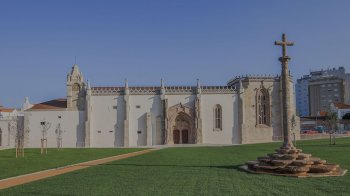
The convent was founded by Justa Rodrigues Pereira, wet nurse of King Manuel I, in 1490, during the reign of King John II. This monarch, who visited the construction the following year, decided to expand the initial project. He entrusted the construction to Diogo Boitaca, the first architect of the Jerónimos Monastery, who carried out his first work in the country here. The convent has a beautiful portal and Manueline windows. Inside, the beautiful twisted columns of the hall church, which belonged to the convent of the Franciscan Poor Clares, deserve special mention. Because they belonged to a cloistered order, …
Convento da Arrábida
- heritage
Rua de São Lourenço
2925, Azeitão
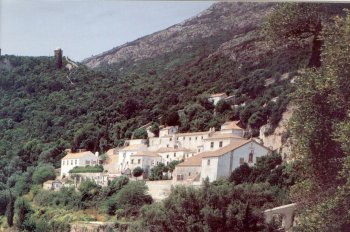
Commissioned in 1542 by Friar Martinho de Santa Maria, the Convent presents an austere architecture, being practically devoid of ornamentation. Inside, the only noteworthy features are sculptures of saints and Christs, made of terracotta and wood, placed in niches, the tiles that adorn the chapels, and also the inlaid work composed of small stones mixed with shells and shards of earthenware, used in the decoration of fountains, walls, and chapels. The ceramic and wooden sculptural pieces, stonework and flagstones, painted ceilings, and gilded woodcarving stand out. Over the centuries it underwent several renovations, and in 1863 it was acquired by …
Palácio da Bacalhôa
- heritage
EN10
2925-901, Azeitão
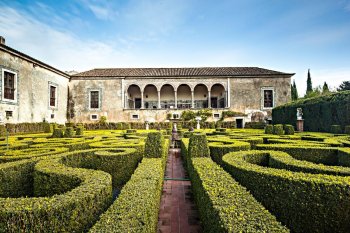
A 15th and 16th-century building that belonged to the family of Afonso de Albuquerque, Viceroy of India. Together with its gardens and loggia, it forms one of the most important examples of civil architecture of the time. Of particular note is its significant collection of tiles. Its wines, Quinta da Bacalhôa and the Bacalhôa Palace, are very famous throughout the country.
Igreja de Santa Maria da Graça - Sé de Setúbal
- heritage
Rua Dr. Antônio Joaquim Granjo, 31 - 1º Esq.
2900-232, Setúbal
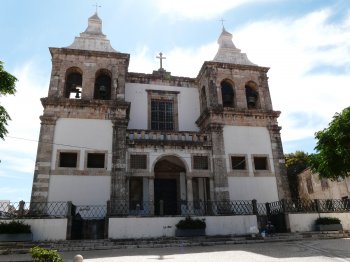
A building of medieval origin, dating from the 13th century and completely rebuilt in the 16th century. The 16th-century façade of this church, dedicated to Santa Maria da Graça, features two prominent bell towers. Inside, the fine examples of 18th-century tilework and gilded woodcarving are noteworthy.
Castelo de São Filipe / Forte de São Filipe
- heritage
Estrada Castelo de São Filipe
2900, Setúbal
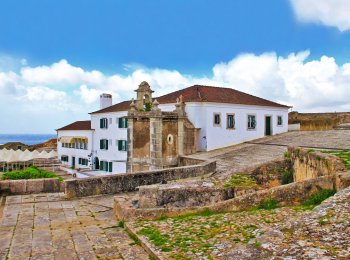
Located about 1 km from Setúbal, the fortress stands overlooking the sea. Without any towers, the fortress contained a group of buildings, most notably the governor's residence and the church. The interior of this church is covered with tile panels dating from 1736, depicting scenes from the life of St. Philip.
Igreja de São Julião / Igreja Matriz de Setúbal
- heritage
Praça do Bocage, 135
2900-349, Setúbal
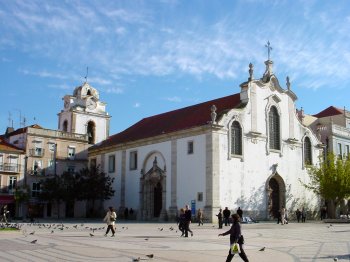
The main and side facades of this church feature imposing Manueline portals dating from the 1513 renovation. Inside, the highlight is the three naves adorned with 18th-century tile panels.
Forte de Santiago do Outão / Farol do Outão / Hospital Ortopédico do Outão
- heritage
EN379
2900, Outão
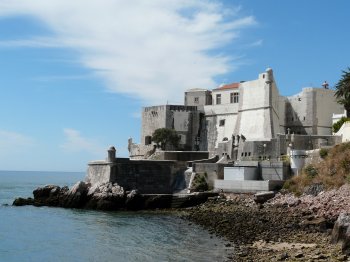
Fort located at the foot of Serra da Arrábida. Its tower is dated from 1390. In 1572 it suffered enlarging works and was completely remodelled after the Restoration War. The chapel, covered with glazed tiles from the XVIII century, is worthy of notice. In the XIX century it was a prison and later the holydays residence of King D.Carlos and Queen D. Amélia. In 1909; it became a hospital for orthopaedic diseases and maintains its function until today.
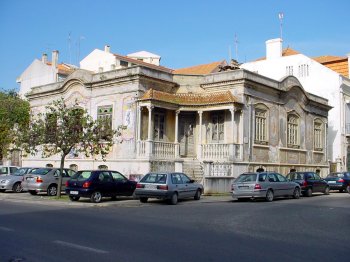
Palacete da Avenida dos Combatentes da Grande Guerra
- heritage
Avenida dos Combatentes da Grande Guerra
1900, Setúbal