Convento da Arrábida
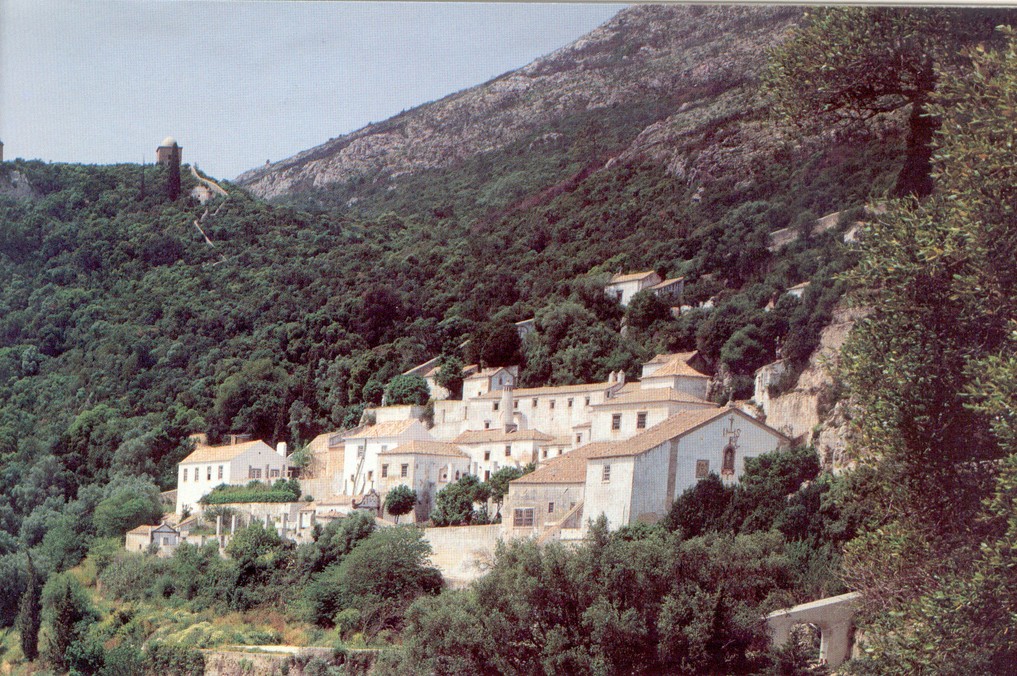
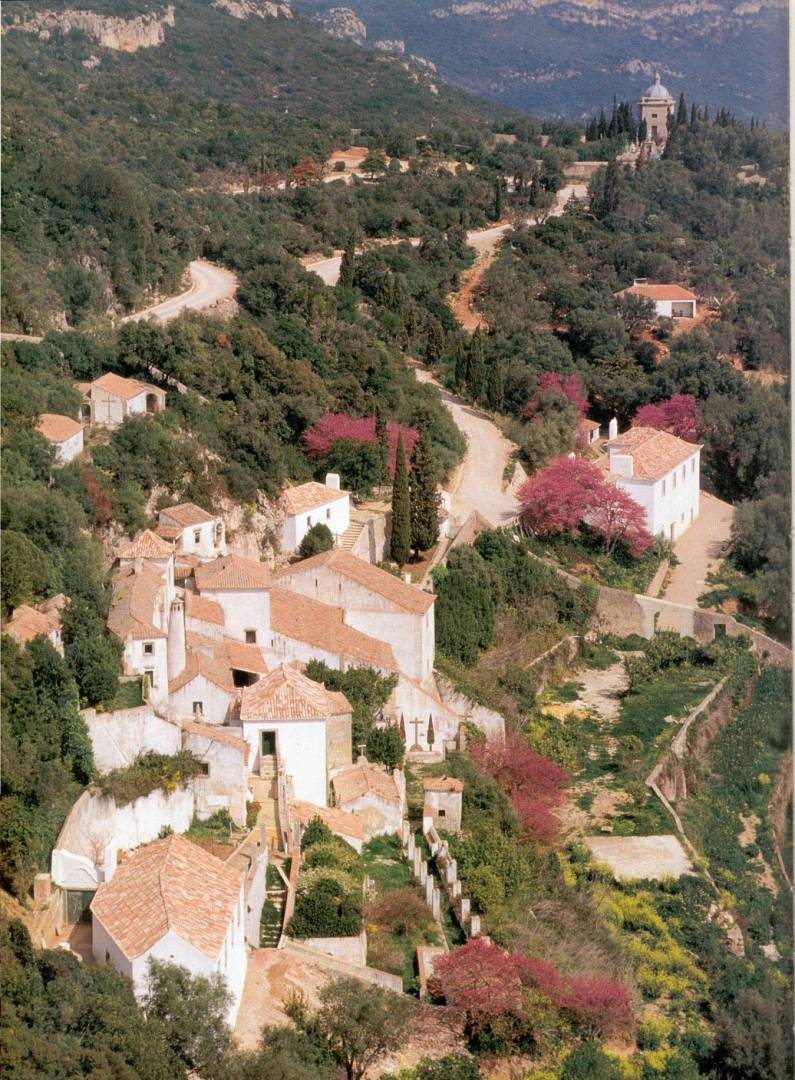
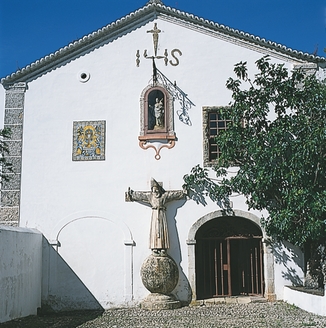
Commissioned in 1542 by Friar Martinho de Santa Maria, the Convent presents an austere architecture, being practically devoid of ornamentation. Inside, the only noteworthy features are sculptures of saints and Christs, made of terracotta and wood, placed in niches, the tiles that adorn the chapels, and also the inlaid work composed of small stones mixed with shells and shards of earthenware, used in the decoration of fountains, walls, and chapels. The ceramic and wooden sculptural pieces, stonework and flagstones, painted ceilings, and gilded woodcarving stand out. Over the centuries it underwent several renovations, and in 1863 it was acquired by the House of Palmela. This monument covers 25 hectares, where the Old Convent is located, with four chapels, the set of turrets for the veneration of the mysteries of the Passion of Christ, and some cells carved into the rocks; The New Convent, the Garden and the Sanctuary of Bom Jesus, and also, adjacent to the convent but independent, the Duke of Aveiro's apartments and the houses where pilgrims were lodged. In 1990 it was sold to the Oriente Foundation and is integrated into the Network of European Cultural Centers located in historical sites.
Visits to the convent are conducted from Wednesday to Sunday, by appointment.
Contacts
Rua de São Lourenço
2925,Azeitão
- tel:212197620212197620
- email: [email protected]
- website: https://www.foriente.pt/a-fundacao/convento-arrabida
- 5.00€
- Cash
- Private parking
- Convents & Monasteries