Explore the best places
Villages in Sabugal


Sortelha
- country
- heritage
Sortelha
6320, Sabugal
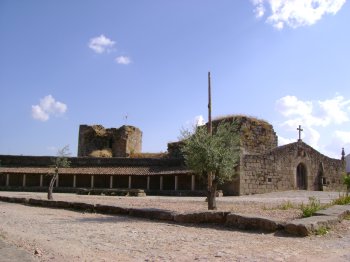
Sortelha, located on a high rocky hill at an altitude of over 760 meters, is one of the oldest villages in the country. With excellent defensive conditions, it was initially inhabited by Castro cultures and, much later, populated by King Sancho II. Of the medieval castle, which underwent several transformations, some defensive towers, the keep, and, along the walls, some Gothic gates remain. Of particular note is the parish church, dating from the 14th century, with Baroque carvings on the main altar from the 18th century.
Quarta-Feira
- country
- heritage
Quarta-Feira
6320, Sabugal
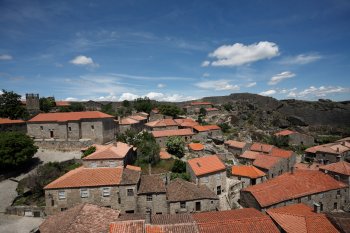
Located on a foothill, this is one of the old villages in the parish with strong rural and cultural traditions. The majority of the inhabitants are farmers. A special note to the local craftswork, such as the Arroiolos tapestries, the linens, the flutes and the stone sculptures.
Vilar Maior
- country
- heritage
Vilar Maior
6320, Sabugal
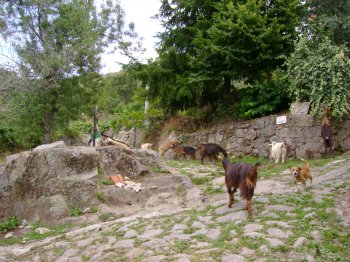
The castle of the old town is located at its highest point and stands out in all the surrounding areas. An old 16th century engraving, of Duarte D'Armas, shows the thre areas of the time. A special not to the pillory, the houses with coats of arms, the old bridge and the gallows.
Vila do Touro
- country
- heritage
Vila do Touro
6320, Sabugal
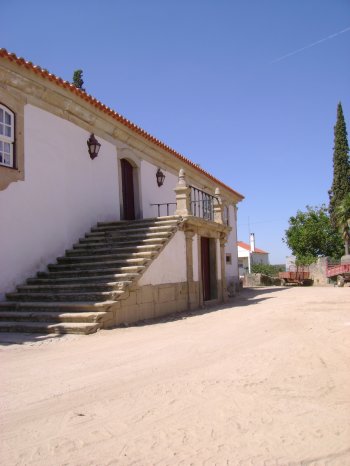
Donated to the Templars by Dom Afonso II, this village still has some important military features. There are just a few vestiges of the old castle. Currently, the village is divided in three areas: castle, calvary and the collective fields, still widely occupied. A special note to the walls of the old castle and of the citadel, the mother church, the 16th century mother church, with a Renaissance pulpit, the Hermitage of Saint Lázaro, the manuelin window and the 16th century granite pillory.
Sabugal
- country
- heritage
Sabugal
6320, Sabugal
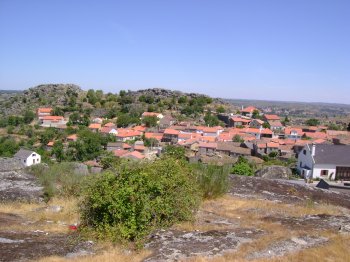
Located on the right bank of the Côa river, to the north of the Malcata mountain, it became a part of the Portuguese territory in 1296 as a result of the Treaty of Alcanices. The area insid the walls still has some of the original features and is a valuable cultural heritage. Among the several monuments, the castle and the walls, the mother church, the romanesque-gothic church of misericórdia and the medieval bridge on the Côa river stand out.
Alfaiates
- country
- heritage
Alfaiates
6320, Sabugal
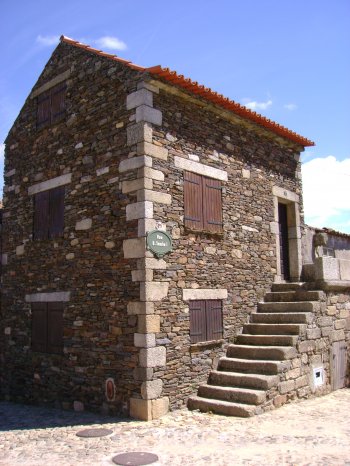
Located on a foothill, it was important for the country's defenses during the independence struggles. It became a part of Portugal during the reign of Dom Dinis. Inside the walls, it still has its architectural geommetrical patterns, a bit unique in the Middle Ages. A special note to the ruined castle, classed as a National Monument, the church and the pillory. The local craftswork includes the manufacturing of chairs.