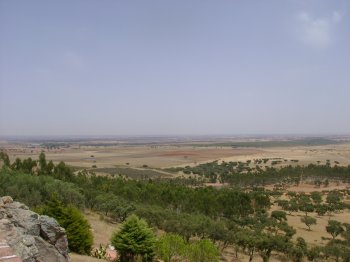
Explore the best places


Quinta e Casa do Prado
- heritage
Avenida da República
4890-220, Celorico de Basto
A noble house with multiple facades and beautiful gardens, one of the most beautiful in this town. Built to take advantage of the steep slope of the land, it features several facades of very different configurations, all painted yellow. Its style is very similar to that developed by architect Raul Lino in the 1900s, with the "old Portuguese house."
Mosteiro de São Bento de Arnóia / Mosteiro de São João de Arnóia
- heritage
Lugar do Mosteiro, 6
4890-036, Arnóia
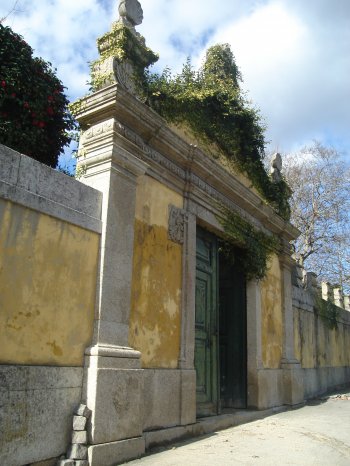
Benedictine monastery consisting of a longitudinal church, a single nave, and a quadrangular chancel. Among the church's decorative elements, highlights include a sculpted tympanum depicting Agnus Dei and a figure of Saint Michael attacking a serpent. The monastery still preserves the cell where the Bishop of Grão-Pará lived following his exile by the Marquis of Pombal.
Castelo de Arnóia
- heritage
Castelo
4890-020, Arnóia
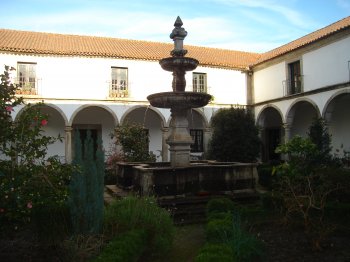
A castle built during the Romanesque period, it features elements characteristic of the period's military architecture, such as the keep crowned by battlements and a patrol path. Both its location within the territory and various documentary sources attest to its existence during this period. It is closely linked to the nearby Monastery of São Bento de Arnoia, where some Romanesque remains can be found.
Ermida de São Pedro das Cabeças
- heritage
São Pedro das Cabeças
7780-251, Castro Verde
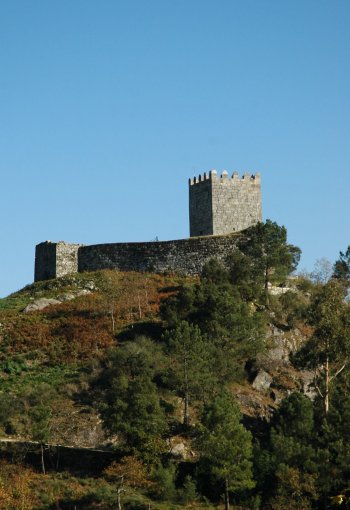
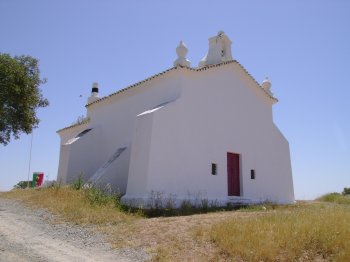
A Mannerist monument marking the site of the Battle of Ourique, believed to have taken place on July 25, 1139. It is a pilgrimage sanctuary, predominantly of 16th-century style, reflected in the construction of small, single-nave churches. It features a rounded triumphal arch supported by pilasters, and the main altar is made of wood with a masonry niche. According to legend, this chapel belongs to a group of seven sister chapels, all within view of each other: Our Lady of Amparo, in Mértola; Our Lady of Guadalupe, in Serpa; Our Lady of Cola, in Ourique; Our Lady of the Castle, …
Igreja da Misericórdia de Castro Verde
- heritage
Largo Victor Guerreiro Prazeres
7780-218, Castro Verde
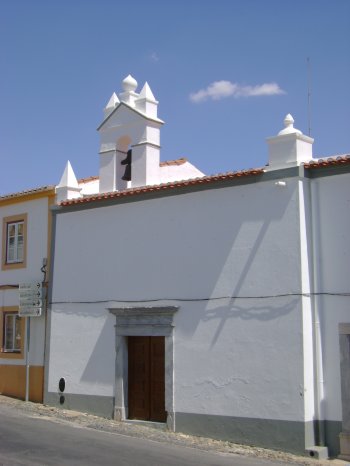
The church, built in the first half of the 16th century, features Manueline and Mannerist architecture. In the second half of the 18th century, it underwent extensive renovations, including the altarpiece, decoration of the chancel, arch, and vault. In the late 19th century, the choir was built, and the nave vaults were decorated. It now houses a nursing home.
Parque da Liberdade
- country
- leisure
Rua de José Gomes Ferreira
7780-102, Castro Verde
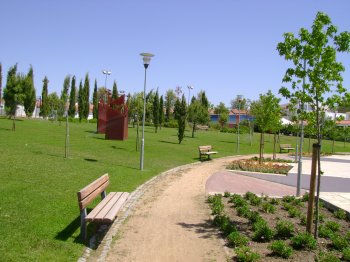
Large and pleasant green space with an outdoor amphitheater and several garden benches.
Museu da Ruralidade
- heritage
Rua de Santa Madalena
7780, Entradas
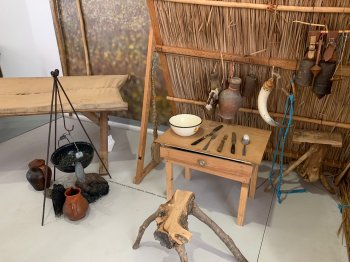
The Rurality Museum has three exhibition areas: a temporary exhibition area (where objects representing the region's rural life are on display), a temporary exhibition area (occupied by a blacksmith's workshop and some miniature agricultural implements) and the Orality Center, where it is possible to consult various documentation of the region's intangible heritage, with emphasis on the Castro Fair and the Campaniça guitar.
Núcleo Urbano de Castro Verde
- heritage
Praça da Liberdade
7780-160, Castro Verde
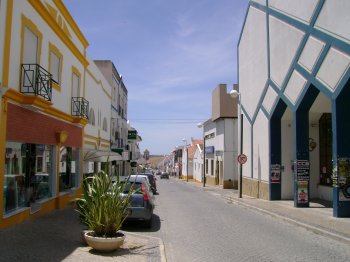
The Tourist Office organizes a tour that takes in Castro Verde's main attractions. By appointment, you can visit the Royal Basilica, the Lucerne Museum, and local crafts, among other attractions.
Sítio Arqueológico de São Pedro das Cabeças
- heritage
São Pedro das Cabeças
7780-251, Castro Verde
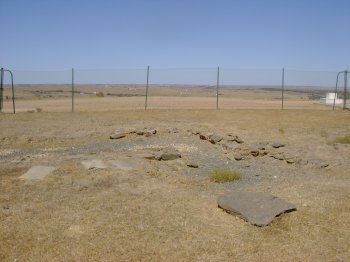
Archaeological remains date back to the Second Iron Age, 5th and 3rd centuries BC. The chronological period ranges from the Chalcolithic to the Roman period. It is also said that the Battle of Ourique took place in São Pedro das Cabeças.
Miradouro da Ermida de Aracelis
- country
- leisure
São Marcos da Atabueira
7780-504, Castro Verde
Located at an altitude of approximately 294 meters, this space offers views of the Alentejo plains. In winter, you can spot bustards.