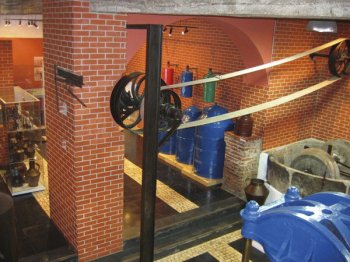
Explore the best places


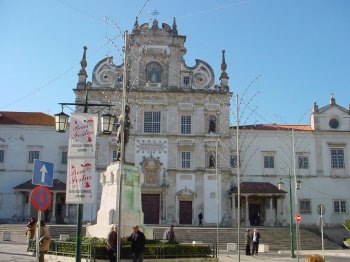
Sé de Santarém
- heritage
Praça Sá da Bandeira, 1
2000-135, Santarém
A national monument that stands out for its grandeur and architectural beauty. Dedicated to Our Lady of the Conception, it is believed to have been built between 1672 and 1711 by the Society of Jesus, later becoming the Patriarchal Seminary. It features a Mannerist façade and structure and a Baroque interior, with striking polychrome stone inlays, gilded wood carvings, and paintings on the ceilings of the nave and chancel. It has a 19th-century pipe organ and houses the Diocesan Museum.
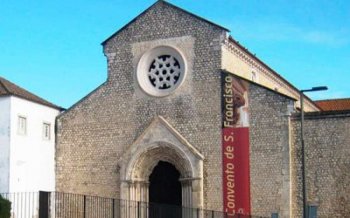
Igreja e Claustro do Convento de São Francisco
- heritage
Rua 31 de Janeiro
2000-142, Santarém
Built in the 13th century, it underwent several modifications over the years, its structure bearing marks of various styles such as Gothic, Baroque, Manueline, and Renaissance. Inside, one can observe high-quality decorative elements such as the Renaissance arch of the Chapel of Saint Anne or the Mannerist design of the Chapel of Souls. In the central nave, the upper choir stands out, where the tomb of King D. Fernando is located.
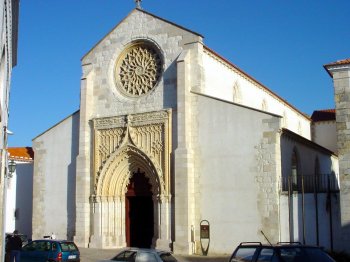
Igreja da Graça / Igreja de Santo Agostinho
- heritage
Largo Pedro Álvares Cabral
2000-109, Santarém
Built in the 14th and 15th centuries, it is one of the most striking examples of mendicant Gothic architecture in Santarém. The façade is worth admiring, particularly the rose window and the flamboyant portal, while the interior has three naves with pointed arches and two wings of columns with capitals ornamented with vegetal and anthropomorphic motifs. This national monument was once a convent of Augustinian friars and houses important tombs such as that of Pedro Álvares Cabral, the discoverer of Brazil.
Igreja de Santa Clara
- heritage
Avenida Gago Coutinho e Sacadura Cabral
2000-129, Santarém
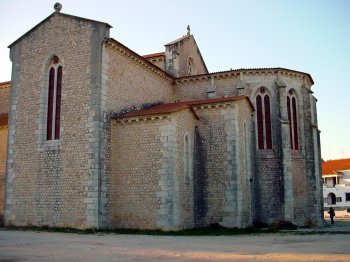
Built in the 13th century at the behest of King Afonso III, it is one of the largest and most emblematic monuments of mendicant Gothic architecture in Santarém. During the 17th century, it underwent several renovations that modified its form. Currently, the eight rows of tall Gothic columns adorned with frescoes and carved capitals stand out, with lighting provided by a rose window and several windows and slits. Inside, the Gothic tomb of the founding king's illegitimate daughter is a prominent feature.
Casa Museu Anselmo Braamcamp Freire
- heritage
Rua Braamcamp Freire
2000-094, Santarém
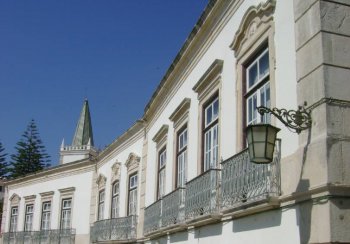
It is located on the first floor of the Municipal Library building, which originally housed the palace of the Barons of Almeirim, a characteristic Ribatejo mansion remodeled in the 19th century. This Museum Centre presents an important artistic and bibliographic collection, highlighting collections of painting, furniture, decorative art and sculpture, in addition to an interesting and unusual bookstore. Collections from the Camões Library and a collection of contemporary art can also be seen.
Museu Aberto de Campo Maior
- heritage
Largo do Barata, 9-C
7370-119, Campo Maior
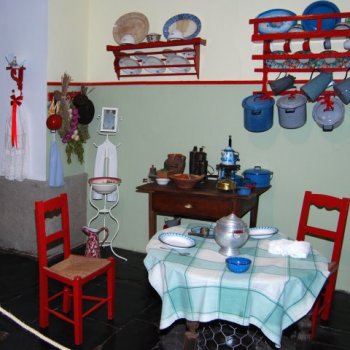
The Open-Air Museum is the ideal place to learn about the history of the municipality of Campo Maior and its people, from prehistory to the present day, without forgetting its ongoing connection with Spain.
Castelo de Ouguela
- heritage
EM373
7370-200, Ouguela
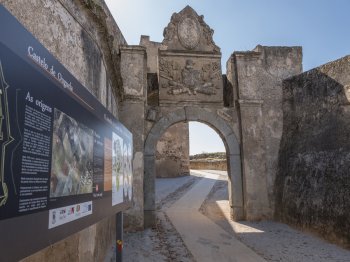
The castle was rebuilt by King Dinis in 1310 and underwent restoration work in the 18th century. Of the old fortification, situated atop a hill, only some sections of the wall and towers remain, in addition to the 17th-century fortifications, with escarpments, parapets, and ravelins, built during the Restoration War. The Church of Our Lady of Grace stands out, with its gable façade, framed straight lintel portal, and oculus. This castle is a characteristic example of the border fortresses of lowland regions, with a bastioned system determined by pyrotechnic artillery.
Piscinas Municipais de Campo Maior
- leisure
Avenida dos Bombeiros Voluntários
7370-035, Campo Maior
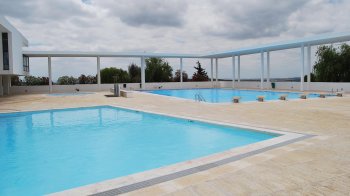
The Campo Maior swimming pool complex has one indoor and one outdoor pool.
Povoado Pré-histórico de Santa Vitória
- heritage
Campo Maior
7370, Campo Maior
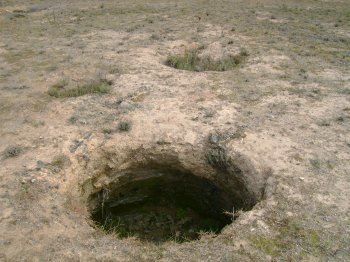
Prehistoric archaeological site, where excavations uncovered megalithic monuments.
Lagar-Museu
- heritage
Palácio Visconde d'Olivã - Rua de Olivença
7370-108, Campo Maior
A museum space inaugurated in 2005 that promotes and preserves the history of olive growing. It shows the process of cultivating and harvesting olives, up to their transformation into olive oil.