Explore the best places


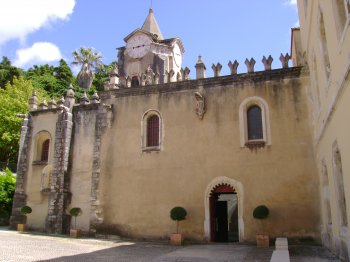
Ermida de São Sebastião
- heritage
Rua José Malhoa
2500, Caldas da Rainha
Chapel built at the end of the 15th century, having been renovated in the 18th century. The south façade boasts a stone with a sculpted rosette. Internally, it has a wooden ceiling in the nave and a vault in the chancel. Simple, rectilinear façades, covered with figurative tiles from the 17th century.
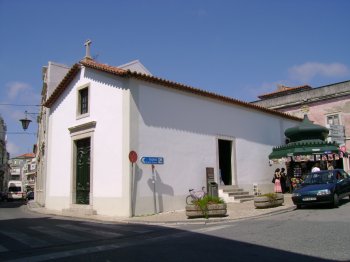
Casa Museu São Rafael
- heritage
Rua Rafael Bordalo Pinheiro, 53
2500-246, Caldas da Rainha
The museum is housed in the former workshop of Rafael Bordalo Pinheiro. Here you will find a vast collection of ceramics from the Bordalo Pinheiro Factory on display.
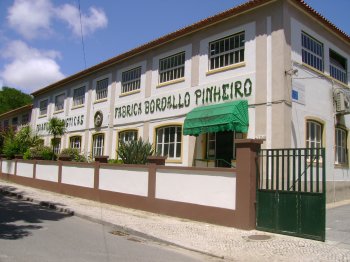
Museu do Ciclismo
- heritage
Rua de Camões, 57
2500-107, Caldas da Rainha
Opened in 1999, this museum presents a collection related to the history of cycling in Portugal.
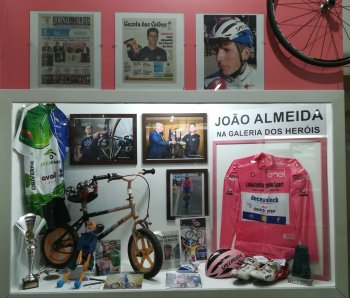
Termas das Caldas da Rainha
- beach
- leisure
Largo Rainha Dona Leonor
2500-176, Caldas da Rainha
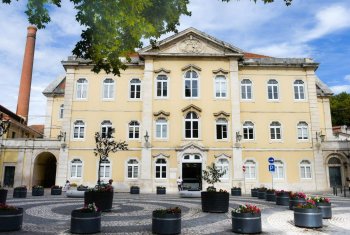
Founded in 1485 by Queen Leonor, the Caldas da Rainha Thermal Hospital is the oldest in the world, with five centuries of existence. Over the years, the Thermal Hospital has evolved in terms of the differentiation of its treatments. These medicinal waters are used to treat respiratory, rheumatic, and musculoskeletal diseases.
Praia da Foz do Arelho
- beach
Praia da Foz do Arelho
2500, Foz do Arelho
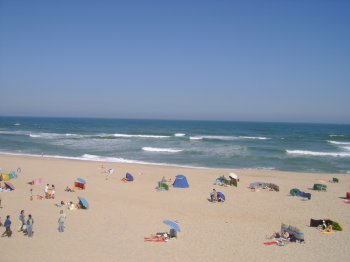
A very famous beach with beautiful scenery and good conditions. The most surprising thing upon arriving at Foz do Arelho is the confluence of the Óbidos lagoon with the ocean. You can choose between the rougher waters of the Atlantic or the tranquility of the Foz do Arelho lagoon, great for children. Of indescribable beauty, it's the ideal place for boat or canoe trips, fishing, and water sports; inland there's a sailing school and a windsurfing school. There are several restaurants, a lively nightlife, and street shops.
Chafariz das Cinco Bicas
- heritage
Rua do Diário de Notícias
2500, Caldas da Rainha
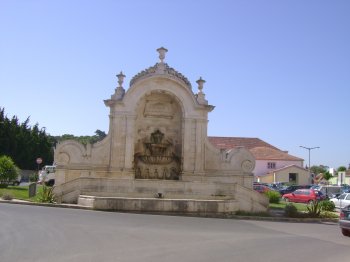
Fountain with a sharply carved stone back. The central body is topped by pinnacles and flanked by volutes. Water flows from five spouts into a niche with three superimposed bowls.
Museu do Hospital e das Caldas
- heritage
Rua Rodrigo Berquó
2500-246, Caldas da Rainha
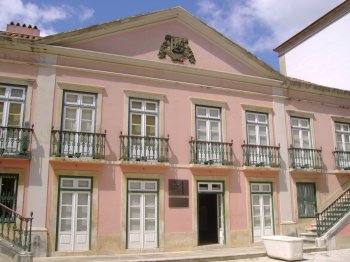
Housed in the former "Royal House" (so named because it was home to Queen Saint Isabel), this museum worked as a hospital for many years. In 1861, it underwent rehabilitation works, overseen by the engineer Pedro José Pezarat, and began serving as accommodation for the institution's directors and the royal family. In 1992, it underwent further renovations, transforming it into a museum.
Parque Dom Carlos I
- country
- leisure
Rua Doutor Manuel Freire da Câmara
2500, Caldas Da Rainha
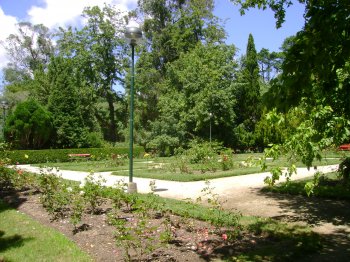
Formerly a garden supporting the Thermal Hospital, the D. Carlos I Park, a true green lung of Caldas da Rainha, has extensive trees and lawns. Since its inauguration in 1892, it has been considered a traditional public promenade in the city, both for its recreational aspect (the lake has recreational boats) and for its cultural aspect (the space next to the José Malhoa Museum is used for exhibitions).
Edifício do Hospital Termal Dona Rainha Leonor
- heritage
Largo Rainha Dona Leonor
2500-174, Caldas da Rainha
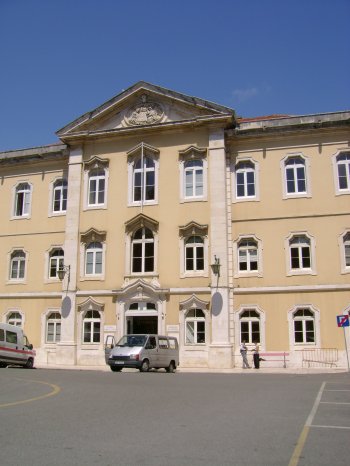
A building of Pombaline and Neoclassical architecture, with construction and repairs in the 15th, 18th, and 19th centuries. From early on, visitors were attracted by the British-style architecture of the thermal baths, where the largest structure is the Thermal Hospital. A complex dating from 1485, sponsored by the wife of King João II, Queen Leonor. It is considered one of the first works of what would later be called the "Manueline style".
Igreja Nossa Senhora do Pópulo / Igreja Matriz das Caldas da Rainha
- heritage
Largo Conselheiro José Filipe
2500, Caldas da Rainha
Manueline construction, built to be the chapel of the hospital founded by Queen Leonor. A single-nave church with a square chancel featuring a star-shaped vault. Highlights include the triumphal arch, the vaulted ceiling, the decorated bosses, the 16th-century wood paintings, the baptismal font, and the 17th-century tiles. Also noteworthy is the Mannerist altarpiece in stonework, within a triumphal arch, of Serlian influence.