Explore the best places


Villa Romana de Nossa Senhora do Tourega
- heritage
Nossa Senhora do Tourega
7000, Évora
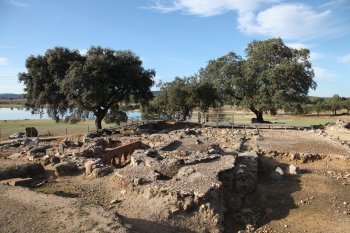
This Roman villa is located on a small hill, next to the Valverde stream, 12 kilometers from Évora. The ancient municipal headquarters, Ebora Liberalitas Iulia, was located there. To the east of the building there is a large tank whose main function would have been to store water to supply the thermal baths.
Capela dos Ossos
- heritage
Praça 1º de Maio, 4
7000-650, Évora
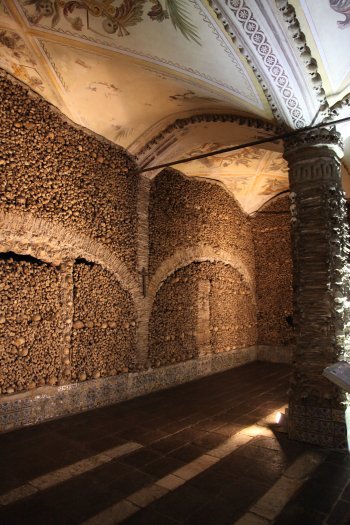
One of Évora's symbols, the Chapel of Bones is located inside the Church of São Francisco and was built in the 17th century. The walls, lined with bones and skulls, estimated at 5,000, aim to convey the message of the transience of life.
Cromeleque dos Almendres
- heritage
Herdade dos Almendres
7000, Évora
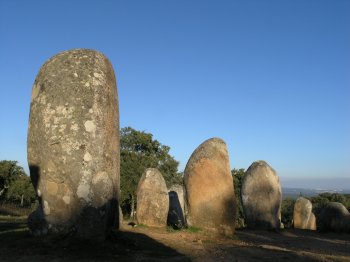
A cromlech characteristic of the megalithic architecture of the Évora region. It consists of two sets of menhirs arranged in concentric circles. It is classified as a Property of Public Interest.
Aqueduto da Água da Prata
- heritage
Rua José Maria Correia, 4
7000, Évora
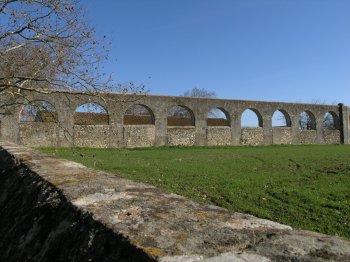
This is a Renaissance work, designed by Francisco de Arruda. It is an aqueduct of granite construction, featuring a tower with the image of a saint.
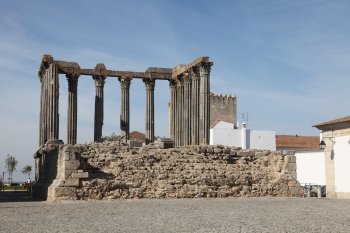
Templo Romano de Évora / Templo de Diana
- heritage
Largo Conde Vila Flor
7000, Évora
The Roman temple of Diana is the true landmark of the city of Évora. It is composed of 14 granite columns, with bases and capitals made of Estremoz marble. It was erected in the 1st century, during the time of Augustus, and destroyed during the 5th century, during the barbarian invasions. However, its ruins continued to be used over time.
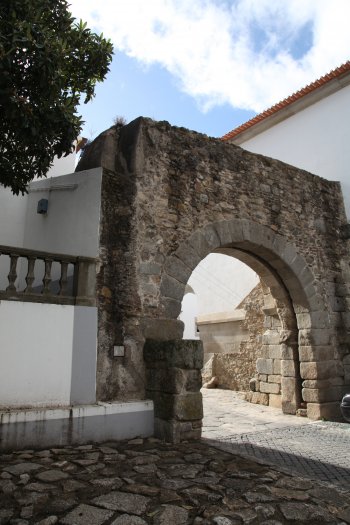
Arco Romano de Dona Isabel
- heritage
Rua de Dona Isabel
7000-880, Évora
The Roman Arch of Dona Isabel corresponds to one of the gates of the former Roman city of Évora. It is classified as a National Monument and is part of the UNESCO World Heritage area.
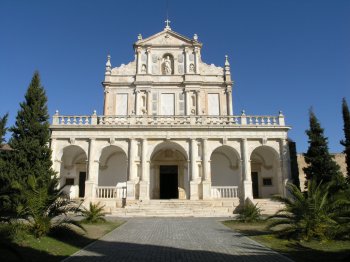
Mosteiro da Cartuxa
- heritage
Rua Cândido dos Reis
7000-582, Évora
This 16th-century convent preserves its two-story, rectangular cloister. The church, designed by Afonso Álvares, has a single nave covered in tiles. Of particular note are a tombstone and a 16th-century sculpture representing Saint Bacchus.
Sé de Évora
- heritage
Largo do Marquês de Marialva
7000-809, Évora
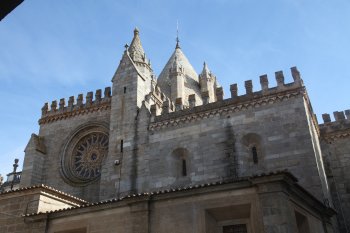
La Catedral de Évora es una construcción románico-gótica de los siglos XII-XIII. Es un imponente templo de tres naves con un claustro de arco apuntado del siglo XIV. La entrada principal está decorada con esculturas que representan a los apóstoles. El interior es de los siglos XVII y XVIII. Aquí se encuentra el Museo de Arte Sacro.
Castelo de Valongo
- heritage
Herdade da Grã
7005, Évora
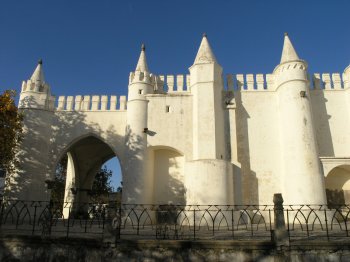
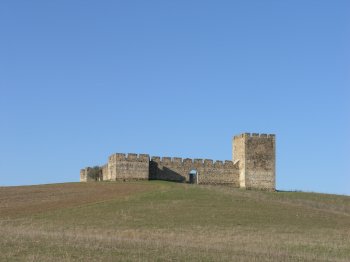
Medieval castle dating from 1283. In the 15th century, the keep underwent some alterations and, in the 19th century, it was acquired by its current owners. The architecture is both civil and military, with Gothic and Manueline influences.
Ermida de São Brás
- heritage
Avenida Doutor Francisco Barahona, 1
7005-150, Évora
It is a 15th-century temple, built on the initiative of King João II. The narthex is made up of Gothic arches, faithfully representing the original temple. Inside, one can see some painted panels above the main altar, two of them illustrating the life of Saint Blaise.