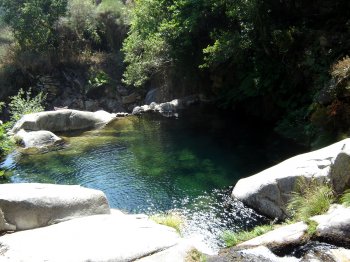
Explore the best places
Country in Portugal


Parque dos Poetas
- country
- leisure
EN2
8150, São Brás de Alportel
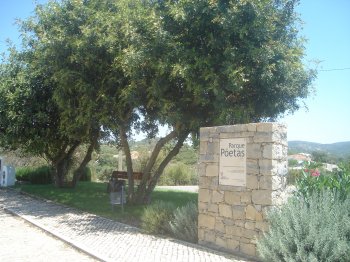
Parque dos Poetas is a secluded and peaceful place, with trees and grassy areas. It offers beautiful views and is ideal for relaxing in peace and quiet.
Miradouro do Alto da Arroteia
- country
- leisure
Alto da Arroteia
8150, São Brás de Alportel
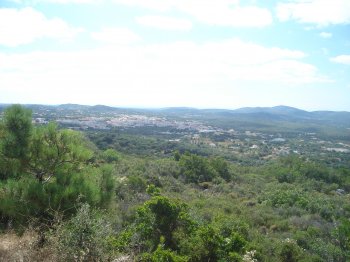
A lookout point located at an altitude of 368 meters. This leisure area offers views of the mountains and the sea, in one of the most beautiful landscapes in the Algarve's interior.
Miradouro das Castanhas
- country
- leisure
São Brás de Alportel
8150, São Brás de Alportel
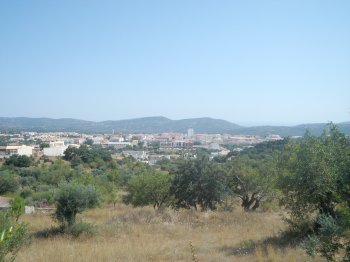
The Castanhas Viewpoint is located at an altitude of 330 meters. From here, you can see the village and the sea. It's a perfect spot for leisure and relaxation.
Parque da Serra
- country
- leisure
Parises
8150, São Brás de Alportel
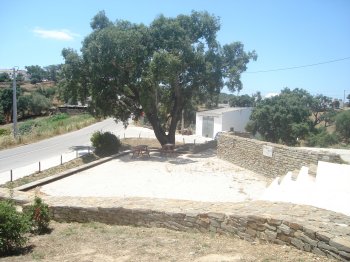
This unique park, with a large, centuries-old tree, offers a pleasant space with wooden tables and benches. It's ideal for gatherings with friends and family.
Poço da Gola
- beach
- country
Largo da Feira
3660, Manhouce
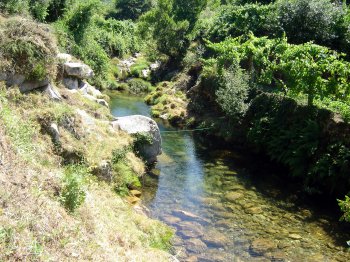
Small artificial dam, which receives the pure water that comes down from Serra Amarela, being fed by two waterfalls: Saxoeira and Gola.
Bioparque de Carvalhais
- country
- leisure
Parque Florestal do Pisão
3660-061, Carvalhais
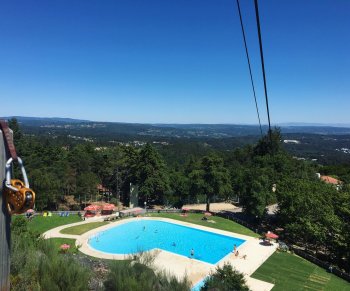
The Biopark is located in the Pisão Forest Park, a landmark of São Pedro do Sul. The facilities allow for a variety of activities in close contact with nature and tradition. These include a picnic area, a campsite, a forest park, swimming pools, lakes, a playground, nature trails, water mills, a variety of sports and leisure activities, and other useful services. Overnight stays are also available in the bungalows.
Pena
- country
- heritage
Pena
3660, Pena
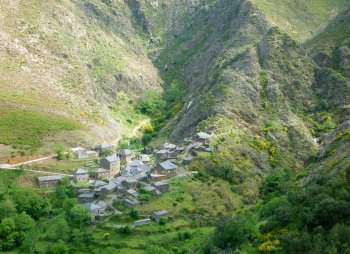
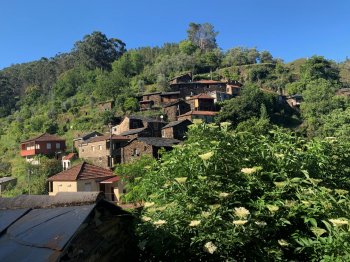
A village located in a deep valley in the Gralheira mountain range. The houses are traditional, built of schist. The population is dedicated to pastoralism and agriculture, particularly irrigated crops, particularly corn. This town is one of the best-preserved small, typical villages. It has only ten houses and half a dozen inhabitants.
Fujaco
- country
- heritage
Fujaco
3660, Fujaco
Surrounded by a fertile, humid, sloping, and very narrow valley, this village is characterized by its small, schist houses and narrow alleys that give it a typical atmosphere. Along with Aldeia da Pena, this village is one of the most visited settlements in the municipality of São Pedro do Sul.
Miradouro de São Pedro do Sul
- country
- leisure
EN16
3660, São Pedro Do Sul
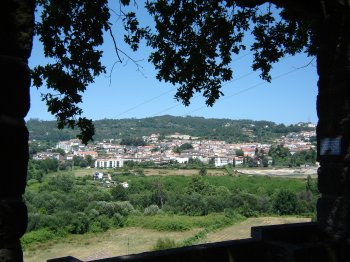
Located on the roadside, it offers a magnificent view of downtown São Pedro do Sul and the mountains surrounding the village.
Poço Azul
- beach
- country
Poço Azul
3660, Santa Cruz da Trapa
Poço Azul is a rocky area with very clean running water, small waterfalls, and a deep lagoon, making it ideal for swimming. It's well-marked and easily accessible.