Explore the best places
Heritage in Portugal


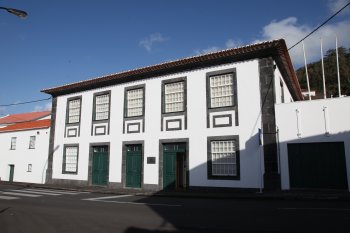
Museu Francisco de Lacerda
- heritage
Rua das Alcaçarias
9850-011, Calheta
Established in 1911, this museum represents the island's culture, showcasing regional ceramics, agricultural implements, basketry, ethnographic pieces related to the cult of the Holy Spirit, and linen works primarily from the 19th and 20th centuries. Also noteworthy is the collection dedicated to Maestro Francisco de Lacerda, a native of São Jorge Island.
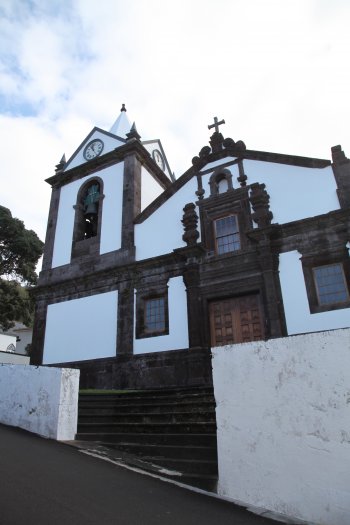
Igreja Matriz de Calheta / Igreja de Santa Catarina
- heritage
Rua 25 de Abril
9850-022, Calheta
The original church, likely founded in the 16th century, was destroyed by fire in 1639. Years later, in the 17th century, a new church was built in a location less exposed to the force of the sea. In 1757, it suffered significant damage from the "Mandado de Deus" earthquake, in 1945 from a major tidal surge, and in 1980, from another earthquake.
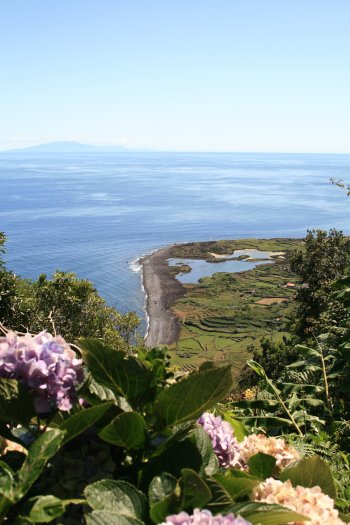
Fajã dos Cubres
- heritage
Fajã dos Cubres
9850-211, Calheta
With a curious name, derived from a plant with small yellow flowers, Fajã dos Cubres, also known as Fajã de Nossa Senhora de Lourdes, is one of the most beautiful and exotic fajãs on the island. The lagoon with the same name is a must-see. It's where fishermen collect shrimp for grouper fishing.
Fajã de São João
- heritage
Fajã de São João
9875-027, Topo
Accessible by car almost to its end, Fajã de São João, the largest fajã on the southern coast of the municipality of Calheta, is a must-see for anyone seeking tranquility in landscapes of rare beauty. It is also known as a summer resort for some of the island's wealthy families. Its steep location is sometimes synonymous with tragedy, and the fajã's population has suffered a number of setbacks, from pirate raids to natural disasters.
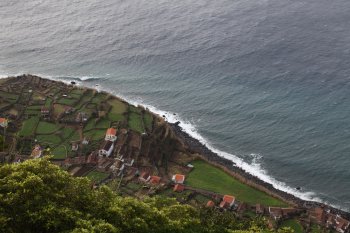
Fajã da Caldeira do Santo Cristo
- heritage
Fajã da Caldeira de Santo Cristo
9850-205, Calheta
Of all the fajãs – fertile places due to the microclimate created by their rugged location – Fajã da Caldeira do Santo Cristo is probably the most famous. This is primarily due to the fact that it is the only place in the Azores where clams can be found. It also includes a lagoon and an underwater cave. Surfers also know it as one of the best places to practice the sport. Access is on foot or by motorcycle, via two nature trails.
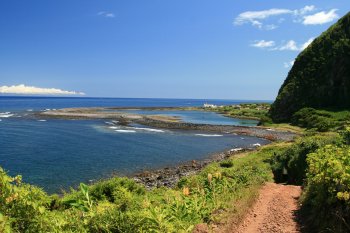
Fajã dos Vimes
- heritage
Fajã dos Vimes
9850-213, Calheta
With jagged cliffs, like most of the fajãs on São Jorge Island, the residents of Fajã dos Vimes have endured numerous misfortunes. The most serious of all occurred during the 1757 earthquake, which completely destroyed the fajã, which was later rebuilt. Tourists and nature lovers will be thrilled to see the fajã's traditional houses and experience this sometimes tragic harmony between man and nature.
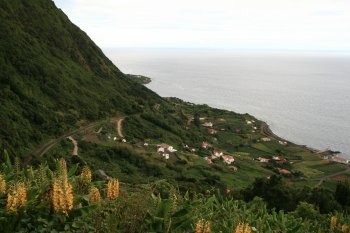
Torre da Urzelina
- heritage
ER1-2
9800, Velas
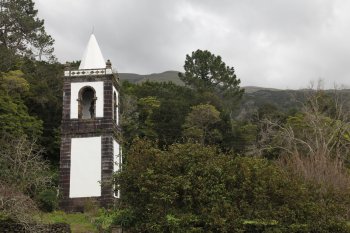
In 1808, a strong volcanic eruption destroyed most of the village of Urzelina, leaving only this church tower.
Museu de Arte Sacra de Velas
- heritage
Rua da Matriz - Igreja Matriz de Velas
9800-527, Velas
This museum displays a vast collection of sacred images and silver objects.
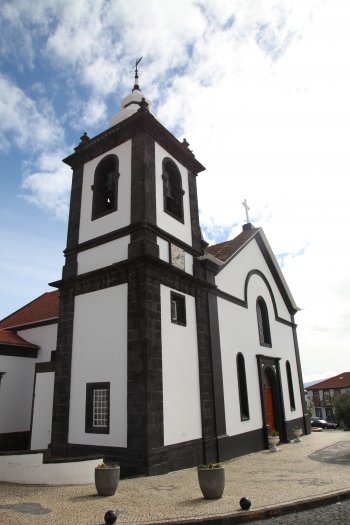
Igreja Matriz de Velas / Igreja de São Jorge
- heritage
Largo Conselheiro Doutor João Pereira
9800-527, Velas
Church built by will of Infante D. Henrique in 1460. Inside, a collection of sacred art from the 17th and 18th centuries stands out.
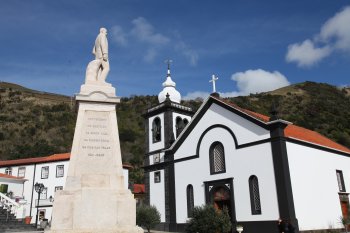
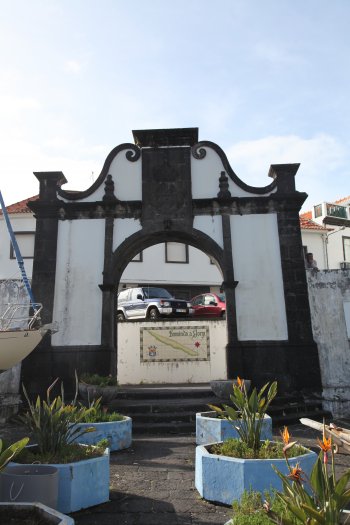
Portão do Mar
- heritage
Rua Conselheiro Doutor José Pereira
9800-536, Velas
This gate is one of the few remains of the old fortress, built in the 18th century to defend the town from pirates. It was built between 1797 and 1799 by Matias de Avelar. The upper part of the gate features the coat of arms with the royal arms of Portugal.