Explore the best places
Heritage in Portugal


Igreja do Salvador de Ganfei
- heritage
Largo do Convento
4930-349, Ganfei
A three-nave church featuring Romanesque columns, arches, and capitals. It underwent significant alterations in the 18th century, with the replacement of the original Romanesque portal and apse.
Convento Beneditino de Ganfei
- heritage
Largo do Convento
4930-355, Ganfei
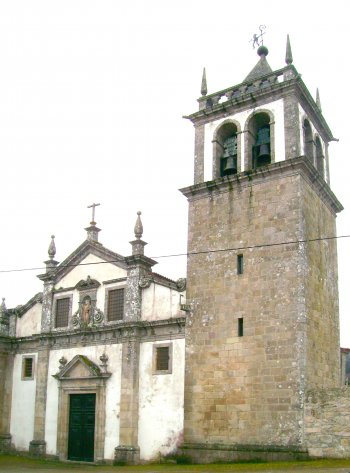
A former Benedictine convent, extensively remodeled in the 18th century, featuring Romanesque elements. It consists of three substantial naves with Romanesque roots. In addition to the cloister, it preserves elements belonging to fountains, water features, and water fountains.
Casa do Eirado
- heritage
Rua Doutor Pedro Augusto Dias
4930-720, Valença
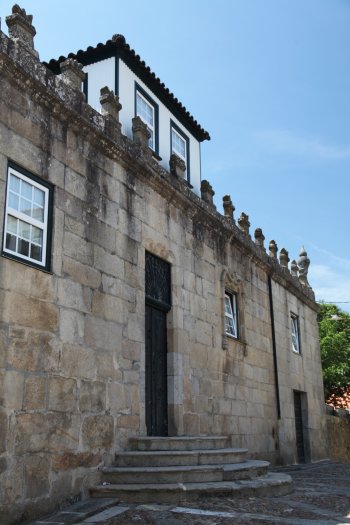
Also known as Casa da Janela, this 15th-century building features a rectangular floor plan with one- or two-story facades of exposed stonework, punctuated by rectilinear openings with Manueline decoration. The left-hand facade has some cracks that, according to locals, are caused by the 1755 earthquake.
Praça Forte de Valença
- heritage
Fortaleza de Valença
4930-619, Valença
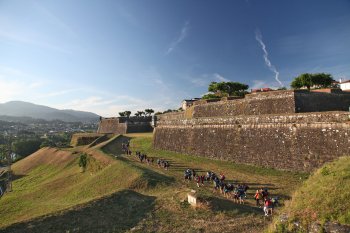
These fortifications date back to the 17th century and were built to withstand the struggles for independence. It was one of the most important strongholds in the country. Currently, four gates and twelve bastions remain, built at different periods. Old artillery pieces can be seen on the terraces. It was remodeled in 1640.
Igreja Românica do Convento de Sanfins
- heritage
EM1048, 110
4930-440, Sanfins
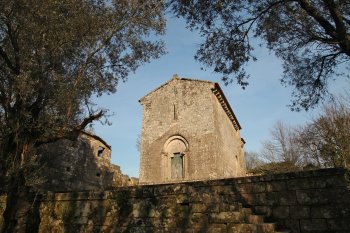
At 200 meters high stands the Romanesque Church of the Convent of Sanfins, with a single nave, part of the former Benedictine convent. The decoration of the capitals, doors, and crevices is noteworthy.
Centro Histórico de Valença
- heritage
Valença
4930, Valença
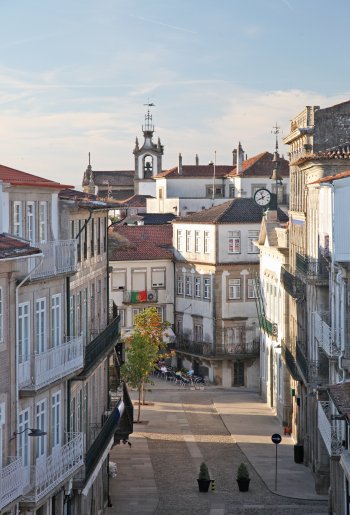
Within Valença's Fortress Square, you can admire its beautiful historic center, from the Old Metal Bridge to the Milestone, passing by numerous religious monuments, such as the Collegiate Church of Saint Stephen, the Church of Mercy, and the Parish Church of Saint Mary of the Angels. Valença began to gain importance during the Middle Ages, when it was a mandatory stop on pilgrimages to Santiago de Compostela. But it was in the military domain that Valença became famous. It was an important defensive stronghold, a bastion of nationality, often besieged by neighboring Spain. The Valença fortress was built in the …
Museu de Póvoa e Meadas
- heritage
Largo do Rossio, 14
7320-011, Póvoas e Meadas
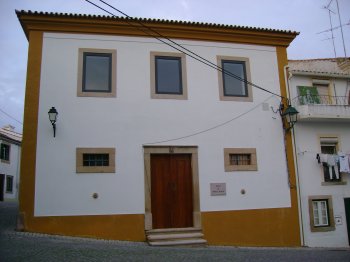
It is housed in an 18th-century manor house and features exhibits depicting local rural life and the parish's productive activities. It also displays archaeological, ethnographic, and local history artifacts.
Núcleo Museológico da Sinagoga de Castelo de Vide
- heritage
Rua da Judiaria
7390-190, Castelo de Vide
Although its exact founding is uncertain, it is known that a Jewish quarter existed in Castelo de Vide in the 14th century. A visit to the Castelo de Vide Synagogue Museum will allow visitors to explore the interior of this place of worship, including the tabernacle, with its recesses for the lamps of the "Holy Oils." To the right of this piece, a tabletop for the sacred scriptures, with seven balls embedded at the base, representing the six days in which God created the world and the seventh day, the final day of rest from his work.
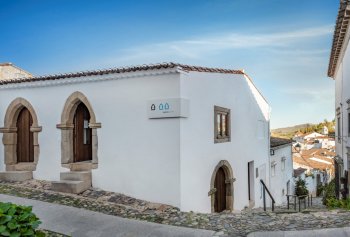
Igreja e Antigo Hospital da Misericórdia / Igreja de Santo Amaro
- heritage
Rua de Santo Amaro
7320-177, Castelo de Vide
Baroque church with a single nave, transept, sacristy, and hospital. The nave is decorated with plasterwork painted in shades of pink, blue, black, and white, imitating marble. The elements feature plant motifs.
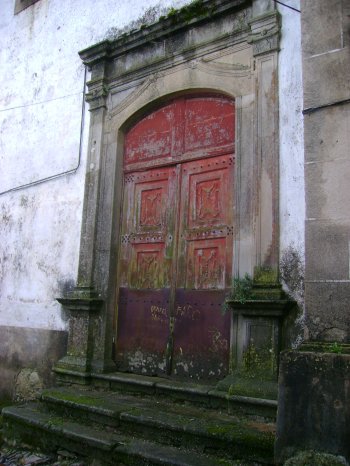
Judiaria de Castelo de Vide
- heritage
Rua da Judiaria
7320-190, Castelo de Vide
It is located in the medieval area of the village of Castelo de Vide, next to the castle, in the former Jewish quarter, as documented in the 14th and 15th centuries. The neighborhood was crossed by one of the castle's main communication routes, and its disintegration began during the reign of King Manuel I, following the decree imposing Catholic obedience on the Jews who, to avoid being forced to leave the village, gradually converted to New Christians. Hebrew symbols can be seen on some doorposts.