Explore the best places
Heritage in Portugal


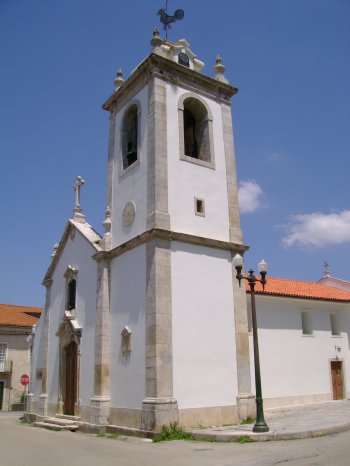
Capela de Nossa Senhora das Neves
- heritage
EM605
3780-412, Avelãs de Cima
Located in Pereiro, it is one of the oldest chapels in the municipality, dating from the late 16th century. Outside, there is a fountain, which, like the chapel, is classified as a Property of Public Interest.
Capela de Nossa Senhora das Lezírias
- heritage
EN334
3780-176, São Lourenço do Bairro
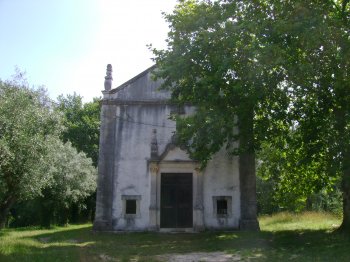
Inside the chapel is the tomb of its founder, Father Antônio Álvares.
Igreja Paroquial de Nossa Senhora da Conceição e Capela de Nossa Senhora da Piedade
- heritage
Rua São João Bosco
3780-453, Mogofores
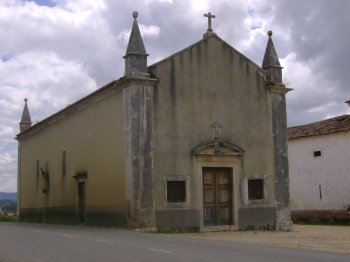
This church was built to serve as the burial place of the nobleman Cristóvão Pinto de Paiva.
Igreja Paroquial de São Paio
- heritage
Largo Doutor Francisco Cancela
3780-291, Anadia
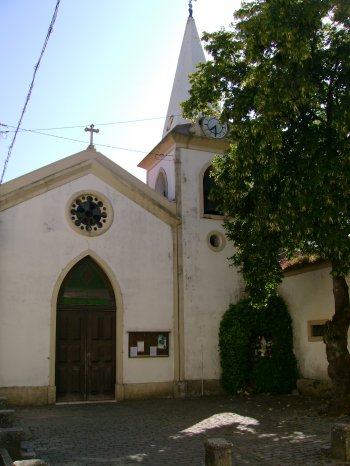
Baroque parish church with a longitudinal plan. In terms of decorative arts, the tile panels in the chancel, dated 1747, stand out, depicting four Eucharistic scenes.
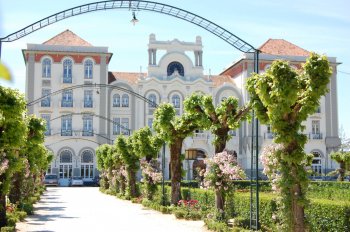
Edifício do Curia Palace Hotel
- heritage
Avenida dos Plátanos
3780-541, Tamengos
The Palace Hotel emerged in the 1920s, designed by the architect Norte Júnior. Inside, one can see an Art Nouveau elevator from the same period.
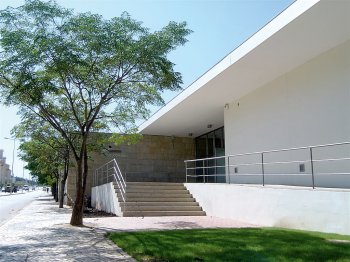
Museu do Vinho Bairrada
- heritage
Avenida Engenheiro Tavares da Silva
3780-203, Anadia
Located next to the original home of Portuguese sparkling wine, where Engineer Tavares da Silva conducted the first studies for the production of sparkling wines in Portugal, the Bairrada Wine Museum, in addition to the permanent exhibition "Wine Routes" and temporary exhibitions of contemporary art created specifically for the space, displays what is considered the world's largest sparkling wine glass (a sculpture 2.60 meters high by Rogério Timóteo and weighing over half a ton). It also exhibits other curiosities such as the largest Portuguese collection of corkscrews (one of the 50 most important in the world, certified by an International …
Palácio da Graciosa
- heritage
Rua da Graciosa
3780-291, Arcos
Built in the last third of the 18th century, this rectangular building has a private chapel attached through an arch. Of particular note is the carved stonework of the windows and doors, as well as the ensemble formed by the staircase and balconies.
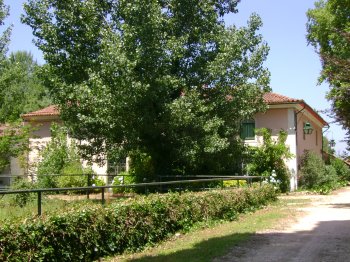
Paço de Óis / Casa de Montalvão
- heritage
Largo do Freixo
3780-502, Óis do Bairro
The predominant architectural style dates from the 18th century, when it was rebuilt following a fire that partially destroyed it. The restoration was based on the oldest part, which was preserved intact.
Museu José Luciano de Castro
- heritage
Rua Doutor Alexandre Seabra, 29
3780-230, Anadia
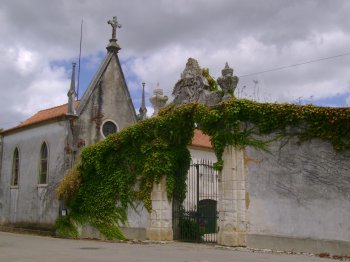
This museum space, under the tutelage of the Santa Casa da Misericórdia of Anadia, is part of the mansion where José Luciano de Castro (1834-1914), leader of the Progressive Party and a notable statesman of the Liberal Monarchy, lived. The exhibition comprises the collection donated during his lifetime and in his will by José Luciano de Castro's family to the Santa Casa da Misericórdia of Anadia, especially family heirlooms and personal items. Of particular note are the altarpiece panels depicting Saint Jerome and Saint Helena.
Castro de Ovil
- heritage
Rua da Fonte da Pedra
4500-529, Paramos
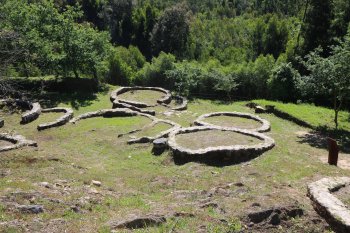
A fortified Iron Age settlement, occupied during the Roman period, surrounded by slopes and moats. It is located on a small hill with good defensive conditions, namely the Ribeira de Paramos stream to the south and southwest, and a deep moat to the north and northeast.