Explore the best places
Heritage in Portugal


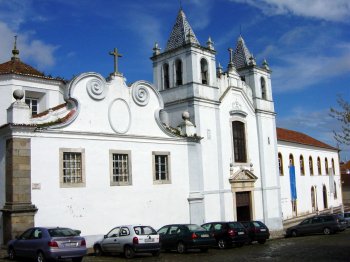
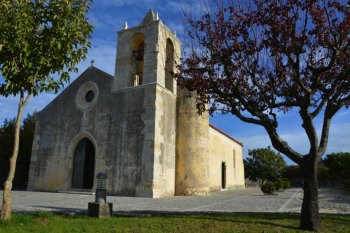
Convento de Nossa Senhora dos Anjos
- heritage
Largo dos Anjos
3140-273, Montemor-o-Velho
Temple belonging to the former convent of the Friars Ermitas de Santo Agostinho. The vault of the main chapel, the windows and the tomb of Diogo Azambuja, testify to the Manueline origins of this church. The façade, of great architectural simplicity, is part of the proto-baroque style.
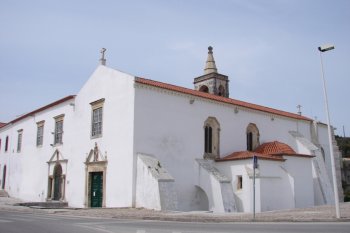
Capela da Misericórdia de Montemor-o-Velho
- heritage
Avenida José de Nápoles
3140-257, Montemor-o-Velho
16th century temple, in popular style, renovated in the 18th century. It features, on the front, a Renaissance bas-relief of Our Lady of Mercy, a work by João de Ruão. It has tiles and a tribune from the 17th century and 16th century stone altarpieces.
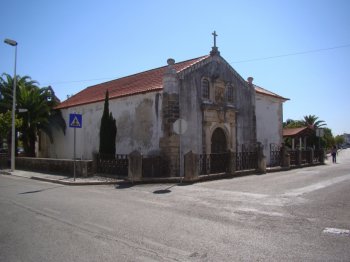
Biblioteca Municipal de Montemor-o-Velho
- heritage
Rua Conselheiro Doutor João de Alarcão
3140-253, Montemor-o-Velho
Library with a vast documentary collection.
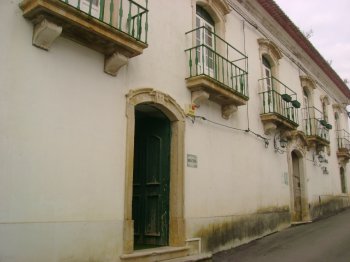
Igreja de Santa Maria de Alcáçova
- heritage
Montemor-o-Velho
3140, Montemor-o-Velho
Building built in the 11th century was restored between 1490 and 1510. It features a Manueline style with a naturalistic character, already influenced by the Renaissance. Inside, with three naves, the three altarpieces stand out, the main one from the 17th century and the secondary ones from the 16th century. Outside, the highlight is the door on the side wall, which has some Moorish influence.
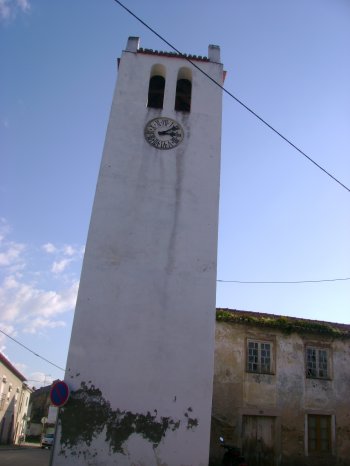
Torre do Relógio de Tentúgal
- heritage
Largo da Olaia
3140-563, Tentúgal
Tower of medieval origin, probably built in the 15th century. On the ground floor, the highlight is a door with a broken arch, with chamfered edges in a triangle.
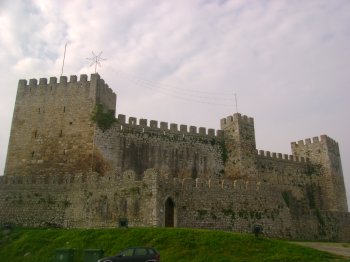
Castelo de Montemor-o-Velho
- heritage
Rua Infante Dom Pedro
3140-262, Montemor-o-Velho
The castle is the largest medieval fortress on the Mondego line and one of the largest in the country. Its current appearance is due to a complete renovation carried out in 1331. At this time, a Palace was built for the princesses, a building that was successively transformed until the Manueline period, the date of the last known renovation. The Keep Tower also dates from this campaign by King Afonso IV, topped by pentagonal battlements, with the upper floor surrounded by boulders and elongated corbels. Inside, the Church of Santa Maria da Alcáçova is preserved, a Gothic temple from the …
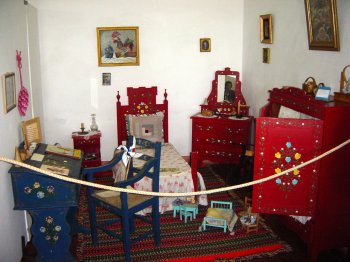
Museu de Etnologia de Montemor-o-Novo
- heritage
Rua do Matadouro - Convento de São Domingos
7050, Montemor-o-Novo
Installed in the Convent of São Domingos, a male Dominican convent from the 16th-17th century, it currently belongs to the group of friends from Montemor-o-Novo. It presents 6000 pieces distributed across 10 rooms that surround the cloisters, where the art gallery is located. Most of the pieces were offered by families from Montemor.
Convento de Nossa Senhora da Saudação
- heritage
Castelo de Montemor-o-Novo
7050-164, Montemor-o-Novo
It is the monument of greater artistic value. The origin of the building dates back to 1500, having been the target of transformations and additions until the 19th century. The cloister is from King João III time. Was cloistered monastery, the religious order of Saint Dominic and later childhood shelter.
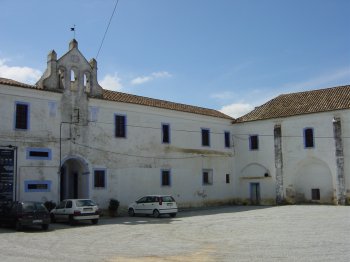
Núcleo Museológico do Convento de São Domingos / Antigo Convento de São Domingos
- heritage
Largo Professor Doutor Banha de Andrade - Apartado 110
7054-909, Montemor-o-Novo
Great Convent from 1550, closed in 1834 with the extinction of religious orders. The church is covered in 17th century tiles, which are rare in Europe. Consisting of 8 side chapels, in one of them Jerónimo da Cunha is buried. This space hosts occasional masses, choral concerts and exhibitions.
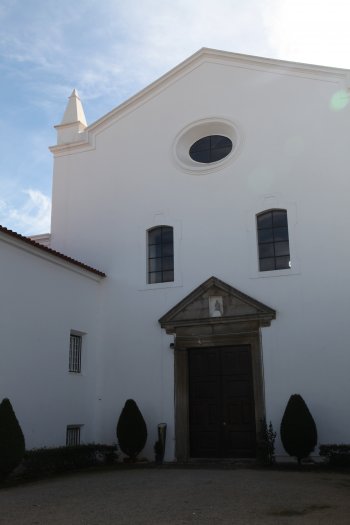
Convento de São João de Deus / Biblioteca Municipal de Montemor-o-Novo
- heritage
Terreiro de São João de Deus, 5
7050-128, Montemor-o-Novo
Built on the remains of the original residence of the patron saint (São João de Deus), whose foundations date back to 1607, it was extinguished in 1834 and underwent several changes that disfigured its original appearance.