Explore the best places
Heritage in Portugal


Museu da Cerâmica
- heritage
Rua Ilídio Amado
2504-910, Caldas da Rainha
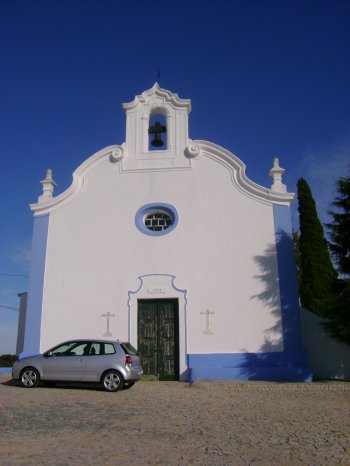
The Ceramics Museum was officially created in 1983 and is housed in the Quinta Visconde de Sacavém estate, acquired for this purpose by the State in 1981 and located in the historic area of Caldas, near the former Bordalo Pinheiro factory. The estate was built in the 1890s by the 2nd Viscount of Sacavém and consists of a small palace in a Romantic Revival style, a secondary building, and a garden area. The gardens, with their romantic design, constitute an interesting ensemble evocative of the taste of the late 19th century, with their avenues, flowerbeds, and lakes, and the ceramic …
Museu José Malhoa
- heritage
Parque D. Carlos I
2500-109, Caldas da Rainha
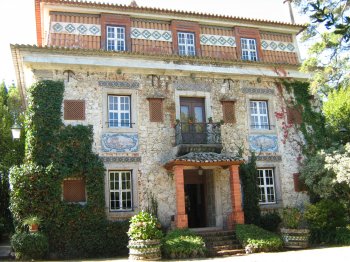
Created in 1933, this was the first museum built from scratch in Portugal, designed by architects Paulino Montês (1897-1962) and Eugénio Corrêa (1897-1985). The José Malhoa Museum displays the largest collection of works by its patron and an important collection of 19th and 20th-century paintings and sculptures. Completing the collections are a section on Caldas da Rainha ceramics – centered around the importance of Rafael Bordalo Pinheiro's work for local faience – and the unique set of 60 terracotta sculptures of the "Passion of Christ" – an open-air sculpture collection, and an art library with over 5,000 items.
Igreja do Espírito Santo
- heritage
Praça Doutor Teófilo Salvado, 10
7040-621, Vimieiro
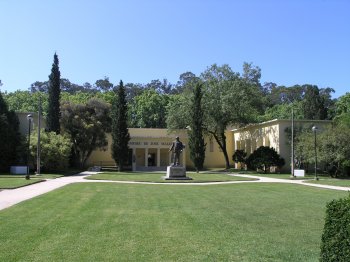
A typical church of the simple regional architecture, consisting of a rectangular floor plan and a homogeneous gable roof. It was built in 1560 and underwent renovations in the 18th century.
Convento de São Francisco
- heritage
Rua dos Combatentes da Grande Guerra, 17
7040-023, Arraiolos
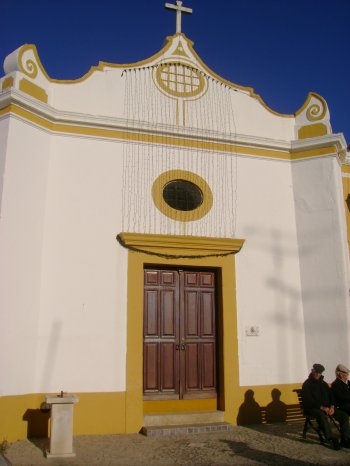
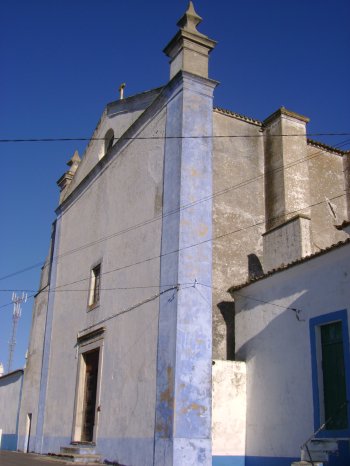
The former convent, renovated after the 1755 earthquake, features a single-nave church dating from the 17th century.
Pelourinho de Arraiolos
- heritage
Praça do Município
7040-027, Arraiolos
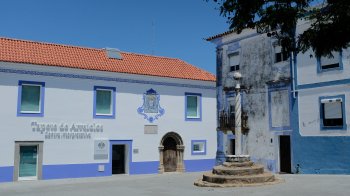
The pillory consists of a prismatic, spiraled marble shaft after the ring. It is topped by a capital from which four iron arms with rings extend.
Igreja da Misericórdia de Arraiolos
- heritage
Largo da Misericórdia
7040-039, Arraiolos
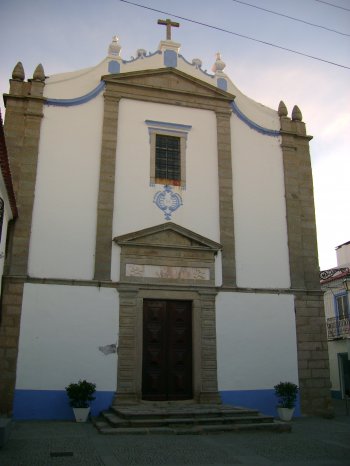
Iglesia de arquitectura manierista y barroca, de planta longitudinal con una sola nave, presbiterio, sacristía y campanario. En su interior, destaca el retablo dorado.
Biblioteca Municipal de Arraiolos
- heritage
Praça da República
7040-026, Arraiolos
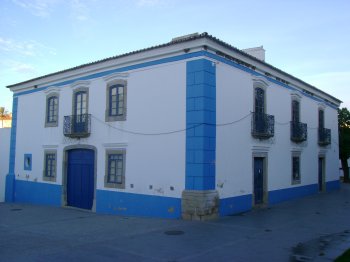
A space with a vast collection of documents and regular programming.
Centro Interpretativo do Mundo Rural
- heritage
Largo Professor Doutor José Caeiro da Matta
7040-620, Vimieiro
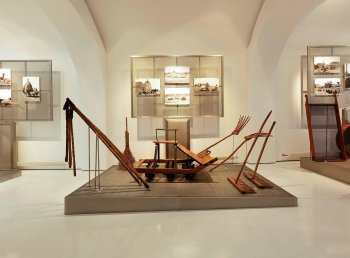
In this space you will find various instruments related to different activities in the rural world, such as olive harvesting, cheese and sausage production, woollen goods, reaping, among others.
Centro Interpretativo do Tapete de Arraiolos
- heritage
Praça do Município, 19
7040-027, Arraiolos
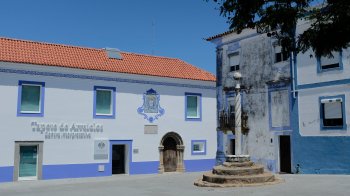
The Arraiolos Carpet Interpretation Center is a museum space with the mission of promoting the study and dissemination of the Arraiolos Carpet, as well as its conservation, appreciation, and recognition as historical, artistic, and ethnographic heritage.
Igreja de São Gregório
- heritage
Rua da Igreja
7040-419, São Gregório
A Baroque church with a typically plain architecture, founded in 1524. It underwent renovations in 1534 and then again at the beginning of the 17th century. Of particular note are the tiles covered with oil paintings that adorn the nave and the baptismal chapel.