Explore the best places
Heritage in Portugal


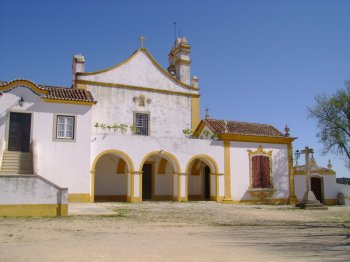
Igreja do Mosteiro da Ribeira
- heritage
Sernancelhe
3640-201, Sernancelhe
Church with main altarpiece, throne and crucified Christ, flanked by Solomonic columns. It features Mannerist and Baroque religious architecture. The church has a single nave and chancel, the decoration is in gilded woodwork.
Convento Nossa Senhora do Carmo
- heritage
Freixinho
3640-120, Freixinho
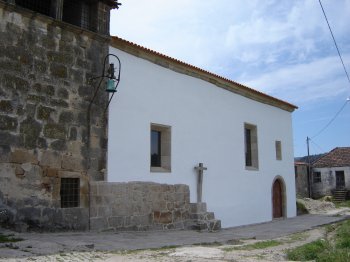
Founded in the 17th century, more precisely in 1663, it still has great historical, architectural and cultural symbolism. It is currently used as a Rural Hotel.
Mosteiro de Nossa Senhora da Assunção de Tabosa
- heritage
Largo do Convento
3640-030, Tabosa do Carregal
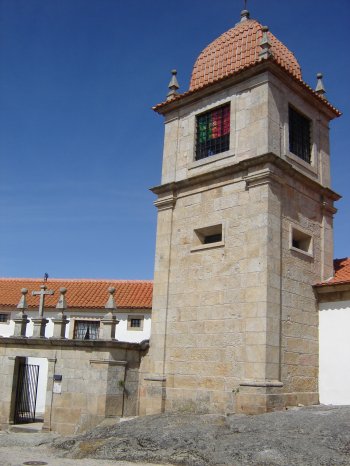
The Monastery of Nossa Senhora da Assunção de Tabosa was the last Cistercian monastery to be founded in Portugal. Integrated into the Douro nucleus of monasteries and convents of the Cistercian Order, in the extreme south of the Varosa valley, and located in the so-called "Lands of Devil", they maintain the spirit of silence and recollection of their foundation.
Igreja de São João Baptista / Igreja Matriz de Sernancelhe
- heritage
Praça da República
3640-247, Sernancelhe
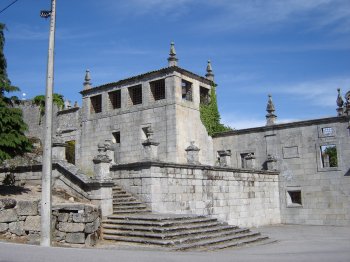
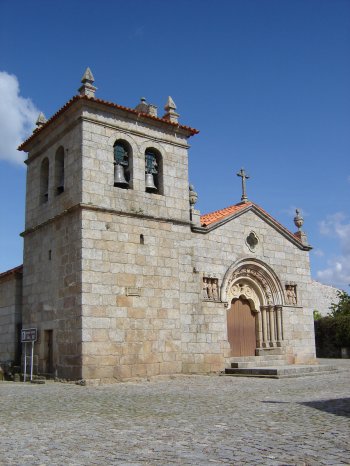
The facade features a Romanesque portal with three archivolts with a full arch, decorated with angels in relief on columns with carved capitals. Two niches, with three images, flank the portal. Inside, 16th century frescoes and gilded altars stand out.
Santuário de Nossa Senhora da Lapa / Museu da Lapa
- heritage
Avenida Padre Francisco Pinto Ferreira
3640-170, Lapa
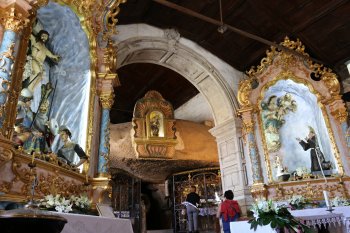
Temple with a single nave, of Jesuit influence, with a classical portico. It is integrated into a sanctuary structure, to which it is connected by a walkway. It features a sacred granite outcrop inside the main chapel.
Castelo Medieval - Porta do Sol
- heritage
Rua do Castelo, 12
3640-231, Sernancelhe
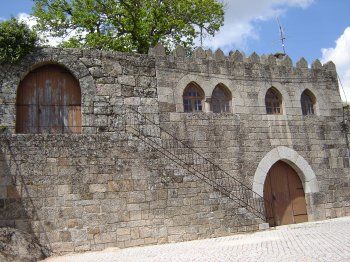
It is at the top of a hill that we find the remains of the walls of Sernancelhe Castle. This rock castle dates back to the 12th/13th centuries, featuring an irregular circular plan. Don't forget to pay attention to the Porta do Sol, with its full arch. Very close by, we find the Cruzeiro do Senhor dos Aflitos.
Casa Grande
- heritage
Avenida Luís de Camões, 5
2230-139, Sardoal
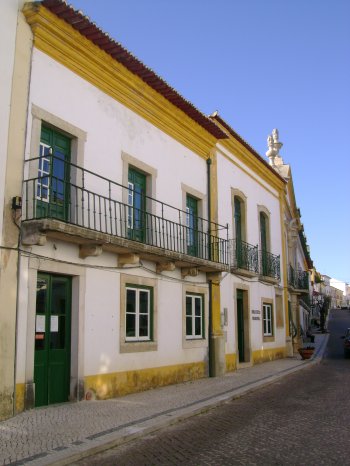
Eighteenth-century urban manor, longitudinal in plan, with a pediment topped by pinnacles topping the main body. The door is surmounted by a long curved balcony. Lateral body with dormers and chapel with arched pediment.
Capela do Espírito Santo
- heritage
Avenida Luís de Camões, 6
2230-222, Sardoal
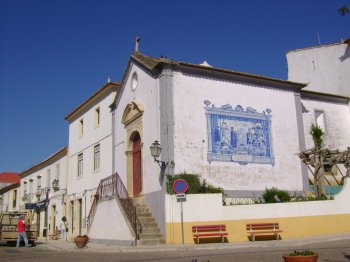
Chapel built in 1603 and renovated in the 30s of the 20th century, when a panel of tiles alluding to Gil Vicente was placed on the side facade.
Igreja Matriz do Sardoal
- heritage
Largo da Igreja
2230-137, Sardoal
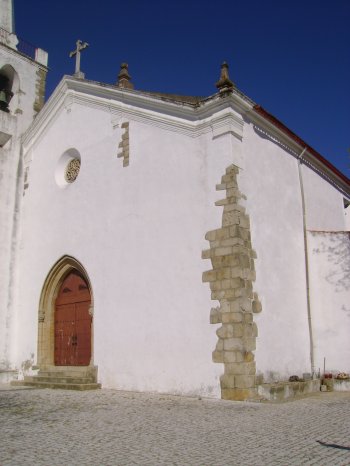
16th century temple with three naves, with a portal with a pointed arch and carved capitals and a rose window with sculptures on the facade. Highlights include the 17th century tiles and the historic panels from the 18th century, the four limestone altars from the 16th century and the seven 16th century tablets by the master of Sardoal.
Convento Nossa Senhora da Caridade
- heritage
Avenida 5 de Outubro
2230-234, Sardoal
Temple of the former Franciscan Convent, with an arched galilee and a facade with a niche flanked by two busts. In the main chapel, the carved altarpiece and the mausoleum of the Archbishop of Baía stand out. Also noteworthy are the altars with a carved reliquary altarpiece with paintings on canvas, several images and chests in the sacristy, several emblazoned tombs inside the church and a faience washbasin in the galilee.