Explore the best places
Heritage in Portugal


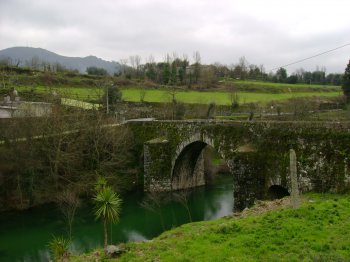
Ponte de Rodas
- heritage
Rua da Ponte de Rodas
4720-243, Caldelas
Bridge with a flat profile deck over three unequal arches with narrow, long voussoirs with an irregular top. It has two buttresses with a triangular cutwater and a rectangular cutwater and outline in granite stonework.
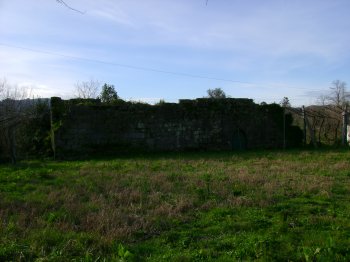
Ruínas da Torre e Honra de Vasconcelos / Casa dos Mouros
- heritage
Rua de Santa Luzia
4720-093, Ferreiros
Set consisting of a tower to which a residential annex was later attached. The tower is a quadrangular building. The ruin also has the ground floor and part of the first floor. The original access door has a perfect round arch. The annex has a wide door that has pointed arches on both sides. It had at least two floors.
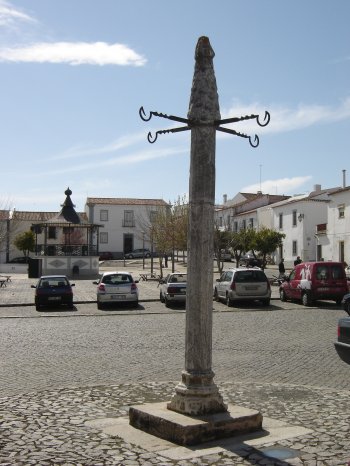
Pelourinho de Alvito
- heritage
Praça da República
7920-028, Alvito
Conical pine pillory with half spheres' decoration. Despite the Manueline style, the shaft has more characteristics and a classic appearance.
Convento e Igreja de Santo António
- heritage
Terreiro de Santo António, 6
7920-020, Alvito
This building was built by Manuel Lopes, first judge of the Confraria de Santo António, and by D. João Lobo, eighth baron of Alvito. Inside it is possible to observe the 17th century tile ceiling, highlighting the flowers and birds. Also, noteworthy is the mural painting on the chancel's barrel vault. This painting depicts an episode from the life of the Patron Saint. It is also worth highlighting the Mannerist pictorial set of oil on wood.
Ponte do Azinhal
- heritage
Vila Nova da Baronia
7920, Vila Nova da Baronia
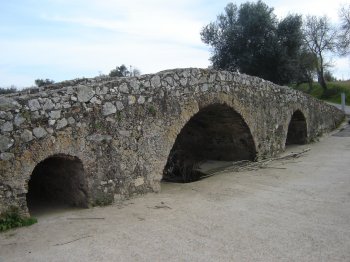
Rampant deck bridge over three round arches. Medieval reconstruction Roman bridge. It is pedestrian only given the characteristics of the narrow deck and inclined ramps. The stream of Vila Nova da Baronia passes below.
Biblioteca Municipal de Vila Nova da Baronia
- heritage
Rua 25 de Abril, 60
7920-392, Vila Nova da Baronia
It is located in the old town hall, a very important building in the municipality's heritage.
Biblioteca Municipal Luís de Camões
- heritage
Rua dos Lobos
7920-053, Alvito
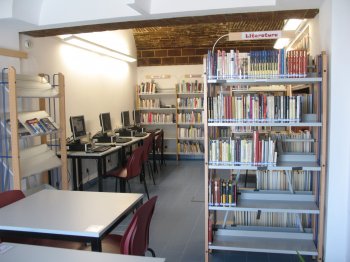
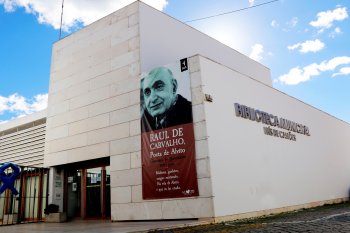
The Library is divided into a multipurpose room where reading meetings, conferences, among other activities are held, an audiovisual sector, an adult area with the possibility of local consultation and home loan, and a children's area with several entertainment spaces.
Ermida de Nossa Senhora da Conceição
- heritage
Rua 5 de Outubro
7920-368, Vila Nova da Baronia
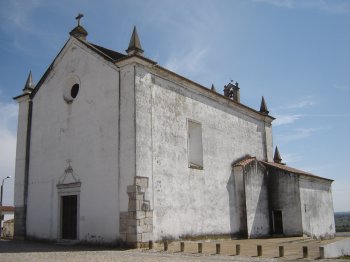
Simple church, founded in 1655 by Dr. Sebastião Lopes Toscano. Temple with a single rectangular nave. The highlight is the tile composition from the 16th century. The altar has the image of Our Lady of Conception, in wood from the 16th century.
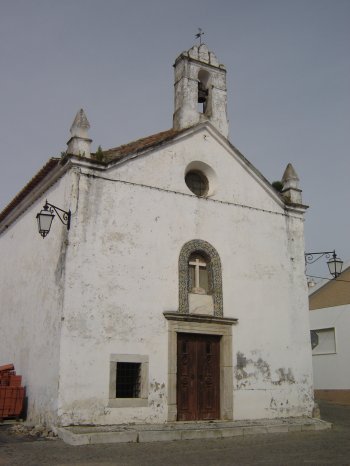
Igreja da Misericórdia e Capela Nossa Senhora das Candeias
- heritage
Rua da Misericórdia, 14
7920-038, Alvito
Building formed by four longitudinal rectangular spaces attached, the Misericórdia church, with annexes, the sacristy and the Brotherhood Room, the chapel of Nossa Senhora das Candeias and the Casa do Despacho.
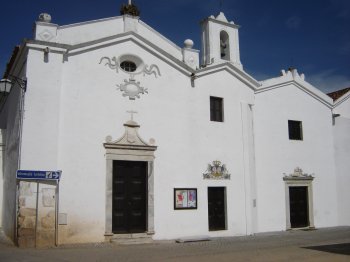
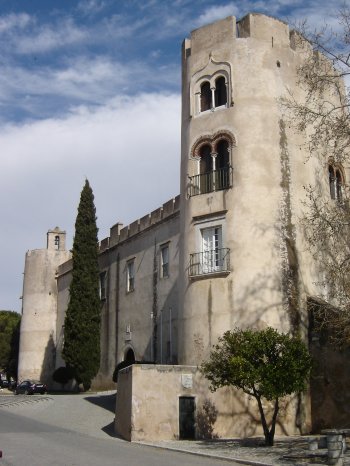
Castelo de Alvito
- heritage
Largo do Castelo
7920-999, Alvito
It is a fortified manor house from the 15th century, rare in Portugal. The dependencies are organized around a central courtyard, with characteristics of military and residential architecture. The keep and some wall sections stand out. At the base, there is a cushioned ashlar from the Roman period. Above the portal of the castle-citadel are the coat of arms of the marquises of Alvito.