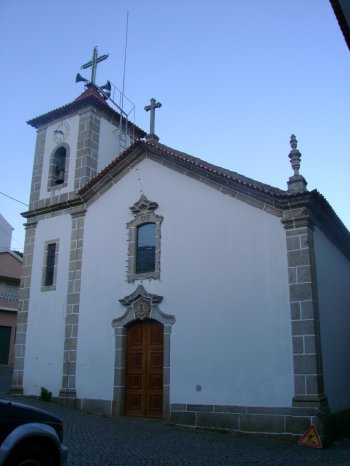
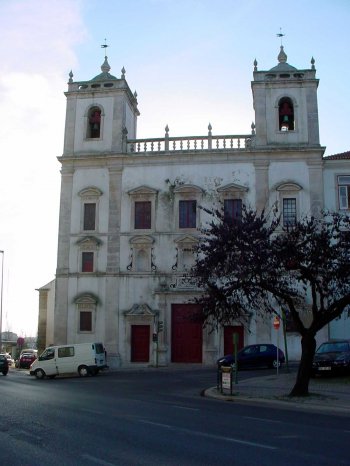
The Church consists of a nave, a chancel lower and narrow and a bell tower with two cloths. The main façade is torn by a downed arc portal and the interior features a nave covered by a fake barrel vault down.
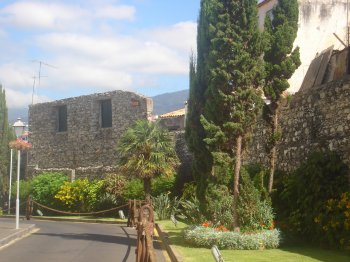
This defensive wall ended by the São Tiago Fortress, with a door giving access to the sea, from which there are still some remains in the access to São tiago beach. With the construction of Campo Dom Carlos I, the walls of this part of town were destroyed and there’s only a section left between São Tiago Fortress and Largo do Corpo Santo.
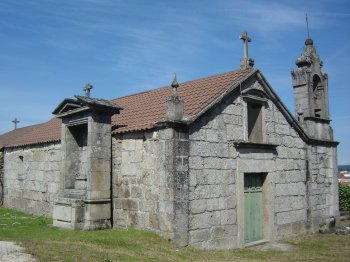
This granit chapel is not open to public visits and is badly preserved. A special note to the main window and to a bell tower located to the right of the façade and accessed from the exterior.
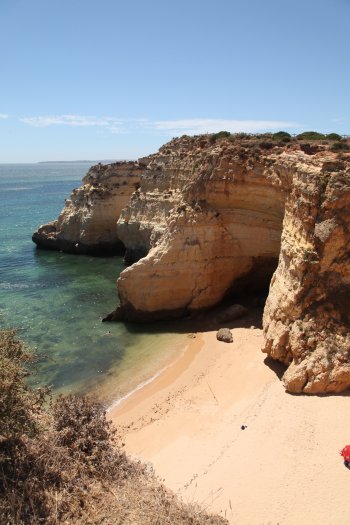
Small beach between the cliffs, that owes its name to a shepherd who lived here. To get here you may take a boat, go down the cliff or, if there is low water, you find an access through the Barranco de Canas beach.
Founded during D. João I Kingdom, it presents one façade from the first half of the 17th century in Jesuitical style. On the main chapel altar it stands out the altarpiece in fifteen hundreds stone with Christ Supper.
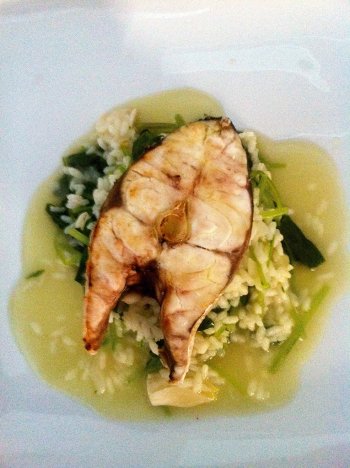
The Litre & restaurant co., installed in space Innovation of Vila Verde owes its name to the oversized wine bottles. In this modern space, the wine gets a special mention, in conjunction with a contemporary kitchen. In this House of the Bairrada region, the fish and seafood are the major stars in the kitchen of chef Gonçalo Soares. The piglet does not enter the letter, where the stews and the fries are the specialties.