Explore the best places
Results for browse now PROBLEMGO.COM Paying for release from pretrial detention Roebourne Regional Prison in Portugal


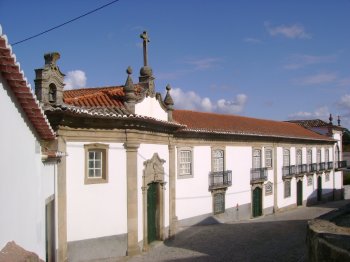
Solar dos Metellos
- heritage
Rua Teófilo Braga, 6
6400-458, Pinhel
This residential building has characteristics from plain architecture. It is composed by two floors and chapel, dated in 1770. During the XVII, XVIII and XIX centuries this residence was slowly increased, as the granites on the main façade can testify. The inside preserves the big rooms with walls covered with paper, some ceilings in wood and an atrium with tiles from the eighteen hundreds.
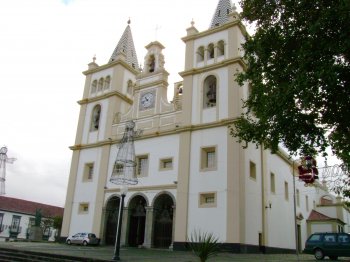
Sé Catedral de Angra do Heroísmo / Sé Catedral do Santíssimo Salvador
- heritage
Rua da Sé
9700-191, Angra do Heroísmo
It is the largest monument in the Azores, built in 1570 by Cardinal Dom Henriqueorders on an old Gothic church from the 15th century. Its interior is of great architectural interest, highlighting the high altar in ambulatory shape, various tiles, paintings and images from the 17th century, a sacristy with rosewood furniture and some religious vestments and oil portraits of diocesan prelates.
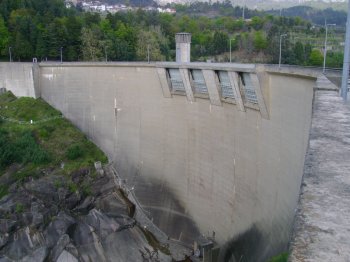
Barragem da Caniçada
- beach
- country
Barragem da Caniçada
4830, Cabo de Além
A dome shaped dam, on the Cávado river, built in 1955 for the production of electricity. The reservoir is one of the loveliest in Portugal, located on the southern borderline of the Gerês National Park. The best panoramic view of the valley and of the reservoir is from the Pedra Bela Belvedere, to the right from the Caldas do Gerês. Sports and leisure are authorized, even though only in certain areas.
A história nos azulejos da Sétima Colina
- heritage
Sétima Colina
1100, Lisboa
Organized by the National Centre of Culture (CNC), this walk allows you to know the history of Lisbon through this decoration art, which is an ancient tradition of our country. From the polychrome of blue and white, from the pattern decorative compositions to the elaborate and figurative assemblage, the glazed tile is an art of simple technical resources, resulting, however, in remarkable aesthetical effects. The purpose of this visit is to recreate the history of this Portuguese traditional art, from the XVI to the XIX centuries, during which you can you can admire the bright interiors and the “reflecting” façades …
Jardim de São Pedro de Alcântara - Jardim António Nobre
- country
- leisure
Rua de São Pedro de Alcântara
1200, Lisboa
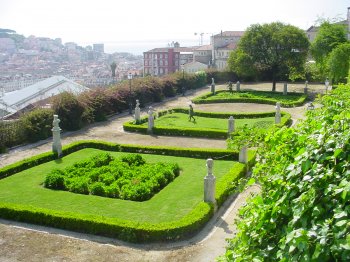
Romantic garden from the XIX century with the walkway built over the remains of the Águas Livres walls. It was later covered with Portuguese stone pavement, got a fountain from the Bemposta palace and, in 1904, a monument to Eduardo Coelho, founder of the newspaper Diário de Notícias. Close to the railing, a glazed tiles panel by Fred Kradolfer (1952) subtitles the landscape observed at the belvedere. It has a grove with dense vegetation, flowerbeds and statuary from the Greek-Roman mythology. At the lower section of the garden are French style busts, inspired on “Os lusíadas” and a sports field.
Museu Municipal de Ferreira do Alentejo
- heritage
Rua do Conselheiro Júlio de Vilhena, 5
7900-599, Ferreira do Alentejo
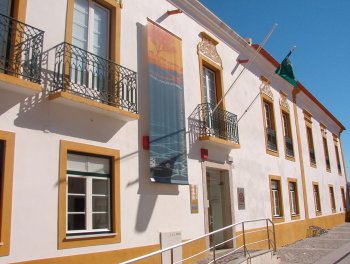
Opened on October 22, 2004, the Municipal Museum of Ferreira do Alentejo is located in the Casa Agrícola Jorge Ribeiro de Sousa, being classified as a Property of Municipal Interest. In pole 1 there is the Municipal Archive and in pole 2 - Misericórdia Church - there is a Sacred Art Collection. From the Archeology Collection, the finds from the Chalcolithic stations of Porto Torrão, the Roman stations of Outeiro da Mina, Monte da Chaminé and Monte da Zambujeira and Tholos de Odivelas stand out. Ethnographic goods include clothing and utensils from ancient professions.
Igreja de São Vicente de Sousa
- heritage
Lugar da Igreja
4650-529, Sousa
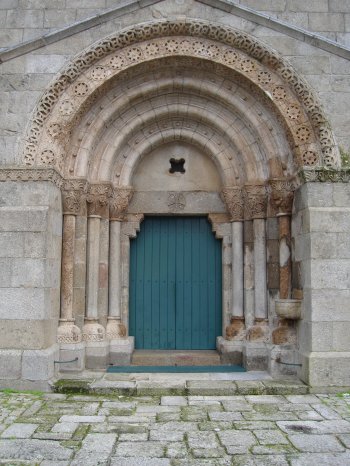
This temple represents a good example of the Romanesque style, with a single nave and a rectangular transept. Inside, it features baroque carvings on the main altar and statuary in the same style. The antiquity of this building is confirmed by two inscriptions on the walls, both from the Romanesque period. The first, from 1214, commemorates the church's dedication and can be found on the outside of the nave's wall, while the second, from 1162 - the construction date of the original transept - is believed to be a funerary inscription or commemorating the construction of an arcosolium (tomb arranged …
Mosteiro de Santa Clara-a-Nova
- heritage
Calçada de Santa Clara
3040-270, Coimbra
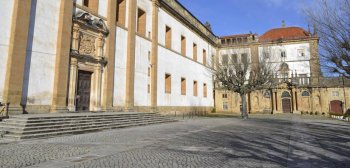
The first stone of this building was laid on July 3, 1649, during the reign of King John IV. The new Monastery was built to house the body of Queen Saint Isabel and the Poor Clare nuns from the original Convent of Santa Clara, which was in an advanced state of disrepair. The church, with a single nave, consists of a choir and a chancel. In the lower choir is the original tomb of Queen Saint Isabel, executed by Master Pero in 1330, a work sculpted from a single block of limestone. On the walls, tiles and altarpieces from the …
Centro Histórico de Pedrógão Grande
- heritage
Pedrógão Grande
3270, Pedrógão Grande
Walking the 1.5 kilometer trail is an excellent way to discover part of the history and architectural heritage of this region. Along this route you can see gardens, architectural sites, churches, museums, the Clock Tower, the library and other details of great beauty.
Aldeia Preservada de Paul
- country
- heritage
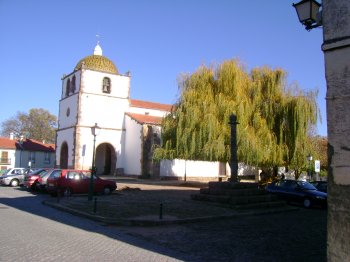
Aldeia Preservada de Paul
6215, Unhais da Serra
A village of the Beira region with mountain features in its houses, narrow streets and customs. An imortant centre for farming and raising cattle that also has commercial trout breeding in the brook. A special note to the mother church with three golden carved altars.